
Fri, Nov 13, 2026
[Archive]
Volume 34, Issue 4 (July & August 2026)
J Adv Med Biomed Res 2026, 34(4): 347-356 |
Back to browse issues page


Download citation:
BibTeX | RIS | EndNote | Medlars | ProCite | Reference Manager | RefWorks
Send citation to:


BibTeX | RIS | EndNote | Medlars | ProCite | Reference Manager | RefWorks
Send citation to:
Zarvandi M, Rajabi A, Esmaeil Mosharrafi F, Seprhrikia S. Efficacy of an Herbal Formulation (Taryaqe Vabaei) in Alleviating Symptoms of Upper Respiratory Tract Infections: A Randomized Double-Blind, Placebo-Controlled Clinical Trial. J Adv Med Biomed Res 2026; 34 (4) :347-356
URL: http://journal.zums.ac.ir/article-1-7730-en.html
URL: http://journal.zums.ac.ir/article-1-7730-en.html


1- Department of Traditional Persian Medicine, Golestan University of Medical Sciences, Gorgan, Iran
2- Department of Bistatistitics and Epidemiology, School of Health, Golestan University of Medical Siences
3- Department of Traditional Persian Medicine, Golestan University of Medical Sciences, Gorgan, Iran.(
4- Neyshabur University of Medical Sciences, Neyshabur, Iran ,Dr.sepehrikia@yahoo.com
2- Department of Bistatistitics and Epidemiology, School of Health, Golestan University of Medical Siences
3- Department of Traditional Persian Medicine, Golestan University of Medical Sciences, Gorgan, Iran.(
4- Neyshabur University of Medical Sciences, Neyshabur, Iran ,
Keywords: Aloe barbadensis, Commiphora myrrh, Crocus sativus, Persian Medicine, Complementary Medicine, Respiratory Tract Infections.medicine
Full-Text [PDF 318 kb]
(111 Downloads)
| Abstract (HTML) (979 Views)
1. Introduction
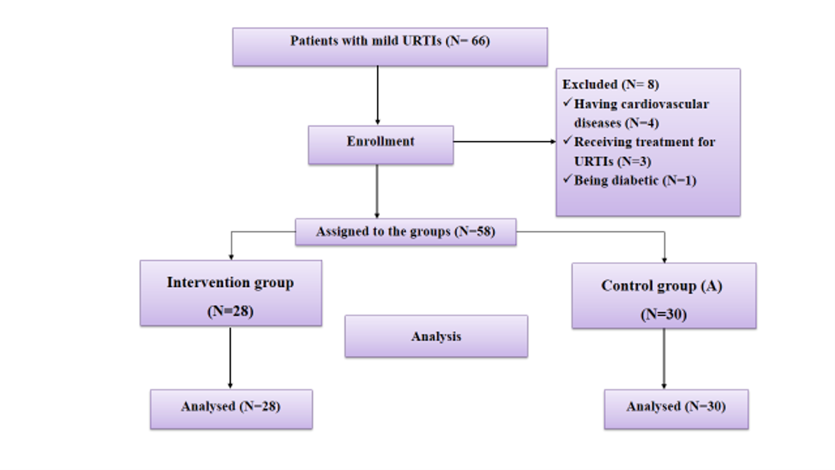
Figure 1. CONSORT flow diagram. (Prepared by Authors, 2026).
Table 1. Demographic and Clinical Characteristics of Participants in the Intervention and Control Groups.
Table 2. Symptom Progression Over 14 Days in the Intervention and Control Groups.
Table 3. Comparison of Mean Recovery Times for Symptoms between the Intervention and Control Groups.
Full-Text: (49 Views)
1. Introduction
Upper respiratory tract infections (URTIs) represent a significant category of infections affecting the nose, throat, sinuses, and airways. These infections are among the most common communicable diseases globally, often resulting in physical illness and increased healthcare costs. URTIs encompass conditions such as the common cold, pharyngitis, sinusitis, and laryngitis, with viral pathogens being the primary causative agents. Rhinoviruses are responsible for the majority of common colds, while influenza viruses and coronaviruses, such as the one responsible for COVID-19, are implicated in more severe respiratory infections (1). Although most URTIs are self-limiting, they can lead to complications, particularly in immunocompromised individuals and those with pre-existing respiratory conditions, making them a public health priority. Globally, URTIs account for millions of outpatient visits annually, placing a significant burden on healthcare systems and leading to substantial economic costs (2). During the COVID-19 pandemic, the role of respiratory viruses in widespread outbreaks became especially evident, highlighting the urgent need for preventive measures and treatments. Symptoms of URTIs, such as sore throat, nasal congestion, cough, and fever, frequently overlap, making it difficult to distinguish between viral types without laboratory testing (3). Given the ease of transmission, particularly in crowded environments, URTIs continue to pose substantial challenges to public health, especially during epidemic events like the recent COVID-19 outbreak. The global burden of these infections underscores the importance of effective management strategies to mitigate both individual and societal impacts (4). Current treatments for upper respiratory tract infections (URTIs) primarily focus on symptom relief, as most viral infections do not have a specific antiviral cure. Common approaches include non-prescription medications such as decongestants, antipyretics, and cough suppressants, which help alleviate discomfort but do not address the underlying viral cause (5). In more severe cases, such as influenza, antiviral medications like oseltamivir can be prescribed to reduce illness duration if administered early (6). However, for the majority of viral URTIs, including the common cold and mild COVID-19, treatment options remain limited. Many patients rely on self-care measures such as hydration, rest, and steam inhalation to manage their symptoms (7). Given the limitations of pharmaceutical interventions, traditional and complementary medicine (T&CM) has gained increasing attention as an adjunctive treatment approach for URTIs. The World Health Organization (WHO) has recognized the importance of integrating traditional medicine into healthcare systems, particularly in regions where access to conventional medicine is limited or where cultural practices favor herbal remedies (WHO, 2013). In this context, herbal medicines and natural remedies have been used for centuries to treat respiratory infections. Plant-based treatments, such as echinacea, elderberry, and ginger, have been studied for their effectiveness in boosting immune function and providing symptomatic relief (8, 9). The growing interest in complementary therapies stems from the need to address not only symptoms but also the body's overall immune response, offering a holistic approach to managing URTIs. Particularly during pandemics like COVID-19, when pharmaceutical options may be limited, the integration of complementary treatments can play a significant role in enhancing patient care (10). Taryaqe Vabaei, a traditional Persian herbal remedy, has been historically valued for its role in combating respiratory infections and epidemics. Its origins trace back to ancient Persian texts, such as Al-Hawi by Razes and Avicenna’s Canon of Medicine, where it was used to strengthen the immune system against widespread illnesses, including plagues and respiratory diseases (11, 12). Comprising Aloe barbadensis, Commiphora myrrh, and Crocus sativus, Taryaqe Vabaei combines these ingredients to offer immune-boosting, anti-inflammatory, and antiviral benefits. Aloe Vera is known for its immune-enhancing and purifying effects, Commiphora myrrh has potent antimicrobial properties, and Crocus sativus supports heart and respiratory health. Together, these ingredients are believed to work synergistically, making Taryaqe Vabaei a valuable addition to traditional Iranian medicine, especially for addressing colds, influenza, and potentially COVID-19 (13-17). While Taryaqe Vabaei has been a trusted remedy in Persian medicine (12, 18), there is limited scientific evidence regarding its effectiveness in managing respiratory infections in a clinical setting. Our study aimed to fill this gap by conducting a randomized clinical trial to evaluate its impact on upper respiratory tract infections (URTIs) such as colds and flu. Researchers hypothesize that participants receiving Taryaqe Vabaei will show a statistically significant reduction in symptom severity compared to those in the placebo group. This trial will use standardized measures, like the Visual Analog Scale (VAS) and the American Thoracic Society symptom questionnaire, to assess outcomes (19-21). This study provides quantitative data on the potential of traditional remedies like Taryaqe Vabaei to complement modern healthcare practices, especially in the context of viral epidemics where pharmaceutical options are limited.
2. Materials and Methods
2.1 Study Design
This study was conducted as a randomized, double-blind, placebo-controlled clinical trial to evaluate the efficacy of Taryaqe Vabaei in reducing the severity of symptoms in patients with upper respiratory tract infections (URTIs). Participants were randomly assigned to intervention and control groups to eliminate selection bias and ensure comparability between the groups. The double-blind design ensured that neither the participants nor the researchers knew the group assignments, thereby minimizing both performance and detection bias. The inclusion of a placebo group provided a robust control, allowing the effects of the herbal intervention to be reliably compared to the placebo. The Iranian Registry of Clinical Trials (IRCT) registration number was IRCT20231025059862N1, and the study was approved by the Ethics Committee under approval number IR.NUMS.REC.1402.019. The sample size was calculated based on a previous study by Kosari et al. (22), assuming 80% statistical power and a 95% confidence level. The minimum required sample size was 30 patients. Considering the possibility of participant dropout, the final target sample size was increased to 33 patients.
2.2 Participants
A total of 66 participants aged between 25 and 60 years were recruited, all of whom presented with mild, outpatient symptoms consistent with URTIs. These symptoms included conditions such as influenza, COVID-19, and the common cold. The inclusion of mild cases aligned with the study’s objective of evaluating the early-stage efficacy of Taryaqe Vabaei in managing URTIs.
2.3 Inclusion and Exclusion Criteria
Participants were required to meet specific inclusion criteria, including the presence of mild respiratory symptoms such as persistent cough with throat irritation, fever, and nasal congestion or breathing difficulty based on the diagnosis of an Infectious disease specialist. Exclusion criteria included the presence of severe comorbidities (e.g., diabetes, cardiovascular disease, or
Participants were required to meet specific inclusion criteria, including the presence of mild respiratory symptoms such as persistent cough with throat irritation, fever, and nasal congestion or breathing difficulty based on the diagnosis of an Infectious disease specialist. Exclusion criteria included the presence of severe comorbidities (e.g., diabetes, cardiovascular disease, or
significant respiratory disorders) that could increase the risk of complications or confound study outcomes. Individuals receiving current treatment for URTIs, such as prescription medications or other herbal supplements, were also excluded. This rigorous selection process aimed to minimize confounding variables and ensure the reliability of the results.
2.4 Recruitment
Participants were recruited from healthcare centers affiliated with Neyshabur University of Medical Sciences. Recruitment was conducted through various channels, including posters displayed in healthcare facilities and announcements on the university’s website. Individuals expressing interest in the study were screened for eligibility using a standardized checklist. Those who met the inclusion criteria were invited to participate after providing written informed consent, ensuring they were fully informed about the study’s aims, procedures, and potential risks.
2.5 Randomization and Blinding
Randomization was performed using a sealed envelope system to ensure unbiased group assignment. Envelopes were numbered by a blinded assessor, and each envelope contained a card indicating assignment to either the intervention group (Group A) or the control group (Group B), based on a computer-generated randomization list. After obtaining informed consent, the next envelope was opened by an independent study coordinator, and the participant was assigned to the corresponding group. Both participants and researchers, including those administering the intervention and assessing outcomes, were blinded to group assignments throughout the study to prevent bias in symptom reporting and outcome assessment. The placebo capsules were identical in appearance, taste, and packaging to the active Taryaqe Vabaei capsules. This blinding process ensured that any differences observed between the two groups could be attributed to the effects of Taryaqe Vabaei rather than to psychological or external factors.
2.6 Intervention
Participants in the intervention group received Taryaqe Vabaei, an herbal formulation containing Aloe barbadensis, Commiphora myrrh, and Crocus sativus. Each participant took two 500 mg capsules daily for 14 days. To prepare the Taryaqe Vabaei capsules, Aloe barbadensis (Sabre Zard), Commiphora myrrh (Marmaki), and Crocus sativus were first obtained from the Tehran medicinal herbs market. After verifying the authenticity of each herb, a PMP (Pharmaceutical Material Profile) code was acquired for each from the Faculty of Pharmacy at Tehran University of Medical Sciences. The codes were assigned as follows: Aloe barbadensis (PMP-2812), Commiphora myrrh (PMP-2813), and Crocus sativus (PMP-1532). After washing, each herb was ground separately and passed through a 40-mesh sieve. The weighed amounts of Aloe barbadensis and Commiphora myrrh were then transferred to a stainless-steel container and thoroughly mixed. Crocus sativus, also sifted to a 40-mesh size, was added to the mixture and thoroughly blended. The combined mixture was then granulated by adding a povidone K30 solution. The granules were dried in a fluid dryer at 55°C, then passed through a 20-mesh sieve and mixed with magnesium stearate for three minutes. Following physical, chemical, and microbial testing, the mixture was encapsulated into size-zero capsules, with each capsule containing 500 mg, composed of 250 mg of Aloe barbadensis, 125 mg of Crocus sativus, and 125 mg of Commiphora myrrh (12). The control group received identical placebo capsules containing inert starch. The use of visually identical capsules ensured blinding and allowed for an accurate assessment of the efficacy of Taryaqe Vabaei in alleviating upper respiratory tract infection (URTI) symptoms. The process of formulating and encapsulating the drug was done with the help of Niak Pharmaceutical Company.
2.7 Outcome Measures
The primary outcome of this trial was the reduction in the severity of cold-like symptoms in participants diagnosed with URTIs. Key symptoms assessed included fatigue, nasal discharge, body aches, cough, and shortness of breath, all of which could significantly affect daily functioning. Symptom severity was evaluated over the 14 days using the Visual Analog Scale (VAS) for fatigue, pain, and nasal discharge, and the American Thoracic Society (ATS) questionnaire for respiratory symptoms such as cough and shortness of breath. These validated tools provided consistent and reliable measurements of symptom changes over time.
2.8 Follow-Up
The follow-up schedule was designed to closely monitor participants' health and adherence to the treatment regimen. A clinical re-examination was conducted two weeks after the initial visit to assess symptom progression and the effectiveness of Taryaqe Vabaei. In addition, daily telephone check-ins were performed to track symptom severity and any potential side effects. This approach ensured continuous data collection, helped identify trends in symptom improvement, and reinforced adherence to the intervention, thereby enhancing the reliability of the study results.
2.9 Statistical Analysis
Data were analyzed using appropriate statistical tests. The Kolmogorov-Smirnov test was used to assess the normality of the data distribution. For normally distributed data, the independent t-test (between groups) and paired t-test (within groups) were applied. For non-normally distributed data, the Mann-Whitney U test (between groups) and the Wilcoxon signed-rank test (within groups) were used. Categorical variables were analyzed using the chi-square test. Statistical analyses were conducted using SPSS version 26.0 (IBM Corp., Armonk, NY, USA), with significance set at p < 0.05.
3. Result
3.1 Demographic Characteristics
As presented in CONSORT diagram (Figure 1), of sixty-six enrolled patients, eight patients were excluded at enrollment and fifty-eight ones assigned to control (N=30) and intervention groups (N=28). The demographic and clinical characteristics of participants in the intervention group (Group A) and control group (Group B) are summarized in Table 1. The mean age of participants in the intervention group was 42.10 years (SD ±10.39), while the control group had a mean age of 45.00 years (SD ±9.22). The overall mean age across both groups was 43.57 years (SD ±9.83), with no statistically significant difference observed (p = 0.27). The gender distribution was similar between the two groups. Males comprised 42.9% of the intervention group and 43.3% of the control group, while females represented 57.1% of the intervention group and 56.7% of the control group, indicating no significant difference (p = 0.971). The history of illness was similar between groups, with 92.9% of the intervention group reporting no history of illness, compared to 76.7% in the control group (p = 0.089). There was also no significant difference in the history of smoking, alcohol, or drug abuse (p = 0.066). A total of 89.3% of the intervention group reported no such history, compared to 100% in the control group. A significant difference was observed in vaccination status (p < 0.001). Only 3.6% of the intervention group reported being unvaccinated, while 50.0% of the control group were unvaccinated. This significant baseline imbalance in vaccination status represents a critical confounding factor that may influence the interpretation of the recovery time results.
2.4 Recruitment
Participants were recruited from healthcare centers affiliated with Neyshabur University of Medical Sciences. Recruitment was conducted through various channels, including posters displayed in healthcare facilities and announcements on the university’s website. Individuals expressing interest in the study were screened for eligibility using a standardized checklist. Those who met the inclusion criteria were invited to participate after providing written informed consent, ensuring they were fully informed about the study’s aims, procedures, and potential risks.
2.5 Randomization and Blinding
Randomization was performed using a sealed envelope system to ensure unbiased group assignment. Envelopes were numbered by a blinded assessor, and each envelope contained a card indicating assignment to either the intervention group (Group A) or the control group (Group B), based on a computer-generated randomization list. After obtaining informed consent, the next envelope was opened by an independent study coordinator, and the participant was assigned to the corresponding group. Both participants and researchers, including those administering the intervention and assessing outcomes, were blinded to group assignments throughout the study to prevent bias in symptom reporting and outcome assessment. The placebo capsules were identical in appearance, taste, and packaging to the active Taryaqe Vabaei capsules. This blinding process ensured that any differences observed between the two groups could be attributed to the effects of Taryaqe Vabaei rather than to psychological or external factors.
2.6 Intervention
Participants in the intervention group received Taryaqe Vabaei, an herbal formulation containing Aloe barbadensis, Commiphora myrrh, and Crocus sativus. Each participant took two 500 mg capsules daily for 14 days. To prepare the Taryaqe Vabaei capsules, Aloe barbadensis (Sabre Zard), Commiphora myrrh (Marmaki), and Crocus sativus were first obtained from the Tehran medicinal herbs market. After verifying the authenticity of each herb, a PMP (Pharmaceutical Material Profile) code was acquired for each from the Faculty of Pharmacy at Tehran University of Medical Sciences. The codes were assigned as follows: Aloe barbadensis (PMP-2812), Commiphora myrrh (PMP-2813), and Crocus sativus (PMP-1532). After washing, each herb was ground separately and passed through a 40-mesh sieve. The weighed amounts of Aloe barbadensis and Commiphora myrrh were then transferred to a stainless-steel container and thoroughly mixed. Crocus sativus, also sifted to a 40-mesh size, was added to the mixture and thoroughly blended. The combined mixture was then granulated by adding a povidone K30 solution. The granules were dried in a fluid dryer at 55°C, then passed through a 20-mesh sieve and mixed with magnesium stearate for three minutes. Following physical, chemical, and microbial testing, the mixture was encapsulated into size-zero capsules, with each capsule containing 500 mg, composed of 250 mg of Aloe barbadensis, 125 mg of Crocus sativus, and 125 mg of Commiphora myrrh (12). The control group received identical placebo capsules containing inert starch. The use of visually identical capsules ensured blinding and allowed for an accurate assessment of the efficacy of Taryaqe Vabaei in alleviating upper respiratory tract infection (URTI) symptoms. The process of formulating and encapsulating the drug was done with the help of Niak Pharmaceutical Company.
2.7 Outcome Measures
The primary outcome of this trial was the reduction in the severity of cold-like symptoms in participants diagnosed with URTIs. Key symptoms assessed included fatigue, nasal discharge, body aches, cough, and shortness of breath, all of which could significantly affect daily functioning. Symptom severity was evaluated over the 14 days using the Visual Analog Scale (VAS) for fatigue, pain, and nasal discharge, and the American Thoracic Society (ATS) questionnaire for respiratory symptoms such as cough and shortness of breath. These validated tools provided consistent and reliable measurements of symptom changes over time.
2.8 Follow-Up
The follow-up schedule was designed to closely monitor participants' health and adherence to the treatment regimen. A clinical re-examination was conducted two weeks after the initial visit to assess symptom progression and the effectiveness of Taryaqe Vabaei. In addition, daily telephone check-ins were performed to track symptom severity and any potential side effects. This approach ensured continuous data collection, helped identify trends in symptom improvement, and reinforced adherence to the intervention, thereby enhancing the reliability of the study results.
2.9 Statistical Analysis
Data were analyzed using appropriate statistical tests. The Kolmogorov-Smirnov test was used to assess the normality of the data distribution. For normally distributed data, the independent t-test (between groups) and paired t-test (within groups) were applied. For non-normally distributed data, the Mann-Whitney U test (between groups) and the Wilcoxon signed-rank test (within groups) were used. Categorical variables were analyzed using the chi-square test. Statistical analyses were conducted using SPSS version 26.0 (IBM Corp., Armonk, NY, USA), with significance set at p < 0.05.
3. Result
3.1 Demographic Characteristics
As presented in CONSORT diagram (Figure 1), of sixty-six enrolled patients, eight patients were excluded at enrollment and fifty-eight ones assigned to control (N=30) and intervention groups (N=28). The demographic and clinical characteristics of participants in the intervention group (Group A) and control group (Group B) are summarized in Table 1. The mean age of participants in the intervention group was 42.10 years (SD ±10.39), while the control group had a mean age of 45.00 years (SD ±9.22). The overall mean age across both groups was 43.57 years (SD ±9.83), with no statistically significant difference observed (p = 0.27). The gender distribution was similar between the two groups. Males comprised 42.9% of the intervention group and 43.3% of the control group, while females represented 57.1% of the intervention group and 56.7% of the control group, indicating no significant difference (p = 0.971). The history of illness was similar between groups, with 92.9% of the intervention group reporting no history of illness, compared to 76.7% in the control group (p = 0.089). There was also no significant difference in the history of smoking, alcohol, or drug abuse (p = 0.066). A total of 89.3% of the intervention group reported no such history, compared to 100% in the control group. A significant difference was observed in vaccination status (p < 0.001). Only 3.6% of the intervention group reported being unvaccinated, while 50.0% of the control group were unvaccinated. This significant baseline imbalance in vaccination status represents a critical confounding factor that may influence the interpretation of the recovery time results.
Figure 1. CONSORT flow diagram. (Prepared by Authors, 2026).
Table 1. Demographic and Clinical Characteristics of Participants in the Intervention and Control Groups.
| Variable | Status | Interventional Group(A) | Control Group(B) | Total | P value |
| Age (Mean±SD) | 42.10±10.39 | 45.00±9.22 | 43.57±9.83 | 0.27 | |
| Sex (N, %) | Male | 12 (42.9%) | 13 (43.3%) | 25 (43.1%) | 0.971 |
| Female | 16 (57.1%) | 17 (56.7%) | 33 (56.9%) | ||
| Education (N, %) | Illiterate | 5 (17.9%) | 3 (10.0%) | 8 (13.8%) | <0.001 |
| Under High school | 16 (57.1%) | 6 (20.0%) | 22 (37.9%) | ||
| Diploma | 7 (25.0%) | 7 (23.3%) | 14 (37.9%) | ||
| College education | 0 (0.0%) | 14 (46.7%) | 14 (24.1%) | ||
| Job (N, %) | Employee | 1 (3.6%) | 10 (33.3%) | 11 (19.0%) | 0.001 |
| Self-employment | 4 (14.3%) | 11 (36.7%) | 15 (25.9%) | ||
| Unemployed | 6 (21.4%) | 2 (6.7%) | 8 (13.8%) | ||
| Housewife | 14 (50.0%) | 7 (23.3%) | 21 (36.2%) | ||
| Other | 3 (10.7%) | 0 (0.0%) | 3 (5.2%) | ||
| Marital status (N, %) | Single | 5 (17.9%) | 8 (26.7%) | 13 (22.4%) | 0.421 |
| Married | 23 (82.1%) | 22 (73.3%) | 45 (77.6%) | ||
| History of illness (N, %) | No | 26 (92.9%) | 23 (76.7%) | 49 (84.5%) | 0.089 |
| Yes | 2 (7.1%) | 7 (23.3%) | 9 (15.5%) | ||
| Smoking | No | 25 (89.3%) | 30 (100.0%) | 55 (94.8%) | 0.066 |
| Yes | 3 (10.7%) | 0 (0.0%) | 3 (5.2%) | ||
| COVID (N, %) | No | 19 (67.9%) | 2 (6.7%) | 21 (36.2%) | <0.001 |
| Yes | 9 (32.1%) | 28 (93.3%) | 37 (63.8%) | ||
| COVID vaccination (N, %) | No | 1 (3.6%) | 15 (50.0%) | 16 (27.6%) | <0.001 |
| Yes | 27 (96.4%) | 15 (50.0%) | 42 (72.4%) | ||
3.2 Symptom Progression Over 14 Days
The progression of several common symptoms was tracked over a 14-day period in both the intervention group and the control group. The primary symptoms monitored included body pain, runny nose, sore throat, cough, nasal congestion, loss of smell, fever, headache, dizziness, and confusion. The statistical significance of differences between the groups was determined using p-values, with a threshold of p < 0.05. The analysis showed statistically significant improvement in symptoms for both groups over the 14-day period. However, certain symptoms such as nausea, vomiting, and diarrhea did not exhibit significant improvement, likely due to the small sample size for these specific symptoms (Table 2).
The progression of several common symptoms was tracked over a 14-day period in both the intervention group and the control group. The primary symptoms monitored included body pain, runny nose, sore throat, cough, nasal congestion, loss of smell, fever, headache, dizziness, and confusion. The statistical significance of differences between the groups was determined using p-values, with a threshold of p < 0.05. The analysis showed statistically significant improvement in symptoms for both groups over the 14-day period. However, certain symptoms such as nausea, vomiting, and diarrhea did not exhibit significant improvement, likely due to the small sample size for these specific symptoms (Table 2).
Table 2. Symptom Progression Over 14 Days in the Intervention and Control Groups.
| Symptom | Groups | Day 1 | Day 2 | Day 3 | Day 5 | Day 7 | Day 9 | Day 11 | Day 13 | Day 14 | P-value |
| Bruised feeling | intervention | 25 | 13 | 7 | 4 | 2 | 2 | 2 | 2 | 2 | <0.001 |
| control | 26 | 25 | 23 | 12 | 4 | 0 | 0 | 0 | 0 | <0.001 | |
| Body pain | Intervention | 25 | 11 | 5 | 3 | 2 | 2 | 2 | 2 | 2 | <0.001 |
| Control | 29 | 29 | 28 | 12 | 4 | 0 | 0 | 0 | 0 | <0.001 | |
| Runny nose | Intervention | 21 | 9 | 5 | 6 | 3 | 3 | 3 | 2 | 2 | <0.001 |
| Control | 30 | 30 | 30 | 20 | 6 | 2 | 0 | 0 | 0 | <0.001 | |
| Sore throat | Intervention | 25 | 12 | 10 | 6 | 2 | 2 | 2 | 2 | 2 | <0.001 |
| Control | 29 | 29 | 26 | 13 | 3 | 1 | 1 | 0 | 0 | <0.001 | |
| Cough | Intervention | 18 | 12 | 8 | 8 | 5 | 4 | 2 | 2 | 2 | <0.001 |
| Control | 30 | 30 | 30 | 22 | 14 | 4 | 0 | 0 | 0 | <0.001 | |
| Nasal congestion | Intervention | 15 | 6 | 7 | 5 | 2 | 2 | 2 | 2 | 2 | <0.001 |
| Control | 12 | 11 | 4 | 2 | 0 | 0 | 0 | 0 | 0 | <0.001 | |
| Loss of smell | Intervention | 10 | 6 | 5 | 2 | 2 | 2 | 2 | 2 | 2 | <0.001 |
| Control | 7 | 2 | 0 | 0 | 0 | 0 | 0 | 0 | 0 | <0.001 | |
| Taste disorder | Intervention | 7 | 5 | 5 | 4 | 2 | 2 | 2 | 2 | 2 | <0.001 |
| Control | 5 | 2 | 1 | 0 | 0 | 0 | 0 | 0 | 0 | <0.001 | |
| Sneeze | Intervention | 17 | 7 | 3 | 4 | 2 | 2 | 2 | 2 | 2 | <0.001 |
| Control | 28 | 26 | 24 | 10 | 1 | 0 | 0 | 0 | 0 | <0.001 | |
| Nausea | Intervention | 6 | 2 | 3 | 4 | 3 | 2 | 2 | 2 | 2 | 0.156 |
| Control | 5 | 5 | 1 | 1 | 0 | 0 | 0 | 0 | 0 | <0.001 | |
| Vomiting | Intervention | 3 | 1 | 1 | 2 | 2 | 2 | 2 | 2 | 2 | 0.77 |
| Control | 3 | 1 | 1 | 0 | 0 | 0 | 0 | 0 | 0 | 0.017 | |
| Abdominal pain | Intervention | 13 | 6 | 3 | 4 | 3 | 2 | 2 | 2 | 2 | <0.001 |
| Control | 7 | 7 | 3 | 0 | 0 | 0 | 0 | 0 | 0 | <0.001 | |
| Diarrhea | Intervention | 2 | 3 | 2 | 5 | 3 | 3 | 2 | 2 | 2 | 0.7 |
| Control | 3 | 3 | 1 | 1 | 0 | 0 | 0 | 0 | 0 | <0.005 | |
| Fever | Intervention | 22 | 12 | 10 | 4 | 4 | 4 | 3 | 3 | 3 | <0.001 |
| Control | 28 | 28 | 23 | 14 | 1 | 0 | 0 | 0 | 0 | <0.001 | |
| Headache | Intervention | 26 | 17 | 9 | 6 | 5 | 4 | 4 | 2 | 2 | <0.001 |
| Control | 26 | 21 | 17 | 7 | 2 | 1 | 0 | 0 | 0 | <0.001 | |
| Dizziness | Intervention | 20 | 9 | 5 | 6 | 4 | 3 | 3 | 2 | 2 | <0.001 |
| Control | 13 | 12 | 5 | 1 | 0 | 0 | 0 | 0 | 0 | <0.001 | |
| Confusion | Intervention | 16 | 8 | 4 | 3 | 2 | 2 | 2 | 2 | 2 | <0.001 |
| Control | 8 | 1 | 0 | 0 | 0 | 0 | 0 | 0 | 0 | <0.001 |
3.3 Comparative Analysis of Symptom Recovery Times
A comparative analysis of mean recovery times for various symptoms between the intervention group and the control group revealed that participants in the intervention group experienced significantly shorter recovery times for several symptoms (Table 3). Specifically, recovery times were notably shorter for body pain (0.85 ± 1.23 days vs. 4.36 ± 1.82 days, p < 0.001) and bruised feelings (1.25 ± 1.64 days vs. 3.90 ± 2.33 days, p < 0.001). Additionally, recovery times for symptoms such as runny nose, sore throat, cough, and sneezing were significantly faster in the intervention group compared to the control group, with all p-values indicating strong statistical significance (p < 0.001).
3.4 Other Symptoms
For other symptoms, including nasal congestion, loss of smell, taste disorder, nausea, vomiting, abdominal pain, diarrhea, fever, headache, and dizziness, results were mixed.
Some symptoms showed no significant differences between the two groups. However, a significant difference was observed for confusion recovery (0.71 ± 1.43 days in the intervention group vs. 0.06 ± 0.36 days in the control group, p = 0.01) (Table 3).
A comparative analysis of mean recovery times for various symptoms between the intervention group and the control group revealed that participants in the intervention group experienced significantly shorter recovery times for several symptoms (Table 3). Specifically, recovery times were notably shorter for body pain (0.85 ± 1.23 days vs. 4.36 ± 1.82 days, p < 0.001) and bruised feelings (1.25 ± 1.64 days vs. 3.90 ± 2.33 days, p < 0.001). Additionally, recovery times for symptoms such as runny nose, sore throat, cough, and sneezing were significantly faster in the intervention group compared to the control group, with all p-values indicating strong statistical significance (p < 0.001).
3.4 Other Symptoms
For other symptoms, including nasal congestion, loss of smell, taste disorder, nausea, vomiting, abdominal pain, diarrhea, fever, headache, and dizziness, results were mixed.
Some symptoms showed no significant differences between the two groups. However, a significant difference was observed for confusion recovery (0.71 ± 1.43 days in the intervention group vs. 0.06 ± 0.36 days in the control group, p = 0.01) (Table 3).
Table 3. Comparison of Mean Recovery Times for Symptoms between the Intervention and Control Groups.
| Recovery time (Day) for … | Interventional group (Mean±SD) | Control group (Mean±SD) | P value |
| Bruised feeling | 1.25±1.64 | 3.90±2.33 | <0.001 |
| Body pain | 0.85±1.23 | 4.36±1.82 | <0.001 |
| Runny nose | 1.21±2.61 | 5.46±1.59 | <0.001 |
| Sore throat | 1.50±2.06 | 4.43±2.16 | <0.001 |
| Cough | 2.03±2.98 | 6.30±1.89 | <0.001 |
| Nasal congestion | 1.00±1.98 | 1.00±1.50 | 0.45 |
| Loss of smell | 0.60±1.37 | 0.13±0.50 | 0.16 |
| Taste disorder | 0.67±1.76 | 0.20±0.80 | 0.31 |
| Sneeze | 0.50±1.17 | 3.63±1.97 | <0.001 |
| Nausea | 0.25±1.32 | 0.43±1.10 | 0.12 |
| Vomiting | 0.00±0.00 | 0.13±0.73 | 0.33 |
| Abdominal pain | 0.57±1.34 | 0.60±1.16 | 0.69 |
| Diarrhea | 0.39±1.39 | 0.30±1.02 | 0.91 |
| Fever | 1.64±2.49 | 4.03±1.80 | <0.001 |
| Headache | 2.35±3.22 | 2.96±2.55 | 0.13 |
| Dizziness | 1.28±2.87 | 1.06±1.46 | 0.37 |
| Confusion | 0.71±1.43 | 0.06±0.36 | 0.01 |
4. Discussion
The findings of this study demonstrate a significant reduction in cold-like symptoms among participants in the intervention group who received Taryaqe Vabaei. Participants reported notable improvements in symptoms such as sore throat, cough, and general malaise, which were markedly less severe than those observed in the control group. This therapeutic effect is particularly striking given the high prevalence of upper respiratory tract infections and the burden they place on healthcare systems globally (13). However, several critical points warrant careful consideration before attributing these effects solely to the herbal intervention.
Our results not only support the anticipated benefits of Taryaqe Vabaei but also contribute quantitative evidence to the growing body of literature on herbal remedies for common ailments. Traditional herbal medicine often emphasizes the holistic management of symptoms, and Taryaqe Vabaei appears to effectively embody this philosophy (23). The significant reduction in symptom severity aligns with previous findings regarding the efficacy of herbal formulations in alleviating respiratory distress (24).
As healthcare providers increasingly seek to integrate complementary approaches into patient care, the findings of this study provide a compelling argument for further research and validation of Taryaqe Vabaei in managing URTIs. Future studies should also consider demographic factors, such as age and pre-existing conditions, which may influence the effectiveness of the remedy, ensuring a comprehensive understanding of its therapeutic efficacy across diverse populations (25).
Numerous studies have documented the efficacy of individual herbal treatments in reducing URTI symptoms, confirming that natural alternatives can be effective in managing these conditions (26, 27). For instance, WCW et al. (2006) found that a chinse herbal medicine significantly alleviated symptoms of sore throat and cough, paralleling the results observed in our intervention group. They provided compelling evidence for the effectiveness of herbal mixtures in improving respiratory health, suggesting that such remedies may offer a viable option for symptom management of uncomplicated upper respiratory tract infection (27). For example, Aloe barbadensis has been widely recognized for its immunomodulatory and anti-inflammatory properties. Studies such as Chutia et al. (2024) demonstrated that Aloe Vera gel significantly reduces throat irritation and coughing in patients with URTIs, findings consistent with the relief reported by participants in our intervention group (28). Similarly, Commiphora myrrh's antimicrobial effects have been documented in studies by Alyafei (2020), which showed its potential in preventing secondary infections during respiratory illnesses (29). These findings align with our observations of reduced symptom severity in the Taryaqe Vabaei group.
Taryaqe Vabaei is composed of key herbal ingredients Aloe barbadensis, Commiphora myrrh, and Crocus sativus —each contributing to its overall therapeutic profile through unique mechanisms of action. Aloe barbadensis, a widely recognized herb in traditional medicine, is celebrated for its immune-boosting properties that enhance the body’s defense mechanisms against viral infections (30). The bioactive compounds found in Aloe barbadensis, such as polysaccharides, have been shown to stimulate the production of immune cells, thereby strengthening the body’s response to pathogens (31). In addition to its immunomodulatory effects, Aloe barbadensis possesses anti-inflammatory properties that help alleviate symptoms associated with respiratory infections, such as sore throat and cough. The soothing gel-like substance of Aloe barbadensis provides relief to irritated mucous membranes, making it a valuable component in formulations aimed at treating URTIs (31). Commiphora myrrh, known for its historical use as a natural remedy, has been scientifically validated for its antimicrobial properties. Research indicates that Commiphora myrrh extracts can inhibit the growth of certain pathogens, thereby providing protection against secondary infections that may occur during respiratory illness (32). This ability to combat infection aligns with the therapeutic goals of Taryaqe Vabaei. Additionally, Crocus sativus, renowned for its vibrant color and culinary uses, has gained attention for its therapeutic potential, particularly in respiratory health. Crocus sativus is rich in bioactive compounds, including crocin and safranal, which exhibit anti-inflammatory and antiviral activities. These properties contributed significantly to the elixir’s effectiveness in alleviating respiratory symptoms, as supported by recent studies demonstrating Crocus sativus’s role in reducing inflammation and promoting overall respiratory wellness (33). Together, these components offer a multi-faceted approach to managing cold-like symptoms, showcasing the potential effectiveness of herbal remedies in modern healthcare. As research continues to clarify the specific mechanisms of action of these herbs, it becomes increasingly important to integrate this knowledge into clinical practice, allowing healthcare providers to offer evidence-based recommendations for herbal treatments alongside conventional options (34).
This study had a substantial baseline imbalance in vaccination status between the two groups. The intervention group had a 96.4% vaccination rate compared to only 50.0% in the placebo group (p < 0.001). Given that vaccination is a well-established determinant of immune response, disease severity, and recovery time from respiratory infections, this difference represents a major confounding factor. Consequently, the observed faster recovery times in the intervention group may partially or significantly reflect this initial disparity rather than the therapeutic effect of Taryaqe Vabaei alone. Furthermore, both groups demonstrated significant symptom improvement over time. While the intervention group recovered faster for specific symptoms, the overall trend of improvement in both groups suggests that natural disease resolution and patient expectations likely contributed to the outcomes.
This study highlights the potential of herbal remedies like Taryaqe Vabaei as complementary treatments for mild to moderate respiratory infections, particularly in response to the growing interest in alternative therapies. Its formulation, which combines traditional herbal knowledge with modern scientific insights, may offer healthcare professionals additional treatment options. However, further studies are needed to confirm the formulation's efficacy, safety, and potential interactions with conventional medications. As awareness of herbal remedies increases, it is crucial for healthcare providers to educate patients on both the benefits and limitations of these treatments, ultimately contributing to more holistic and patient-centered healthcare (9, 25). It is important to acknowledge the limitations of this study, which include a relatively small sample size, a short intervention period, reliance on self-reported symptom measures, and not considering possible side effects and confounding factors. The final limitation of this study involves the statistically significant baseline imbalances observed between the intervention and control groups despite the randomization process. Given that these variables are potential determinants of disease severity, immune response, and recovery time, they represent critical confounding factors. Consequently, the observed outcomes may partially reflect these initial disparities rather than the therapeutic effect of the herbal intervention alone. This imbalance, a result of sample size constraints, necessitates caution in drawing definitive causal inferences. Future research should implement stratified or block randomization and utilize larger cohorts to ensure a more balanced distribution of key characteristics, such as vaccination status and prior infection history on diverse populations. Besides extending observation periods, employing objective outcome measures, and exploring additional herbal combinations or alternative administration methods by considering possible side effects could add value to resurveys.
5. Conclusion
This clinical trial investigated the efficacy of Taryaqe Vabaei, an herbal formulation containing Aloe barbadensis, Commiphora myrrh, and Crocus sativus, in alleviating symptoms of upper respiratory tract infections. The results demonstrated the same and significant effect of the intervention and placebo in reducing symptom severity of URTIs; however, in the case of recovery time of symptoms, the intervention group had a significant effect compared to the placebo group, with a notable 40% decrease in symptoms after one week of the end of intervention. The formulation of Taryaqe Vabaei, as a complementary treatment for respiratory infections, appears to work synergistically by boosting immune function, reducing inflammation, and accelerating recovery.
6. Declarations
6.1 Acknowledgments
The authors would like to thank Neyshabur University of Medical Sciences for supporting this study. Special thanks to Niak Pharmaceutical Company for help in formulating the drug.
6.2 Ethical Considerations
This work was supported by a grant (No. 140101332) from the Vice-Chancellor for Research and Technology, Neyshabur University of Medical Sciences, Iran. This study was designed based on the idea of the research team, and ethical principles were observed throughout all stages of project development and implementation. All investigators reviewed and approved the study protocol, and the names of individuals involved in conceptualizing, designing, and implementing the project were documented. Informed consent forms for human participants were completed in an appropriate language and attached. For the clinical trial, the study was registered in the Iranian Registry of Clinical Trials following scientific and ethical approval. Additionally, no conflicts of interest were identified among the investigators or collaborators; any potential conflicts were disclosed with supporting documentation.
6.3 Authors' Contributions
MZ and SS conceptualization، supervision، writing، investigation. AR and FEM methodology، data analysis.
6.4 Conflict of Interest
The authors declare that they have no conflict of interest.
6.5 Fund or Financial Support
This work was supported by a grant (No. 140101332) from the Vice-Chancellor for Research and Technology, Neyshabur University of Medical Sciences, Iran.
6.6 Using Artificial Intelligence Tools (AI Tools)
No artificial intelligence tools were used in the design, conduct, analysis, or interpretation of this study, nor in the drafting or revision of this manuscript. All content is the original work of the authors.
The findings of this study demonstrate a significant reduction in cold-like symptoms among participants in the intervention group who received Taryaqe Vabaei. Participants reported notable improvements in symptoms such as sore throat, cough, and general malaise, which were markedly less severe than those observed in the control group. This therapeutic effect is particularly striking given the high prevalence of upper respiratory tract infections and the burden they place on healthcare systems globally (13). However, several critical points warrant careful consideration before attributing these effects solely to the herbal intervention.
Our results not only support the anticipated benefits of Taryaqe Vabaei but also contribute quantitative evidence to the growing body of literature on herbal remedies for common ailments. Traditional herbal medicine often emphasizes the holistic management of symptoms, and Taryaqe Vabaei appears to effectively embody this philosophy (23). The significant reduction in symptom severity aligns with previous findings regarding the efficacy of herbal formulations in alleviating respiratory distress (24).
As healthcare providers increasingly seek to integrate complementary approaches into patient care, the findings of this study provide a compelling argument for further research and validation of Taryaqe Vabaei in managing URTIs. Future studies should also consider demographic factors, such as age and pre-existing conditions, which may influence the effectiveness of the remedy, ensuring a comprehensive understanding of its therapeutic efficacy across diverse populations (25).
Numerous studies have documented the efficacy of individual herbal treatments in reducing URTI symptoms, confirming that natural alternatives can be effective in managing these conditions (26, 27). For instance, WCW et al. (2006) found that a chinse herbal medicine significantly alleviated symptoms of sore throat and cough, paralleling the results observed in our intervention group. They provided compelling evidence for the effectiveness of herbal mixtures in improving respiratory health, suggesting that such remedies may offer a viable option for symptom management of uncomplicated upper respiratory tract infection (27). For example, Aloe barbadensis has been widely recognized for its immunomodulatory and anti-inflammatory properties. Studies such as Chutia et al. (2024) demonstrated that Aloe Vera gel significantly reduces throat irritation and coughing in patients with URTIs, findings consistent with the relief reported by participants in our intervention group (28). Similarly, Commiphora myrrh's antimicrobial effects have been documented in studies by Alyafei (2020), which showed its potential in preventing secondary infections during respiratory illnesses (29). These findings align with our observations of reduced symptom severity in the Taryaqe Vabaei group.
Taryaqe Vabaei is composed of key herbal ingredients Aloe barbadensis, Commiphora myrrh, and Crocus sativus —each contributing to its overall therapeutic profile through unique mechanisms of action. Aloe barbadensis, a widely recognized herb in traditional medicine, is celebrated for its immune-boosting properties that enhance the body’s defense mechanisms against viral infections (30). The bioactive compounds found in Aloe barbadensis, such as polysaccharides, have been shown to stimulate the production of immune cells, thereby strengthening the body’s response to pathogens (31). In addition to its immunomodulatory effects, Aloe barbadensis possesses anti-inflammatory properties that help alleviate symptoms associated with respiratory infections, such as sore throat and cough. The soothing gel-like substance of Aloe barbadensis provides relief to irritated mucous membranes, making it a valuable component in formulations aimed at treating URTIs (31). Commiphora myrrh, known for its historical use as a natural remedy, has been scientifically validated for its antimicrobial properties. Research indicates that Commiphora myrrh extracts can inhibit the growth of certain pathogens, thereby providing protection against secondary infections that may occur during respiratory illness (32). This ability to combat infection aligns with the therapeutic goals of Taryaqe Vabaei. Additionally, Crocus sativus, renowned for its vibrant color and culinary uses, has gained attention for its therapeutic potential, particularly in respiratory health. Crocus sativus is rich in bioactive compounds, including crocin and safranal, which exhibit anti-inflammatory and antiviral activities. These properties contributed significantly to the elixir’s effectiveness in alleviating respiratory symptoms, as supported by recent studies demonstrating Crocus sativus’s role in reducing inflammation and promoting overall respiratory wellness (33). Together, these components offer a multi-faceted approach to managing cold-like symptoms, showcasing the potential effectiveness of herbal remedies in modern healthcare. As research continues to clarify the specific mechanisms of action of these herbs, it becomes increasingly important to integrate this knowledge into clinical practice, allowing healthcare providers to offer evidence-based recommendations for herbal treatments alongside conventional options (34).
This study had a substantial baseline imbalance in vaccination status between the two groups. The intervention group had a 96.4% vaccination rate compared to only 50.0% in the placebo group (p < 0.001). Given that vaccination is a well-established determinant of immune response, disease severity, and recovery time from respiratory infections, this difference represents a major confounding factor. Consequently, the observed faster recovery times in the intervention group may partially or significantly reflect this initial disparity rather than the therapeutic effect of Taryaqe Vabaei alone. Furthermore, both groups demonstrated significant symptom improvement over time. While the intervention group recovered faster for specific symptoms, the overall trend of improvement in both groups suggests that natural disease resolution and patient expectations likely contributed to the outcomes.
This study highlights the potential of herbal remedies like Taryaqe Vabaei as complementary treatments for mild to moderate respiratory infections, particularly in response to the growing interest in alternative therapies. Its formulation, which combines traditional herbal knowledge with modern scientific insights, may offer healthcare professionals additional treatment options. However, further studies are needed to confirm the formulation's efficacy, safety, and potential interactions with conventional medications. As awareness of herbal remedies increases, it is crucial for healthcare providers to educate patients on both the benefits and limitations of these treatments, ultimately contributing to more holistic and patient-centered healthcare (9, 25). It is important to acknowledge the limitations of this study, which include a relatively small sample size, a short intervention period, reliance on self-reported symptom measures, and not considering possible side effects and confounding factors. The final limitation of this study involves the statistically significant baseline imbalances observed between the intervention and control groups despite the randomization process. Given that these variables are potential determinants of disease severity, immune response, and recovery time, they represent critical confounding factors. Consequently, the observed outcomes may partially reflect these initial disparities rather than the therapeutic effect of the herbal intervention alone. This imbalance, a result of sample size constraints, necessitates caution in drawing definitive causal inferences. Future research should implement stratified or block randomization and utilize larger cohorts to ensure a more balanced distribution of key characteristics, such as vaccination status and prior infection history on diverse populations. Besides extending observation periods, employing objective outcome measures, and exploring additional herbal combinations or alternative administration methods by considering possible side effects could add value to resurveys.
5. Conclusion
This clinical trial investigated the efficacy of Taryaqe Vabaei, an herbal formulation containing Aloe barbadensis, Commiphora myrrh, and Crocus sativus, in alleviating symptoms of upper respiratory tract infections. The results demonstrated the same and significant effect of the intervention and placebo in reducing symptom severity of URTIs; however, in the case of recovery time of symptoms, the intervention group had a significant effect compared to the placebo group, with a notable 40% decrease in symptoms after one week of the end of intervention. The formulation of Taryaqe Vabaei, as a complementary treatment for respiratory infections, appears to work synergistically by boosting immune function, reducing inflammation, and accelerating recovery.
6. Declarations
6.1 Acknowledgments
The authors would like to thank Neyshabur University of Medical Sciences for supporting this study. Special thanks to Niak Pharmaceutical Company for help in formulating the drug.
6.2 Ethical Considerations
This work was supported by a grant (No. 140101332) from the Vice-Chancellor for Research and Technology, Neyshabur University of Medical Sciences, Iran. This study was designed based on the idea of the research team, and ethical principles were observed throughout all stages of project development and implementation. All investigators reviewed and approved the study protocol, and the names of individuals involved in conceptualizing, designing, and implementing the project were documented. Informed consent forms for human participants were completed in an appropriate language and attached. For the clinical trial, the study was registered in the Iranian Registry of Clinical Trials following scientific and ethical approval. Additionally, no conflicts of interest were identified among the investigators or collaborators; any potential conflicts were disclosed with supporting documentation.
6.3 Authors' Contributions
MZ and SS conceptualization، supervision، writing، investigation. AR and FEM methodology، data analysis.
6.4 Conflict of Interest
The authors declare that they have no conflict of interest.
6.5 Fund or Financial Support
This work was supported by a grant (No. 140101332) from the Vice-Chancellor for Research and Technology, Neyshabur University of Medical Sciences, Iran.
6.6 Using Artificial Intelligence Tools (AI Tools)
No artificial intelligence tools were used in the design, conduct, analysis, or interpretation of this study, nor in the drafting or revision of this manuscript. All content is the original work of the authors.
Type of Study: Clinical Trials |
Subject:
Clinical Medicine
Received: 2026/04/16 | Accepted: 2026/06/22 | Published: 2026/08/4
Received: 2026/04/16 | Accepted: 2026/06/22 | Published: 2026/08/4
References
1. Kiseleva I, Ksenafontov A. COVID-19 shuts doors to flu but keeps them open to rhinoviruses. Biology (Basel). 2021;10(8). [DOI:10.3390/biology10080733] [PMID] [PMCID]
2. Bechini A, Salvati C, Bonito B, Del Riccio M, Stancanelli E, Bruschi M, et al. Costs and healthcare utilisation due to respiratory syncytial virus disease in paediatric patients in Italy: A systematic review. Pub Health. 2024;227:103-11. [DOI:10.1016/j.puhe.2023.11.039] [PMID]
3. Wang DY, Eccles R, Bell J, Chua AH, Salvi S, Schellack N, et al. Management of acute upper respiratory tract infection: the role of early intervention. Expert Rev Respir Med. 2021;15(12):1517-23. [DOI:10.1080/17476348.2021.1988569] [PMID]
4. Momtazmanesh S, Moghaddam SS, Ghamari S-H, Rad EM, Rezaei N, Shobeiri P, et al. Global burden of Clinical Medicine. 2 chronic respiratory diseases and risk factors, 1990-2019: an update from the Global Burden of Disease Study 2019. eClinical Medicine.2023;59: 101936
5. Mobarki AM, Al-Subaie AA, Machajy MYA, Maeid AHA, Fagihi EAA, Tayash AINK, et al. Comprehensive clinical perspectives on upper respiratory tract infections: A multidisciplinary focus on the common cold. Saudi J Med Pub Health. 2024;1(2):665-82. [DOI:10.64483/20251214]
6. Jefferson T, Jones MA, Doshi P, Del Mar CB, Hama R, Thompson MJ, et al. Neuraminidase inhibitors for preventing and treating influenza in adults and children. Cochrane Database Syst Rev. 2014;2014(4):Cd008965. [DOI:10.1590/1516-3180.20141324T2] [PMID] [PMCID]
7. Leung MW, O'Donoghue M, Suen LK-P. Personal and household hygiene measures for preventing upper respiratory tract infections among children: a cross-sectional survey of parental knowledge, attitudes, and practices. Int J Environ Res Public Health. 2022;20(1):229. [DOI:10.3390/ijerph20010229] [PMID] [PMCID]
8. Anheyer D, Cramer H, Lauche R, Saha FJ, Dobos G. Herbal medicine in children with respiratory tract infection: systematic review and meta-analysis. Acad Pediatr. 2018;18(1):8-19. [DOI:10.1016/j.acap.2017.06.006] [PMID]
9. Pranskuniene Z, Balciunaite R, Simaitiene Z, Bernatoniene J. Herbal medicine uses for respiratory system disorders and possible trends in new herbal medicinal recipes during COVID-19 in pasvalys district, Lithuania. Int J Environ Res Public Health. 2022;19(15). [DOI:10.3390/ijerph19158905] [PMID] [PMCID]
10. Pergolizzi JV, LeQuang JA, Magnusson P, Varrassi G. Traditional, complementary and integrative medicine approaches to COVID-19: a narrative review. OBM Integr Complement Med. 2021;6(3):1-19. [DOI:10.21926/obm.icm.2103021]
11. Aghdam HA, Khosravi R. Herbal analgesics in pediatric surgery: from traditional evidence to scientific validation. Plant Biotechnol Persa. 2025;7(4). [DOI:10.61882/pbp.7.4.1]
12. Zarvandi M, Sepehrikia S. Is there evidence for the use of an herbal" Taryaqe Vabaii" for conditions similar to COVID-19? J Curr Oncol Med Sci. 2022;2(4):353-65.
13. Boussarsar M, Ennouri E, Habbachi N, Bouguezzi N, Meddeb K, Gallas S, et al. Epidemiology and burden of Severe Acute Respiratory Infections (SARI) in the aftermath of COVID-19 pandemic: A prospective sentinel surveillance study in a Tunisian Medical ICU, 2022/2023. PLoS One. 2023;18(12):e0294960. [DOI:10.1371/journal.pone.0294960] [PMID] [PMCID]
14. Kianmehr M, Mahdizadeh F, Khazdair MR. The effects of Crocus sativus L. (Saffron) and its ingredients on dietary intakes in cardiovascular disease in Iranian population: A systematic review and meta-analysis. Front Nutr. 2022;9:890532. [DOI:10.3389/fnut.2022.890532] [PMID] [PMCID]
15. Anwar N, Ahmed NZ, Fathima AF, Khan AA. Analytical review of Tiryāq-i-Wabāī-A Unani panacea for the control of COVID-19. J Herb Med. 2023;39:100653. [DOI:10.1016/j.hermed.2023.100653] [PMID] [PMCID]
16. Aleem M, Khan MI, Danish M, Usmani QI, Ahmad A. Unani perspective on COVID-19 and the possible role of Tiryaq Wabai in its management: A Review. J Drug Deliv Ther. 2021;11(5). [DOI:10.22270/jddt.v11i5.5001]
17. Banu Z, Saidaiah P, Khan U, Geetha A, Khan S, Khan AA. Leveraging nature's pharmacy: A comprehensive review of traditional medicinal and aromatic plants against COVID-19. Ann Phytomed. 2024;13(1):37-55. [DOI:10.54085/ap.2024.13.1.4]
18. Ansari MY. Pharmacognostical studies on Gumma (Leucas cephalotes Spreng.). Rajiv Gandhi University of Health Sciences (India); 2011.
19. Huang Z, Pan X, Zhou J, Leung WT, Li C, Wang L. Chinese herbal medicine for acute upper respiratory tract infections and reproductive safety: A systematic review. Biosci Trends. 2019;13(2):117-29. [DOI:10.5582/bst.2018.01298] [PMID]
20. John LJ, Shantakumari N. Herbal medicines use during pregnancy: A review from the Middle East. Oman Med J. 2015;30(4):229-36. [DOI:10.5001/omj.2015.48] [PMID] [PMCID]
21. Itrat M, Nasir F, Akhtar Y, Ahmad I. Pharmacological treatment of upper respiratory tract infections in Unani medicine: An evidence-based review. Altern Ther Health Med. 2023;29(7):252-61.
22. Kosari M, Noureddini M, Khamechi SP, Najafi A, Ghaderi A, Sehat M, et al. The effect of propolis plus Hyoscyamus niger L. methanolic extract on clinical symptoms in patients with acute respiratory syndrome suspected to COVID‐19: A clinical trial. Phytother Res. 2021;35(7):4000-6. [DOI:10.1002/ptr.7116] [PMID] [PMCID]
23. Garcia S. Pandemics and traditional plant-based remedies. A historical-botanical review in the Era of COVID19. Front Plant Sci. 2020;11:571042. [DOI:10.3389/fpls.2020.571042] [PMID] [PMCID]
24. Husaini AM, Jan KN, Wani GA. Saffron: A potential drug-supplement for severe acute respiratory syndrome coronavirus (COVID) management. Heliyon. 2021;7(5):e07068. [DOI:10.1016/j.heliyon.2021.e07068] [PMID]
25. Hajimonfarednejad M, Ostovar M, Hasheminasab FS, Shariati MA, Thiruvengadam M, Raee MJ, et al. Medicinal plants for viral respiratory diseases: A systematic review on persian medicine. Evid Based Complement Alternat Med. 2023;2023:1928310. [DOI:10.1155/2023/1928310] [PMID] [PMCID]
26. Mammari N, Albert Q, Devocelle M, Kenda M, Kočevar Glavač N, Sollner Dolenc M, et al. Natural products for the prevention and treatment of common cold and viral respiratory infections. Pharmaceuticals (Basel). 2023;16(5). [DOI:10.3390/ph16050662] [PMID] [PMCID]
27. Wcw W, A L, At L, Kt L, Cym L, Pc L, et al. Effectiveness of a Chinese herbal medicine preparation in the treatment of cough in uncomplicated upper respiratory tract infection: a randomised double-blinded placebo-control trial. Cough. 2006;2(1):5. [DOI:10.1186/1745-9974-2-5] [PMID] [PMCID]
28. Chutia A, Saikia P, Hasan M, Das A, Siyum A. Antioxidant and anti-inflammatory potential of Aloe vera: A comprehensive review. Int J Sci Res Eng Manage. 2024;08:1-15. [DOI:10.55041/IJSREM37075]
29. Alyafei N. Can myrrh combat COVID-19? Iberoam J Med. 2020;2(3):223-9. [DOI:10.53986/ibjm.2020.0039]
30. Sánchez M, González-Burgos E, Iglesias I, Gómez-Serranillos MP. Pharmacological update properties of Aloe Vera and its major active constituents. Molecules. 2020;25(6). [DOI:10.3390/molecules25061324] [PMID] [PMCID]
31. Heng HC, Zulfakar MH, Ng PY. Pharmaceutical applications of Aloe vera. Indo J Pharm. 2018;29(3). [DOI:10.14499/indonesianjpharm29iss3pp101]
32. Bhattacharjee MK, Alenezi T. Antibiotic in myrrh from Commiphora molmol preferentially kills nongrowing bacteria. Future Sci OA. 2020;6(4):Fso458. [DOI:10.2144/fsoa-2019-0121] [PMID] [PMCID]
33. Mentis AA, Dalamaga M, Lu C, Polissiou MG. Saffron for "toning down" COVID-19-related cytokine storm: Hype or hope? A mini-review of current evidence. Metabol Open. 2021;11:100111. [DOI:10.1016/j.metop.2021.100111] [PMID] [PMCID]
34. Fong HH. Integration of herbal medicine into modern medical practices: issues and prospects. Integr Cancer Ther. 2002;1(3):287-93 [DOI:10.1177/153473540200100313] [PMID]
Send email to the article author
| Rights and permissions | |
 |
This work is licensed under a Creative Commons Attribution-NonCommercial 4.0 International License. |
Copyright Policy
Journal of Advances in Medical and Biomedical Research by Zanjan University of Medical Sciences is licensed under CC BY-NC 4.0