
Thu, Nov 12, 2026
[Archive]
Volume 34, Issue 4 (July & August 2026)
J Adv Med Biomed Res 2026, 34(4): 366-373 |
Back to browse issues page


Download citation:
BibTeX | RIS | EndNote | Medlars | ProCite | Reference Manager | RefWorks
Send citation to:


BibTeX | RIS | EndNote | Medlars | ProCite | Reference Manager | RefWorks
Send citation to:
Sadri M, Kazemzadeh H, Tayyebiazar A. A Novel Technique of Bladder Neck Reconstruction During Open Suprapubic Prostatectomy in Patients with Benign Prostatic Hyperplasia. J Adv Med Biomed Res 2026; 34 (4) :366-373
URL: http://journal.zums.ac.ir/article-1-7885-en.html
URL: http://journal.zums.ac.ir/article-1-7885-en.html


1- Department of Urology, School of Medicine, Urmia University of Medical Sciences, Urmia, Iran , drsadrihkc@gmail.com
2- Department of Urology, School of Medicine, Urmia University of Medical Sciences, Urmia, Iran
2- Department of Urology, School of Medicine, Urmia University of Medical Sciences, Urmia, Iran
Full-Text [PDF 371 kb]
(81 Downloads)
| Abstract (HTML) (777 Views)
1. Introduction
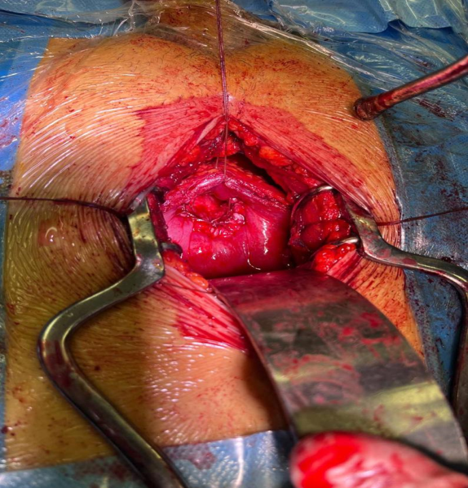
Figure 1. Standard Open Prostatectom. (Prepared by Authors, 2026).
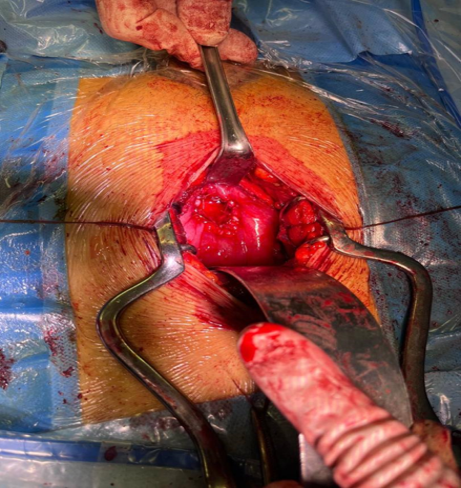
Figure 2. Modified Open Prostatectomy with extra sutures. (Prepared by Authors, 2026).
Table 1. Demographic and clinical parameters of studied patients of two groups.
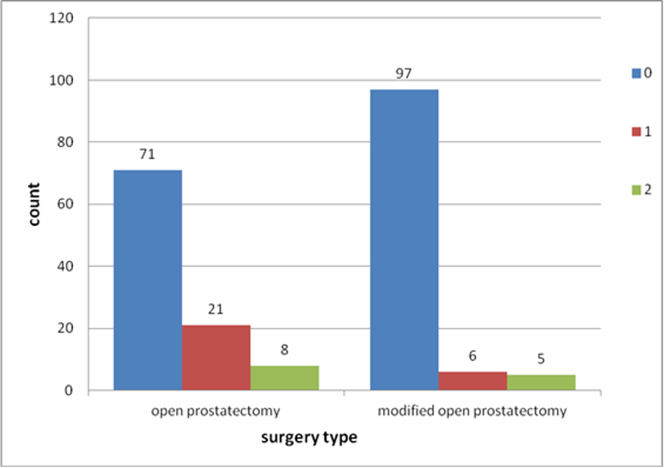
Figure 3. Frequency distribution of the number of packed cell volume received by the studied patients, according to type of surgery. (Prepared by Authors, 2026).
Table 2. Hemoglobin changes among study patients before and after surgery.
Full-Text: (44 Views)
1. Introduction
Benign Prostatic Hyperplasia is a non-malignant enlargement of the prostate gland, commonly encountered in aging men (1). The prevalence of BPH increases significantly with advancing age, with autopsy studies revealing its presence in 50-60% of men aged 60 years and 80-90% of men aged over 70 years (2). BPH is a significant contributor to the development of Lower Urinary Tract Symptoms (LUTS) in older men, encompassing a spectrum of urinary disturbances, including urgency, nocturia, urinary frequency, dysuria, incomplete bladder emptying, hesitancy, weak urinary stream, and intermittent urine flow (3). Moreover, erectile dysfunction is a common comorbidity in men with BPH (4). Benign Prostatic Obstruction (BPO) refers to the obstruction of urinary flow due to benign enlargement of the prostate gland. This condition is diagnosed when the primary cause of bladder outlet obstruction is determined to be BPH-related enlargement of the prostate (5). Over the past quarter-century, numerous minimally invasive therapies for LUTS associated with BPH have emerged, employing diverse mechanisms of action and exhibiting varying degrees of efficacy and safety (6). However, most these interventions have not proven to be sustainable in clinical practice (7). Surgical intervention remains necessary for the management of BPH in select cases (8). While various minimally invasive modalities are currently available, Transurethral Resection of the Prostate (TURP) continues to be considered the gold standard surgical treatment for BPH (9). Before the widespread adoption of TURP, open prostatectomy was the primary surgical approach for BPH for several decades (10). A significant complication of open prostatectomy is intraoperative and postoperative bleeding, necessitating blood transfusions in approximately 20.8% of cases to address anemia and hemodynamic instability (11). Surgical practice regarding the management of intraoperative bleeding during open prostatectomy remains subject to debate. While some surgeons consider bladder neck repair unnecessary and believe that minor bleeding can be adequately managed without sutures (12), others advocate for the routine use of the Malament suture technique to completely close the bladder neck around a Foley catheter to effectively control bleeding (13). To minimize intraoperative blood loss, standard surgical practice involves ligation of the main prostatic arteries at the 5 and 7 o'clock positions, along with the control of venous bleeding through irrigation and catheter traction (14). The extent of intraoperative and postoperative bleeding can vary significantly among patients, influenced by factors such as individual variations in prostatic vascular anatomy, the specific technique employed for prostatic enucleation, and the method of bladder neck suture (15). Clinical experience suggests that severe postoperative bleeding requiring re-exploration often originates from vessels located closer to the 6 o'clock position of the prostate (16). Based on this observation, this study investigates the clinical outcomes of a modified surgical approach incorporating additional sutures during bladder neck repair to potentially reduce postoperative bleeding. Also, this study aims to compare the surgical outcomes, with a particular focus on the volume of blood loss and the need for blood transfusions, between the two groups: patients who underwent conventional open prostatectomy and those who underwent the modified surgical technique.
2. Materials and Methods
This retrospective cross-sectional study analyzed the medical records of patients with benign prostatic hyperplasia who underwent open prostatectomy at Imam Khomeini Hospital, Urmia, Iran, between 2018 and 2022. The study protocol was approved by the Ethics Committee of Urmia University of Medical Sciences (code: IR.UMSU.HIMAM.REC.1402.014) and adhered to the ethical principles outlined in the Declaration of Helsinki. The patients over 18 years old were divided into two groups:
Conventional Open Prostatectomy Group: Patients who underwent standard open prostatectomy.
Modified Open Prostatectomy Group: Patients who underwent open prostatectomy with an additional suture technique for bladder neck reconstruction.
The records of patients who underwent open prostatectomy during the aforementioned period were extracted. Demographic indicators, BMI, hemoglobin before surgery, hemoglobin the day after surgery, last hemoglobin before discharge, amount of blood received, length of hospitalization, and total prostate‑specific antigen (PSA), Mean prostate volume (cc), packed cell volume, and Underlying disease were recorded and compared in two groups: If the records were not available or incomplete, they were excluded from the study.
Exclusion Criteria: To minimize confounding factors affecting intraoperative bleeding and surgical complexity, patients were excluded from the study if they met any of the following criteria:
- Histopathologically confirmed prostate cancer.
- History of prior pelvic surgery or pelvic radiation therapy.
- Known coagulation disorders or preoperative use of anticoagulants/antiplatelets that could not be discontinued.
- Neurogenic bladder dysfunction or urethral stricture disease.
- Medical records with incomplete perioperative data or missing follow-up information.
Changes in hemoglobin level were calculated by subtracting the first and last postoperative day hemoglobin levels from preoperative levels respectively. The amount of blood (packed cell units) received by patients during hospitalization was extracted and recorded from the patient's documents. Preoperative evaluation adhered to the current European Association of Urology guidelines.
2.1 Description of the standard method of benign prostatic hyperplasia
Open prostatectomy aims to extirpate hyperplastic tissue while preserving the peripheral zone of the prostate. During open prostatectomy, the obstructing prostatic adenoma is enucleated from the remaining prostatic capsule. This technique disrupts the prostate's vascular supply, leading to significant intraoperative bleeding. Standard practice recommends ligating the major prostatic arteries at the 5 and 7 o'clock positions and controlling venous bleeding through irrigation and catheter traction.
2.2 Modified Open Prostatectomy Technique
In the modified group, after standard ligation of the main prostatic arteries at the 5 and 7 o'clock positions, additional reconstruction was performed to address the 6 o'clock vascular zone. Two to three separate, deep, interrupted absorbable sutures (0-chromic) were placed specifically at the posterior bladder neck, bridging the 5 o'clock to 7 o'clock positions. These sutures incorporated the full thickness of the posterior bladder neck mucosa and the underlying posterior prostatic capsule. This maneuver effectively plicates the posterior bladder neck, obliterating the retro-trigonal dead space and securing hemostasis from the deep posterior vessels often responsible for re-bleeding.
Postoperative bleeding variability arises from anatomical variations in prostatic vasculature, surgical technique (enucleation, bladder neck suturing), and prostate size. Experience indicates that severe bleeding requiring reoperation frequently originates from vessels near the 6 o'clock position. Enucleation involves non-sharp tearing of the adenoma from the capsule, often inducing arterial spasm. Incomplete ligation of these spastic vessels can lead to delayed and intensified bleeding (Figure 1).
A separate cohort of patients underwent prostatectomy with a novel technique incorporating additional sutures during bladder neck repair to minimize blood loss (Figure 2). The diagram demonstrates the posterior aspect of the bladder neck. Arrows indicate the placement of the additional deep interrupted absorbable sutures specifically located between the 5 o'clock and 7 o'clock positions to plicate the posterior lip and secure the deep vessel supply. This surgical approach was pioneered by Dr. Mohammad Sadri (Imam Khomeini Hospital, Urmia, Iran). Full continence was defined as the complete absence of urinary leakage. Postoperatively, all patients were monitored for residual urine volume (assessed via ultrasound), urinary flow rate (measured using uroflowmetry, specifically Qmax), and the emergence of new lower urinary tract symptoms.
2.1 Description of the standard method of benign prostatic hyperplasia
Open prostatectomy aims to extirpate hyperplastic tissue while preserving the peripheral zone of the prostate. During open prostatectomy, the obstructing prostatic adenoma is enucleated from the remaining prostatic capsule. This technique disrupts the prostate's vascular supply, leading to significant intraoperative bleeding. Standard practice recommends ligating the major prostatic arteries at the 5 and 7 o'clock positions and controlling venous bleeding through irrigation and catheter traction.
2.2 Modified Open Prostatectomy Technique
In the modified group, after standard ligation of the main prostatic arteries at the 5 and 7 o'clock positions, additional reconstruction was performed to address the 6 o'clock vascular zone. Two to three separate, deep, interrupted absorbable sutures (0-chromic) were placed specifically at the posterior bladder neck, bridging the 5 o'clock to 7 o'clock positions. These sutures incorporated the full thickness of the posterior bladder neck mucosa and the underlying posterior prostatic capsule. This maneuver effectively plicates the posterior bladder neck, obliterating the retro-trigonal dead space and securing hemostasis from the deep posterior vessels often responsible for re-bleeding.
Postoperative bleeding variability arises from anatomical variations in prostatic vasculature, surgical technique (enucleation, bladder neck suturing), and prostate size. Experience indicates that severe bleeding requiring reoperation frequently originates from vessels near the 6 o'clock position. Enucleation involves non-sharp tearing of the adenoma from the capsule, often inducing arterial spasm. Incomplete ligation of these spastic vessels can lead to delayed and intensified bleeding (Figure 1).
A separate cohort of patients underwent prostatectomy with a novel technique incorporating additional sutures during bladder neck repair to minimize blood loss (Figure 2). The diagram demonstrates the posterior aspect of the bladder neck. Arrows indicate the placement of the additional deep interrupted absorbable sutures specifically located between the 5 o'clock and 7 o'clock positions to plicate the posterior lip and secure the deep vessel supply. This surgical approach was pioneered by Dr. Mohammad Sadri (Imam Khomeini Hospital, Urmia, Iran). Full continence was defined as the complete absence of urinary leakage. Postoperatively, all patients were monitored for residual urine volume (assessed via ultrasound), urinary flow rate (measured using uroflowmetry, specifically Qmax), and the emergence of new lower urinary tract symptoms.
Figure 1. Standard Open Prostatectom. (Prepared by Authors, 2026).
Figure 2. Modified Open Prostatectomy with extra sutures. (Prepared by Authors, 2026).
2.3 Sample size
Khedmati et al. (17) reported a benign prostatic hyperplasia prevalence of approximately 40% in Iran. Based on this prevalence, a desired precision of 0.05, and a significance level (α) of 0.05, a sample size of 208 individuals was calculated. This study employed a census approach, ensuring that the minimum calculated sample size is met.
2.4 Statistical analysis
Quantitative variables were reported as mean + standard deviation and qualitative variables as number (percentage) in appropriate tables and graphs. To compare quantitative outcomes in repeated measurements, the repeated measurement test (Friedman test if necessary) was used, and to compare the frequency of qualitative outcomes between the two groups, the chi-square test (Fisher test if necessary) was used. Data analysis was performed using SPSS IV 22 software. A significance level of less than 0.05 was considered.
3. Result
Two hundred and eight male patients meeting the inclusion and exclusion criteria were enrolled in this study. The cohort was divided into two groups: 108 patients (51.9%) underwent open prostatectomy with a novel bladder neck repair technique incorporating additional sutures, while 100 patients (48.1%) underwent conventional open prostatectomy.
Table 1 summarizes the demographic and clinical characteristics of the study population. The mean age of all patients was 69.7 ± 10.14 years, with the conventional group exhibiting a slightly higher mean age (70.9 ± 11.6 years) compared to the novel technique group (68.7 ± 9.1 years). Mean BMI was 24.1 ± 3.1 kg/m² for the entire cohort, with the novel technique group showing a slightly higher BMI (24.6 ± 3.1 kg/m²) compared to the conventional group (23.6 ± 3.0 kg/m²). The mean prostate volume was 94.1 ± 43.61 cc, with the conventional group exhibiting a slightly larger mean volume (95.1 ± 46.5 cc) compared to the novel technique group (92.7 ± 41.03 cc). The mean total PSA level was 5.8 ± 3.4 ng/dL, with no significant difference between groups.
Hypertension was the most prevalent comorbidity (30.8%), followed by heart disease (13%), diabetes (9.1%), pulmonary disease (6.7%), and cerebrovascular disease (1.9%).
No significant differences were observed between groups regarding age (p = 0.131), BMI (p = 0.076), prostate volume (p = 0.643), total PSA level (p = 0.812), underlying comorbidities (p = 0.403) or estimated blood loss (Table 1).
Khedmati et al. (17) reported a benign prostatic hyperplasia prevalence of approximately 40% in Iran. Based on this prevalence, a desired precision of 0.05, and a significance level (α) of 0.05, a sample size of 208 individuals was calculated. This study employed a census approach, ensuring that the minimum calculated sample size is met.
2.4 Statistical analysis
Quantitative variables were reported as mean + standard deviation and qualitative variables as number (percentage) in appropriate tables and graphs. To compare quantitative outcomes in repeated measurements, the repeated measurement test (Friedman test if necessary) was used, and to compare the frequency of qualitative outcomes between the two groups, the chi-square test (Fisher test if necessary) was used. Data analysis was performed using SPSS IV 22 software. A significance level of less than 0.05 was considered.
3. Result
Two hundred and eight male patients meeting the inclusion and exclusion criteria were enrolled in this study. The cohort was divided into two groups: 108 patients (51.9%) underwent open prostatectomy with a novel bladder neck repair technique incorporating additional sutures, while 100 patients (48.1%) underwent conventional open prostatectomy.
Table 1 summarizes the demographic and clinical characteristics of the study population. The mean age of all patients was 69.7 ± 10.14 years, with the conventional group exhibiting a slightly higher mean age (70.9 ± 11.6 years) compared to the novel technique group (68.7 ± 9.1 years). Mean BMI was 24.1 ± 3.1 kg/m² for the entire cohort, with the novel technique group showing a slightly higher BMI (24.6 ± 3.1 kg/m²) compared to the conventional group (23.6 ± 3.0 kg/m²). The mean prostate volume was 94.1 ± 43.61 cc, with the conventional group exhibiting a slightly larger mean volume (95.1 ± 46.5 cc) compared to the novel technique group (92.7 ± 41.03 cc). The mean total PSA level was 5.8 ± 3.4 ng/dL, with no significant difference between groups.
Hypertension was the most prevalent comorbidity (30.8%), followed by heart disease (13%), diabetes (9.1%), pulmonary disease (6.7%), and cerebrovascular disease (1.9%).
No significant differences were observed between groups regarding age (p = 0.131), BMI (p = 0.076), prostate volume (p = 0.643), total PSA level (p = 0.812), underlying comorbidities (p = 0.403) or estimated blood loss (Table 1).
Table 1. Demographic and clinical parameters of studied patients of two groups.
| Variables | Conventional prostatectomy n=108(51.9%) |
Prostatectomy with additional sutures n= 100(48.1%) | P-value |
| Mean Age (year) | 70.9±11.6 | 68.7±9.1 | 0.131 |
| Mean BMI (kg/m2) | 23.6±3 | 24.6±3.1 | 0.076 |
| Mean prostate volume (cc) | 95.1±46.5 | 92.7±41.03 | 0.643 |
| Mean PSA (ng/dL) | 5.7±3.9 | 5.8±3.3 | 0.812 |
| Underlying disease Hypertension Cardiovascular disease Diabetes mellitus Lung disease and COPD Cerebrovascular disease |
47% 29 (45.3%) 18 (66.6%) 12 (63.1%) 8 (57.14) % 2 (50%) |
40.7% 35 (54.6%) 9 (33.3%) 7 (36.8%) 6 (42.8%) 2 (50%) |
P=0.403 |
| Length of hospitalization (day) | 5. 5±1.2 | 4.5±0.9 | 0.001 |
Figure 3 illustrates the distribution of packed red blood cell (PRBC) transfusions among study participants based on surgical approach. A total of 29 (29 %) patients in the conventional technique group and 13 (12 %) patients in the novel technique group received one or more units of PRBCs. Statistical analysis revealed a significantly higher incidence of PRBC transfusions in the conventional the group compared to the novel technique group (p = 0.002).
Figure 3. Frequency distribution of the number of packed cell volume received by the studied patients, according to type of surgery. (Prepared by Authors, 2026).
The mean decreases in both primary and secondary hemoglobin levels were numerically higher in the conventional prostatectomy group (1.36 ± 0.69 and 1.81 ± 1.54, respectively) compared to the prostatectomy with additional sutures group (1.09 ± 0.87 and 1.54 ± 1.27, respectively). However, these differences did not reach statistical significance (p = 0.179 and p = 0.233, respectively) (Table 2).
Table 2. Hemoglobin changes among study patients before and after surgery.
| Conventional prostatectomy n=108(51.9%) |
Prostatectomy with additional sutures n= 100(48.1%) | P-value | |
| Hemoglobin changes Before hospitalization and after surgery (primary change) Before hospitalization and before discharge (secondary change) |
1.36±0.69 1.81±1.54 |
1.09±0.87 1.54±1.27 |
0.179 0.233 |
4. Discussion
The management of BPH has undergone significant evolution, transitioning from open surgical approaches to less invasive techniques such as TURP (10). A primary objective in developing newer BPH treatments and refining of existing procedures has been to minimize patient morbidity, perioperative blood loss, and the need for blood transfusions (18). This study aimed to compare the extent of blood loss and the requirement for blood transfusions between two groups: patients undergoing conventional open prostatectomy and those undergoing a modified procedure incorporating an innovative bladder neck reconstruction technique utilizing additional sutures. The mean age of the study population was 69.7 ± 10.14 years. Baseline demographic characteristics, including age and body mass index (BMI), and clinical parameters such as prostate volume, prostate-specific antigen (PSA) level, and the presence of underlying comorbidities, were comparable between the two groups, consistent with findings from previous studies (19, 20).
Open prostatectomy) simple or suprapubic) is associated with several significant postoperative complications, including hemorrhage, urinary incontinence, and erectile dysfunction. These complications adversely impact patient recovery, prolong hospital stay, necessitate blood transfusions, and diminish long-term quality of life (21, 22). Numerous modifications to the traditional open prostatectomy technique have been described in the literature. Notable contributions include the work of Lower (23) and Harris (24), who introduced the concept of separating the bladder neck from the prostatic fossa using absorbable sutures to control postoperative bleeding. Hryntschak (25) subsequently popularized this approach in 1955. Other significant modifications include those proposed by De la Pena and Alcina (26), Malament (27), and Dennis (28), which involve various forms of partition sutures to separate the bladder from the prostatic fossa. Bladder neck reconstruction, another proposed technique, has shown limited success in improving long-term urinary incontinence and erectile dysfunction outcomes in patients undergoing radical prostatectomy for prostate cancer (29, 30). Despite these modifications, open prostatectomy continues to be associated with a significant risk of intraoperative and postoperative bleeding in many surgical settings.
Several other distinct modifications have been proposed to address these complications, each with unique advantages and limitations. Moslemi et al. (12) described a "tubeless" technique involving no bladder drainage and avoiding bladder neck or hemostatic sutures entirely. The primary advantage of this approach is the reduction of bladder spasms and urinary fistulas associated with suprapubic tubes; however, the disadvantage lies in the potential risk of undetected hemorrhage in the absence of secure hemostatic suturing, requiring meticulous dissection. Conversely, Obi et al. (18) utilized a bladder neck augmentation technique. The advantage of this method, similar to our findings, was a significant reduction in blood transfusion rates compared to the standard Freyer’s technique. However, extensive reconstruction can potentially increase operative time. In contrast to Moslemi's "sutureless" approach, our technique emphasizes mechanical security via additional sutures, specifically targeting the 6 o'clock vascular zone. This offers the advantage of proactive hemostasis similar to Obi et al., but with a specific focus on the posterior bladder lip plication to prevent delayed bleeding from arterial spasm.
This study demonstrates that patients undergoing open prostatectomy with an innovative bladder neck repair technique incorporating additional sutures experienced significantly shorter hospital stays and a reduced requirement for packed red blood cell (PRBC) transfusions compared to those undergoing conventional open prostatectomy. Surgical techniques are frequently refined by experienced surgeons based on their clinical expertise (31). The findings of this study support the notion that this novel bladder neck repair approach in open prostatectomy is associated with reduced blood loss and a shortened hospital stay. These findings align with a previous study by Obi et al., which investigated outcomes, particularly blood loss, following open prostatectomy using two distinct approaches: conventional and modified (bladder neck augmentation) (18). While no significant differences were observed in clinical or demographic characteristics between the groups, the modified suprapubic prostatectomy technique demonstrated superior hemostasis compared to the standard approach. As previously documented in the literature, intraoperative and postoperative bleeding remains a significant challenge associated with open prostatectomy (19). Changes in packed cell volume or hemoglobin are simple and useful methods for assessing blood loss after prostatectomy and have been used by several authors (32). Both the mean primary and secondary hemoglobin decreases were greater in patients who underwent conventional prostatectomy than in patients who underwent prostatectomy with additional sutures. However, this difference was not statistically significant.
The observed change in hemoglobin levels in this study aligns with the findings of a previous study (18), which also reported a greater, albeit statistically insignificant, decrease in hemoglobin levels in the conventional prostatectomy group. While both studies demonstrated a modest decrease in hemoglobin levels (less than 2 units on average in both groups of the present study), the study by Obi et al. (18) reported a more substantial decline exceeding 2.3 units. Furthermore, studies by Okorie et al. (19) and Adam et al. (33) reported significantly higher hemoglobin losses during open prostatectomy, with values of 3.5 and 15.3 units, respectively. A study by Adam et al (33). reported a comparable level of hemoglobin decline (approximately 2 units) to the present study during prostatectomy with rectal balloon.
The observed greater decrease in hemoglobin levels among patients undergoing conventional prostatectomy compared to those receiving the modified technique may be attributed to a higher incidence of packed red blood cell PRBC transfusions in the conventional group, potentially serving as a confounding factor (34). It is noteworthy that the mean prostate volume in this study was substantially larger than that reported by Okorie et al. (19). Previous research has established a strong correlation between prostate volume exceeding 100 grams and increased perioperative blood loss during simple prostatectomy (35).
5. Conclusion
The modified open prostatectomy technique incorporating additional sutures at the bladder neck demonstrated favorable short-term outcomes in patients with BPH. These benefits included a reduced hospital stay, a smaller decline in hemoglobin levels, and a decreased requirement for packed red blood cell transfusions, indicating reduced perioperative blood loss.
This technique may be particularly advantageous in resource-limited settings due to the diminished need for blood transfusions. Given these promising results, incorporating this modified bladder neck repair technique represents a valuable addition to the existing repertoire of open prostatectomy procedures.
6. Declarations
6.1 Acknowledgments
The authors would like to express their gratitude to the Clinical Research Development Unit of Imam Khomeini Hospital, Urmia University of Medical Sciences, for English editing.
6.2 Ethical Considerations
This study was performed in line with the principles of the Declaration of Helsinki. Approval was granted by the Ethics Committee of Urmia University of Medical Sciences (No. IR.UMSU.HIMAM.REC.1402.014).
6.3 Authors' Contributions
M S: Conceptualization, the original draft writing, investigation, writing, including reviewing and editing, and formal analysis; H K: Conceptualization, supervision, and project administration; A T: Conceptualization, the original draft writing, investigation;
6.4 Conflict of Interest
The authors have no competing interests to declare that are relevant to the content of this article.
6.5 Fund or Financial Support
The authors did not receive support from any organization for the submitted work.
6.6 Using Artificial Intelligence Tools (AI Tools)
The authors were not utilized AI Tools.
The management of BPH has undergone significant evolution, transitioning from open surgical approaches to less invasive techniques such as TURP (10). A primary objective in developing newer BPH treatments and refining of existing procedures has been to minimize patient morbidity, perioperative blood loss, and the need for blood transfusions (18). This study aimed to compare the extent of blood loss and the requirement for blood transfusions between two groups: patients undergoing conventional open prostatectomy and those undergoing a modified procedure incorporating an innovative bladder neck reconstruction technique utilizing additional sutures. The mean age of the study population was 69.7 ± 10.14 years. Baseline demographic characteristics, including age and body mass index (BMI), and clinical parameters such as prostate volume, prostate-specific antigen (PSA) level, and the presence of underlying comorbidities, were comparable between the two groups, consistent with findings from previous studies (19, 20).
Open prostatectomy) simple or suprapubic) is associated with several significant postoperative complications, including hemorrhage, urinary incontinence, and erectile dysfunction. These complications adversely impact patient recovery, prolong hospital stay, necessitate blood transfusions, and diminish long-term quality of life (21, 22). Numerous modifications to the traditional open prostatectomy technique have been described in the literature. Notable contributions include the work of Lower (23) and Harris (24), who introduced the concept of separating the bladder neck from the prostatic fossa using absorbable sutures to control postoperative bleeding. Hryntschak (25) subsequently popularized this approach in 1955. Other significant modifications include those proposed by De la Pena and Alcina (26), Malament (27), and Dennis (28), which involve various forms of partition sutures to separate the bladder from the prostatic fossa. Bladder neck reconstruction, another proposed technique, has shown limited success in improving long-term urinary incontinence and erectile dysfunction outcomes in patients undergoing radical prostatectomy for prostate cancer (29, 30). Despite these modifications, open prostatectomy continues to be associated with a significant risk of intraoperative and postoperative bleeding in many surgical settings.
Several other distinct modifications have been proposed to address these complications, each with unique advantages and limitations. Moslemi et al. (12) described a "tubeless" technique involving no bladder drainage and avoiding bladder neck or hemostatic sutures entirely. The primary advantage of this approach is the reduction of bladder spasms and urinary fistulas associated with suprapubic tubes; however, the disadvantage lies in the potential risk of undetected hemorrhage in the absence of secure hemostatic suturing, requiring meticulous dissection. Conversely, Obi et al. (18) utilized a bladder neck augmentation technique. The advantage of this method, similar to our findings, was a significant reduction in blood transfusion rates compared to the standard Freyer’s technique. However, extensive reconstruction can potentially increase operative time. In contrast to Moslemi's "sutureless" approach, our technique emphasizes mechanical security via additional sutures, specifically targeting the 6 o'clock vascular zone. This offers the advantage of proactive hemostasis similar to Obi et al., but with a specific focus on the posterior bladder lip plication to prevent delayed bleeding from arterial spasm.
This study demonstrates that patients undergoing open prostatectomy with an innovative bladder neck repair technique incorporating additional sutures experienced significantly shorter hospital stays and a reduced requirement for packed red blood cell (PRBC) transfusions compared to those undergoing conventional open prostatectomy. Surgical techniques are frequently refined by experienced surgeons based on their clinical expertise (31). The findings of this study support the notion that this novel bladder neck repair approach in open prostatectomy is associated with reduced blood loss and a shortened hospital stay. These findings align with a previous study by Obi et al., which investigated outcomes, particularly blood loss, following open prostatectomy using two distinct approaches: conventional and modified (bladder neck augmentation) (18). While no significant differences were observed in clinical or demographic characteristics between the groups, the modified suprapubic prostatectomy technique demonstrated superior hemostasis compared to the standard approach. As previously documented in the literature, intraoperative and postoperative bleeding remains a significant challenge associated with open prostatectomy (19). Changes in packed cell volume or hemoglobin are simple and useful methods for assessing blood loss after prostatectomy and have been used by several authors (32). Both the mean primary and secondary hemoglobin decreases were greater in patients who underwent conventional prostatectomy than in patients who underwent prostatectomy with additional sutures. However, this difference was not statistically significant.
The observed change in hemoglobin levels in this study aligns with the findings of a previous study (18), which also reported a greater, albeit statistically insignificant, decrease in hemoglobin levels in the conventional prostatectomy group. While both studies demonstrated a modest decrease in hemoglobin levels (less than 2 units on average in both groups of the present study), the study by Obi et al. (18) reported a more substantial decline exceeding 2.3 units. Furthermore, studies by Okorie et al. (19) and Adam et al. (33) reported significantly higher hemoglobin losses during open prostatectomy, with values of 3.5 and 15.3 units, respectively. A study by Adam et al (33). reported a comparable level of hemoglobin decline (approximately 2 units) to the present study during prostatectomy with rectal balloon.
The observed greater decrease in hemoglobin levels among patients undergoing conventional prostatectomy compared to those receiving the modified technique may be attributed to a higher incidence of packed red blood cell PRBC transfusions in the conventional group, potentially serving as a confounding factor (34). It is noteworthy that the mean prostate volume in this study was substantially larger than that reported by Okorie et al. (19). Previous research has established a strong correlation between prostate volume exceeding 100 grams and increased perioperative blood loss during simple prostatectomy (35).
5. Conclusion
The modified open prostatectomy technique incorporating additional sutures at the bladder neck demonstrated favorable short-term outcomes in patients with BPH. These benefits included a reduced hospital stay, a smaller decline in hemoglobin levels, and a decreased requirement for packed red blood cell transfusions, indicating reduced perioperative blood loss.
This technique may be particularly advantageous in resource-limited settings due to the diminished need for blood transfusions. Given these promising results, incorporating this modified bladder neck repair technique represents a valuable addition to the existing repertoire of open prostatectomy procedures.
6. Declarations
6.1 Acknowledgments
The authors would like to express their gratitude to the Clinical Research Development Unit of Imam Khomeini Hospital, Urmia University of Medical Sciences, for English editing.
6.2 Ethical Considerations
This study was performed in line with the principles of the Declaration of Helsinki. Approval was granted by the Ethics Committee of Urmia University of Medical Sciences (No. IR.UMSU.HIMAM.REC.1402.014).
6.3 Authors' Contributions
M S: Conceptualization, the original draft writing, investigation, writing, including reviewing and editing, and formal analysis; H K: Conceptualization, supervision, and project administration; A T: Conceptualization, the original draft writing, investigation;
6.4 Conflict of Interest
The authors have no competing interests to declare that are relevant to the content of this article.
6.5 Fund or Financial Support
The authors did not receive support from any organization for the submitted work.
6.6 Using Artificial Intelligence Tools (AI Tools)
The authors were not utilized AI Tools.
Type of Study: Original Research Article |
Subject:
Clinical Medicine
Received: 2026/04/14 | Accepted: 2026/06/22 | Published: 2026/08/4
Received: 2026/04/14 | Accepted: 2026/06/22 | Published: 2026/08/4
References
1. Chughtai B, Forde JC, Thomas DD, Laor L, Hossack T, Woo HH,et al. Benign prostatic hyperplasia. Nat Rev Dis Primers. 2016;2:16031. [DOI:10.1038/nrdp.2016.31] [PMID]
2. Ng M, Leslie SW, Baradhi KM. Benign prostatic hyperplasia. 2024. In: StatPearls [Internet]. Treasure Island (FL): StatPearls Publishing; 2025.
3. Parsons JK. Benign prostatic hyperplasia and male lower urinary tract symptoms: Epidemiology and risk Factors. Curr Bladder Dysfunct Rep. 2010;5:212-8. [DOI:10.1007/s11884-010-0067-2] [PMID] [PMCID]
4. Lokeshwar SD, Harper BT, Webb E, Jordan A, Dykes TA, Neal DE Jr, et al. Epidemiology and treatment modalities for the management of benign prostatic hyperplasia. Transl Androl Urol. 2019;8(5):529-39. [DOI:10.21037/tau.2019.10.01] [PMID] [PMCID]
5. Abdelmoteleb H, Jefferies ER, Drake MJ. Assessment and management of male lower urinary tract symptoms (LUTS). Int J Surg. 2016;25:164-71. [DOI:10.1016/j.ijsu.2015.11.043] [PMID]
6. Das AK, Leong JY, Roehrborn CG. Office-based therapies for benign prostatic hyperplasia: a review and update. Can J Urol. 2019;26(4 Suppl 1):2-7.
7. Chung A, Woo HH. What's truly minimally invasive in benign prostatic hyperplasia surgery? Curr Opin Urol. 2014;24(1):36-41. [DOI:10.1097/MOU.0000000000000006] [PMID]
8. Fogaing C, Alsulihem A, Campeau L, Corcos J. Is early surgical treatment for benign prostatic hyperplasia preferable to prolonged medical therapy: Pros and Cons. Medicina (Kaunas). 2021;57(4):368. [DOI:10.3390/medicina57040368] [PMID] [PMCID]
9. Foster HE, Barry MJ, Dahm P, Gandhi MC, Kaplan SA, Kohler TS, et al. Surgical management of lower urinary tract symptoms attributed to benign prostatic hyperplasia: AUA Guideline. J Urol. 2018;200(3):612-19. [DOI:10.1016/j.juro.2018.05.048] [PMID] [PMCID]
10. Rocco B, Albo G, Ferreira RC, Spinelli M, Cozzi G, Dell'orto P, et al. Recent advances in the surgical treatment of benign prostatic hyperplasia. Ther Adv Urol. 2011;3(6):263-72. [DOI:10.1177/1756287211426301] [PMID] [PMCID]
11. Oranusi CK, Nwofor AM, Oranusi IO. Complication rates of open transvesical prostatectomy according to the Clavien-Dindo classification system. Niger J Clin Pract. 2012;15(1). [DOI:10.4103/1119-3077.94094] [PMID]
12. Moslemi MK, Abedin Zadeh M. A modified technique of simple suprapubic prostatectomy: no bladder drainage and no bladder neck or hemostatic sutures. Urol J. 2010;7(1):51-5.
13. Amu OC, Affusim EA, Nnadozie UU, Mbadiwe O. Malament stitch and increased risk of bladder neck stenosis: any association following open prostatectomy in Enugu Southeast Nigeria. BMC Urol. 2022;22:1-7. [DOI:10.1186/s12894-021-00944-y] [PMID] [PMCID]
14. Choo MS, Lee HE, Bae J, Cho SY, Oh SJ. Transurethral surgical anatomy of the arterial bleeder in the enucleated capsular plane of enlarged prostates during holmium laser enucleation of the prostate. Int Neurourol J. 2014;18(3):138-44. [DOI:10.5213/inj.2014.18.3.138] [PMID] [PMCID]
15. Oh SJ, Shitara T. Enucleation of the prostate: An anatomical perspective. Andrologia. 2020 Sep;52(8):e13744. [DOI:10.1111/and.13744]
16. Jr Soletti G, Cancelli G, Dell'Aquila M, Caldonazo T, Harik L, Rossi C, et al. Re-exploration for bleeding and long-term survival after adult cardiac surgery: a meta-analysis of reconstructed time-to-event data. Int J Surg. 2024 Sep 1;110(9):5795-5801. [DOI:10.1097/JS9.0000000000001765] [PMID] [PMCID]
17. Mohyelden K, Abdel-Kader O. Open prostatectomy with a rectal balloon: A new technique to control postoperative blood loss. Arab J Urol. 2015;13(2):100-6. [DOI:10.1016/j.aju.2014.12.003] [PMID] [PMCID]
18. Obi AO, Okeke CJ, Ulebe AO, Ogbobe UU. The modified suprapubic prostatectomy technique is associated with improved hemostasis and decline in blood transfusion rate after open suprapubic prostatectomy compared to the Freyers technique. Niger J Clin Pract. 2022;25(4):432-8. [DOI:10.4103/njcp.njcp_1391_21] [PMID]
19. Okorie CO, Salia M, Liu P, Pisters LL. Modified suprapubic prostatectomy without irrigation is safe. Urology. 2010;75(3):701-5. [DOI:10.1016/j.urology.2009.06.109] [PMID]
20. Okwudili OA. 42 consecutive open suprapubic prostatectomies without blood transfusion or continuous bladder irrigation. J Urol Ren Dis 2018;185:1‑8.
21. Galvin DJ, Eastham JA. Critical appraisal of outcomes following open radical prostatectomy. Curr Opin Urol. 2009;19(3):297-302. [DOI:10.1097/MOU.0b013e328329eb13] [PMID]
22. Prabhu V, Sivarajan G, Taksler GB, Laze J, Lepor H. Long-term continence outcomes in men undergoing radical prostatectomy for clinically localized prostate cancer. Eur Urol. 2014 ;65(1):52-7. [DOI:10.1016/j.eururo.2013.08.006] [PMID] [PMCID]
23. Lower WE. Complete closure of the bladder following prostatectomy: preliminary report. J Am Med Assoc. 1927;89(10):749-51. [DOI:10.1001/jama.1927.02690100011004]
24. Harris SH. Suprapubic prostatectomy with closure. Surg Gynecol Obstet 1930;50:251‑60.
25. Hryntschak T. Suprapubic transvesical prostatectomy with primary closure of the bladder; improved technique and latest results. J Int Coll Surg. 1951;15:366-8.
26. De La Pena A, Alcina E. Suprapubic prostatectomy: a new technique to prevent bleeding. J Urol. 1962;88:86-90. [DOI:10.1016/S0022-5347(17)64743-8] [PMID]
27. Malement M. Maximal hemostasis in suprapubic prostatectomy. Surg Gynecol Obstet 1965;120:1307‑12.
28. Denis R. Prostatectomy under depression. J Urol Nephrol (Paris). 1970;76(7):663-72. French.
29. Lee DI, Wedmid A, Mendoza P, Sharma S, Walicki M, Hastings R, et al. Bladder neck plication stitch: a novel technique during robot-assisted radical prostatectomy to improve recovery of urinary continence. J Endourol. 2011;25(12):1873-77. [DOI:10.1089/end.2011.0279] [PMID]
30. Seaman EK, Benson MC. Improved continence with tubularized bladder neck reconstruction following radical retropubic prostatectomy. Urology. 1996;47(4):532-5. [DOI:10.1016/S0090-4295(99)80490-7] [PMID]
31. Vickers AJ, Cronin AM, Masterson TA, Eastham JA. How do you tell whether a change in surgical technique leads to a change in outcome? J Urol. 2010;183(4):1510-4. [DOI:10.1016/j.juro.2009.12.034] [PMID] [PMCID]
32. Dall'oglio MF, Srougi M, Antunes AA, Crippa A, Cury J. An improved technique for controlling bleeding during simple retropubic prostatectomy: a randomized controlled study. BJU Int. 2006;98(2):384-7. [DOI:10.1111/j.1464-410X.2006.06236.x] [PMID]
33. Adam C, Hofstetter A, Deubner J, Zaak D, Weitkunat R, Seitz M, Schneede P. Retropubic transvesical prostatectomy for significant prostatic enlargement must remain a standard part of urology training. Scand J Urol Nephrol. 2004;38(6):472-6. [DOI:10.1080/00365590410015858] [PMID]
34. Saha S, Trivedi B, Ojha S, Ambulkar R, Nambiar A, Sarwade K, et al. Towards rational blood utilization: development of a transfusion risk prediction tool for onco-surgical practice. World J Surg Oncol. 2026;24(1):171. [DOI:10.1186/s12957-026-04232-7] [PMID] [PMCID]
35. Wagaskar VG, Zaytoun O, Kale P, Pedraza A, Haines K, Tewari A. Robot-assisted simple prostatectomy for prostates greater than 100 g. World J Urol. 2023;41(4):1169-1174. [DOI:10.1007/s00345-023-04326-x] [PMID]
Send email to the article author
| Rights and permissions | |
 |
This work is licensed under a Creative Commons Attribution-NonCommercial 4.0 International License. |
Copyright Policy
Journal of Advances in Medical and Biomedical Research by Zanjan University of Medical Sciences is licensed under CC BY-NC 4.0