
Sun, Nov 15, 2026
[Archive]
Volume 34, Issue 4 (July & August 2026)
J Adv Med Biomed Res 2026, 34(4): 313-322 |
Back to browse issues page



Download citation:
BibTeX | RIS | EndNote | Medlars | ProCite | Reference Manager | RefWorks
Send citation to:


BibTeX | RIS | EndNote | Medlars | ProCite | Reference Manager | RefWorks
Send citation to:
Nourmohammadi J. Coping Experiences of Siblings of Children with Leukemia: A Qualitative Meta-Synthesis. J Adv Med Biomed Res 2026; 34 (4) :313-322
URL: http://journal.zums.ac.ir/article-1-7912-en.html
URL: http://journal.zums.ac.ir/article-1-7912-en.html


Student Research Committee, Faculty of Nursing and Midwifery, Zahedan University of Medical Sciences, Zahedan, Iran , jalal_nurse@yahoo.com
Full-Text [PDF 375 kb]
(534 Downloads)
| Abstract (HTML) (839 Views)
1. Introduction
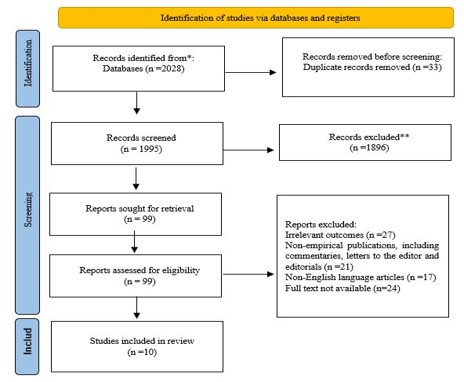
Figure 1. PRISMA flow diagram (14). (Prepared by Authors, 2026).
Table 1. Characteristics and thematic classification of included studies. This table combines the core characteristics of the ten included studies with their thematic classification, as identified during the synthesis.
Table 2. Meta synthesis and related categories.
Full-Text: (73 Views)
1. Introduction
Childhood cancer represents one of the most profound and enduring health challenges, impacting not only the child diagnosed but also the entire family. The consequences of this illness extend across physical, psychological, emotional, and social realms (1). Leukemia, the most prevalent form of pediatric cancer, accounts for nearly one-third of all childhood cancers. The diagnostic process, long-term treatment regimens, frequent hospitalizations, and the child's heightened dependence on parental care significantly disrupt family routines and dynamics (2). These ongoing challenges require families to adapt constantly to psychosocial stressors, often resulting in shifts in family roles, support systems, and interaction patterns (3).
In this context, siblings of children with leukemia are often described as "silent victims." As the focus remains on the ill child and resources such as time, finances, and emotional support become strained, the needs of siblings both emotional and psychological are frequently overlooked (4). Consequently, these siblings may experience a range of complex emotions, including sadness, fear, jealousy, guilt, anger, and feelings of abandonment. Reduced attention from parents, changes in household responsibilities, role shifts, and experiences of both symbolic and tangible grief contribute to ongoing emotional distress for these children and adolescents (5). Studies indicate that these difficulties can lead to behavioral problems, academic challenges, anxiety disorders, low self-esteem, and strained social relationships (6).
The process by which siblings adjust to the illness of a brother or sister is multifaceted and influenced by a range of factors such as age, gender, developmental stage, family dynamics, parenting styles, access to support networks, and broader societal and cultural contexts (7). This adjustment involves a variety of cognitive, emotional, and behavioral strategies that help siblings cope with stress, derive meaning from their experiences, and maintain psychological equilibrium in the face of ongoing family disruptions. Qualitative research is essential to understand these nuanced experiences, as it enables a deeper exploration of the emotional and psychological journeys of siblings across different social and cultural settings (8). In recent years, an increasing number of studies have utilized qualitative approaches, including in-depth interviews, participant observation, and focus groups, to explore various aspects of the sibling experience in families affected by childhood cancer. In recent years, an increasing body of qualitative research through in-depth interviews, participant observation, and focus groups has sought to illuminate various dimensions of the sibling experience in families affected by childhood cancer (9).
These studies have uncovered a range of complex themes, including isolation, anxiety, heightened responsibility, premature emotional growth, and the development of identity. However, differences in research frameworks, methodologies, cultural influences, and the absence of a unified theoretical approach have hindered the formation of comprehensive models to guide clinical practice and policy development. To address these challenges, qualitative metasynthesis is a valuable method for systematically analyzing and synthesizing the findings from various qualitative studies (10-11). Unlike quantitative meta-analysis, which focuses on aggregating numerical data, metasynthesis combines conceptual insights and themes drawn from qualitative research, providing a deeper understanding of complex human experiences. This method contributes to advancing knowledge, refining theoretical models, and informing the development of targeted interventions and psychosocial support for affected families (12).
Given the gaps in the current literature and the need for further theoretical and practical insights in this field, the present study undertakes a qualitative metasynthesis of existing research on the adjustment experiences of siblings of children with leukemia. The primary objective is to identify recurring themes, coping mechanisms, stressors, and factors that facilitate or hinder the adaptation process for these children and adolescents. The results of this analysis have the potential to refine existing conceptual models, inform the creation of family-centered support programs, and improve the design of psychosocial services tailored to meet the specific needs of this vulnerable group.
Previous systematic reviews in pediatric oncology have mainly focused on psychosocial interventions, caregiver burden, family functioning, or quality of life among families of children with cancer. Although some studies have addressed siblings’ psychosocial experiences, the available evidence remains fragmented and largely descriptive. Furthermore, existing reviews have not specifically synthesized qualitative evidence regarding the coping experiences and adaptation processes of siblings of children with leukemia, whose prolonged treatment trajectory and uncertain prognosis may create unique psychosocial challenges. Qualitative metasynthesis provides an opportunity to move beyond descriptive findings and generate deeper interpretive understanding across diverse cultural and clinical contexts. Therefore, the present review was conducted to address this gap by synthesizing qualitative evidence related to siblings’ emotional responses, coping strategies, role changes, and psychosocial adaptation during the childhood leukemia trajectory.
The study aimed to explore the coping experiences of siblings of children diagnosed with leukemia and identify their needs and preferences during the adjustment process. This systematic review has been registered in PROSPERO (CRD420251135331).
2. Materials and Methods
2.1 Search Strategy
A comprehensive search strategy was developed using controlled vocabulary terms and free-text keywords related to leukemia, siblings, coping experiences, psychosocial adaptation, and qualitative research. Databases searched included PubMed/MEDLINE, Embase, PsycINFO, Scopus, Web of Science, CINAHL, and Cochrane Library from database inception to January 2025. The search strategy combined Medical Subject Headings (MeSH) and keywords using Boolean operators (AND/OR). An example of the PubMed search strategy was: (‘Leukemia’ OR ‘childhood cancer’ OR ‘pediatric oncology’) AND (‘siblings’ OR ‘brothers and sisters’) AND (‘coping’ OR ‘adaptation’ OR ‘psychosocial experiences’) AND (‘qualitative research’ OR ‘phenomenology’ OR ‘grounded theory’ OR ‘content analysis’). In addition, manual screening of reference lists from eligible studies was conducted to identify further relevant articles.
2.2 Inclusion and Exclusion Criteria
Eligible studies included qualitative and mixed-method studies reporting qualitative findings related to the coping experiences, emotional responses, family role changes, or psychosocial adaptation of siblings of children with leukemia. The review population included children and adolescents aged 6–20 years who had a sibling diagnosed with leukemia. The primary focus was on the coping experiences of these siblings. Only studies using qualitative methodologies were considered, including but not limited to phenomenology, hermeneutic phenomenology, grounded theory, ethnography, action research, and focus group research. Studies investigating group interventions or bereavement experiences among siblings of children who had cancer were excluded from the review.
2.3 Assessment of Methodological Quality
Prior to inclusion in the review, two independent reviewers assessed the methodological quality of each selected study. This evaluation was conducted using the Joanna Briggs Institute Qualitative Assessment and Review Instrument (JBI-QARI) (13). Discrepancies between reviewers were resolved through discussion or by consulting a third reviewer. The JBI-QARI tool includes ten criteria focused on the philosophy, design, and credibility of qualitative research.
2.4 Data Extraction
Qualitative data from eligible studies were extracted using the standardized instrument from JBI-QARI. The extracted findings were assessed for credibility using JBI-QARI’s Two-Tier System: unequivocal (U) and credible (C).
2.5 Data Synthesis
The findings from the selected qualitative studies were synthesized using the JBI-QARI approach. This process involved organizing findings by their quality ratings and categorizing them based on similar meanings. These categories were then combined through metasynthesis to create a unified set of findings that can contribute to evidence-based practice.
3. Result
The scoping search identified 2028 articles across the databases, which were then hand-searched. Of these, 1995 articles were screened based on the title and abstract, resulting in 99 articles selected for full review. Out of these 99 articles, 10 met the inclusion criteria and were included in the final review, while 89 were excluded. Reasons for exclusion included: mismatched research objectives, review articles or literature reviews, participants older than 20 years, siblings of children who had completed cancer treatment or passed away, and studies not involving siblings of children diagnosed with cancer. The final 10 articles underwent critical appraisal, and all met the necessary criteria for inclusion in data extraction and analysis (Figure 1). The selection was based on participant characteristics, specifically siblings aged 6 to 20 years living with a brother or sister (under 18 years) diagnosed with childhood cancer.
Figure 1. PRISMA flow diagram (14). (Prepared by Authors, 2026).
3.1 Synthesis of Findings
A total of 40 findings emerged from the metasynthesis process. These were categorized into nine distinct groups, which were further synthesized into four major themes: 1. Feeling Excluded, 2. Carrying Emotional Burdens and Hidden Anxiety, 3. Adapting to New Family Responsibilities, and 4. Disintegration of Life (Table 2). Below, each of these themes is discussed in detail.
3.2 Perceived emotional neglect and altered family attention
Chronic illnesses in childhood, especially serious conditions like leukemia, deeply affect not just the child who is ill but also their entire family. Siblings of these children, who often receive less medical and emotional attention, go through a unique set of experiences that have been extensively explored in qualitative research. A key theme emerging from these experiences is a recurring sense of rejection (15). This complex emotional response arises within the family dynamics and social interactions, shaping the healthy sibling’s views, behaviors, and psychological development. By combining findings from various qualitative studies, we gain a clearer, more integrated understanding of the shared patterns that underpin this phenomenon (16). Conceptual analysis shows that the feeling of rejection is not limited to being simply ignored; it involves a mix of beliefs, emotions, and mental processes that are influenced by the ongoing prioritization of the sick child in the family’s emotional and functional life. Healthy siblings often express their feelings using terms like "invisible," "ignored," or "unimportant," revealing a psychological state where they feel sidelined within the family (17). Research has pinpointed four major factors that contribute to the development of these feelings: 1. Parents’ intense focus on the sick child, which leads to emotional and physical neglect of the healthy sibling; 2. Prolonged parental absence or inconsistency, particularly during hospital stays or intense treatment periods; 3. Poor communication, often due to overprotective parents or difficulty in explaining things in a way that the child can understand; and 4. The assignment of responsibilities that are too heavy for the child's age, pushing them to mature prematurely and take on a caregiving role instead of receiving support. Within the field of psychological research, studies have linked feelings of rejection to a range of emotional and behavioral problems. These may include anxiety, depression, low self-esteem, guilt, repressed anger, aggression, or social withdrawal. In some cases, children might adopt maladaptive coping mechanisms, like pretending to be sick or underperforming academically, in hopes of attracting attention. Internally, they may bottle up their emotions and suppress their needs, a dynamic often referred to as "emotional silencing" (18). This behavior reflects the child’s attempt to protect their parents' emotional well-being and avoid adding to their stress. However, over time, this strategy can hinder the child’s emotional development and lead to insecure attachment patterns. Within the family, feelings of rejection can upset the emotional balance between siblings, leading to increased tension, rivalry, or even estrangement. Healthy children may also feel guilty for their well-being in contrast to their ill sibling's suffering, creating ongoing inner conflicts they may struggle to express or resolve. These unresolved issues can later manifest as identity struggles or difficulties in building relationships (15). At the same time, qualitative research has highlighted several factors that can reduce the intensity of these negative emotions. These include promoting open and meaningful communication between parents and the healthy child, involving the child in caregiving activities in an age-appropriate way, providing adequate educational information, offering psychological support tailored to children, and encouraging participation in peer support groups. Access to these resources can help restore a sense of belonging, safety, and continuity within the family (16). Synthesizing findings from qualitative studies reveals that the experience of rejection among siblings of children with leukemia is a complex, interdisciplinary phenomenon encompassing psychological, social, communicative, and familial dimensions. This emotion constitutes a subtle yet influential aspect of the family's experience with illness; neglecting it may result in broader secondary impacts on family mental health. Consequently, developing family-centered interventions, implementing child-focused care strategies, and upholding ethical standards in healthcare delivery should all address the needs of this vulnerable and frequently overlooked population as essential recipients of support and attention (15-16, 18-19).
This theme reflects siblings’ perceptions of emotional neglect and reduced parental availability following the cancer diagnosis. Participants described feeling invisible within the family system, as parental attention became predominantly focused on the ill child. These experiences contributed to loneliness, emotional suppression, and diminished self-worth.
3.3 Carrying emotional burdens and hidden anxiety
A review of existing literature suggests that healthy children in families are often required to take on roles that are beyond their typical developmental stage. These responsibilities frequently involve caring for younger siblings, handling household duties, providing emotional support to parents, and suppressing their own needs in an effort to avoid adding psychological stress to the family dynamic. In many cases, these children undergo a premature process of maturation, which comes at the cost of typical childhood experiences. Research indicates that this transition often results in psychological exhaustion and limited opportunities for recreation, social interaction, and normal developmental growth. The constant expectation to behave well, remain agreeable, and accommodate others becomes deeply ingrained in their revised family role (20).
Siblings of children with illness often mask intense feelings of anxiety. This anxiety may stem from worries about the ill sibling's prognosis, uncertainties about the family’s future, feelings of guilt for being healthy, or a sense of isolation due to parents' focus on the sick child. Many of these children choose not to share their concerns openly in order to protect their parents and maintain family harmony. This internalized anxiety frequently manifests through indirect behaviors such as irritability, academic struggles, sleep disruptions, or withdrawal from social interactions. While these children may appear calm on the outside, they often struggle internally with emotions like fear, anger, and emotional instability (21). Analyzing these patterns reveals that siblings of children with leukemia are placed in a dual challenge: they are thrust into roles that require them to act beyond their age, while simultaneously suppressing their true emotional responses. This combination of pressures exposes them to long-term psychological risks that are frequently overlooked by both parents and healthcare professionals. Without adequate psychological support, these stressors may lead to the development of anxiety disorders, depression, and challenges related to identity during adolescence and adulthood (22).
The findings from this qualitative synthesis emphasize the necessity of recognizing and addressing the psychological needs of siblings of children with leukemia as a crucial part of holistic, family-centered care. Implementing targeted supportive measures, such as group sessions designed specifically for siblings, educating parents about providing balanced emotional attention, and involving mental health professionals specializing in child and adolescent care in the family’s treatment plan, can play a vital role in reducing psychological harm among this vulnerable population (15, 16, 20).
3.4 Adapting to new family responsibilities
When a child is diagnosed with leukemia, the family's attention, particularly that of the parents, inevitably shifts to addressing the medical and emotional needs of the affected child. As a result, siblings are often forced to adjust to unfamiliar circumstances, frequently assuming adult-like responsibilities within the household (21). This experience can be characterized by four primary aspects.
3.4.1 Redistribution of Family Roles
Numerous qualitative studies have highlighted that siblings of children with leukemia often undergo a shift in their roles within the family following the onset of the illness. They may become caregivers, assist parents with daily chores, manage household responsibilities, or act as intermediaries in family dynamics. These changes typically occur suddenly, without prior preparation, requiring the sibling to adopt roles and behaviors beyond their developmental stage (19).
3.4.2 Tension between Personal Needs and New Responsibilities
As these additional responsibilities mount, siblings often face an internal struggle between meeting their own developmental needs such as play, socializing, and receiving attention and fulfilling the increased demands of the family. Many sacrifice leisure activities, interactions with friends, and even personal rest to support their family during this difficult time. This ongoing conflict frequently leads to feelings of guilt when they attempt to pursue their own interests (23).
3.4.3 Accelerated Psychological Growth and Increased Responsibility
While these pressures may result in the early acquisition of skills like time management, caregiving, and emotional insight, this accelerated growth can foster greater self-confidence and a sense of purpose within the family. However, if this process takes place without adequate emotional support, it may lead to exhaustion and a decrease in self-worth (19).
3.4.4 Desire for Recognition and Validation
Despite their significant contributions, siblings often feel overlooked in their new roles. They seek acknowledgment and understanding from parents and others for their efforts. When this recognition is absent, they may experience feelings of inadequacy, rejection, or low self-esteem, which can negatively affect their psychological well-being over time (22). While adapting to increased family responsibilities can promote emotional maturity in healthy siblings, insufficient support is linked to negative outcomes such as anxiety, depression, suppressed anger, academic challenges, and impaired social functioning. Many siblings choose not to express their emotions in order to maintain family harmony, and this prolonged emotional suppression can lead to lasting psychological harm (17, 19).
3.5 The disintegration of life
When a child within a family receives a cancer diagnosis, parental attention is naturally redirected toward the affected child, often leading to frequent medical procedures and prolonged hospital stays. This shift can result in significant disruption and a lack of structure in both the academic and home environments of the siblings. In many cases, parents do not provide detailed explanations about the illness to the healthy siblings, leaving their understanding of cancer incomplete and unclear. Younger siblings, typically between the ages of 6 and 10, may only begin to understand the gravity of the situation when they witness the discomfort caused by treatments like intravenous injections or notice visible changes in their sibling’s appearance due to medical interventions. Older siblings, between 11 and 18 years old, often develop empathy for their brother or sister’s pain and anxiety only after they themselves take on caregiving responsibilities (23). Additionally, adolescents in this age group frequently face academic difficulties and reduced social interaction with peers, stemming from the emotional strain and disruptions brought on by the cancer diagnosis within the family. These experiences can be organized into three main categories: 1. coping with a disrupted family environment, 2. gaining insight into the suffering of the sibling with cancer through direct involvement, and 3. experiencing altered peer relationships and academic challenges (18). This theme illustrates the disruption of daily routines, family cohesion, academic functioning, and peer relationships experienced by siblings after the child’s diagnosis. Participants described uncertainty, instability, and loss of normal family interactions during the treatment trajectory.
3.6 Coping with a Disrupted Family Environment
Healthy siblings often undergo major changes in their daily routines and familial relationships when a brother or sister is diagnosed with cancer. Upon first learning about the diagnosis and its consequences, these siblings are typically not given comprehensive information about the illness, which creates uncertainty regarding the reasons behind the sudden changes in their lives and how these changes will affect them. This uncertainty leads to complex emotions that are difficult for siblings to express. The hospitalization of the sick child often results in family separation, forcing healthy siblings to adjust to new living arrangements. Moreover, these siblings are rarely provided with enough time or resources to fully comprehend the nature and impact of cancer, yet they must still navigate an altered family dynamic. As parents dedicate most of their time and energy to caring for the hospitalized child, healthy siblings may face additional disruption, sometimes requiring support from extended family or others to meet their needs (23, 24). These Tables details the quantity of records identified, screened, assessed for eligibility, and ultimately incorporated into the review, as well as the specific reasons for exclusion at each stage. Additional details regarding the characteristics of the included studies are summarized in Table 1 and Table 2.
Table 1. Characteristics and thematic classification of included studies. This table combines the core characteristics of the ten included studies with their thematic classification, as identified during the synthesis.
| Year | Author | Purpose | Participants | Diagnosis time since interview | Methodology | Methods and Analysis | Findings |
| 2018 | Van Schoors (15) |
Understanding the experiences of siblings living in a family where one child has been diagnosed with blood cancer. | Ten siblings of children with leukemia or non-Hodgkin lymphoma | Newly diagnosed cancer, within 1 month of diagnosis | Interpretative phenomenological | Semi-structured interviews; content analysis | They felt as though their family was falling apart, with the focus shifting more to the child with the illness and a reallocation of responsibilities among each family member |
| 2022 | Chodidjah (16) |
Exploring the psychosocial challenges faced by families of early adolescents with leukemia. | 47 family members (Parents and Sibilings) | Within 1 year of diagnosis | Phenomenology | Semi-structured interviews; content analysis | 1-Emotional Responses to Illness and Coping Mechanisms 2-Social Isolation of Family Members 3- Conflicts Leading to Emotional Distress |
| 2022 | Mirzaie (17) |
Exploring the quality-of-life experiences of siblings of children with cancer. | 17 siblings of children with cancer | After 6 months of diagnosis | Qualitative content analysis | Semi-structured interviews; content analysis | Five Dimensions of Quality of Life for Siblings:1-Personal Functioning 2-Efforts to Improve Circumstances 3-Emotional and Psychological Well-being 4-Family Dynamics 5-Physical Health |
| 2023 | Mensah (18) |
Examining the pressures and coping strategies of family caregivers for children and adolescents with cancer. | There are 20 members in the family (Parents and Siblings) | Families of children diagnosed in the preceding 6 months | Descriptive Phenomenological | Semi-structured Interviews; Thematic Analysis |
They experienced three main types of strain: somatic, economic, and psychosocial. |
| 2022 | Gregory (24) |
Exploring the perceptions and experiences of siblings of children with cancer who took part in a peer support camp. | 10 siblings (six non-bereaved and four bereaved) ages 8 to 16 years | Within 1 year of diagnosis | Phenomenology | Semi-structured interviews; content analysis | Four Themes: Social Connection, Personal Growth, Identity, and Freedom for Recreation and Relaxation |
| 2019 | Porteous (19) |
Positive and Negative Impacts on Well-Being Experiences | 10 siblings of pediatric cancer survivors | Within 1 year of diagnosis | Phenomenology | Semi-structured interviews; content analysis | Supporting siblings by fostering hope, recognizing positive growth, highlighting beneficial events, and offering opportunities for enjoyment. |
| 2020 | Løkkeberg (20) |
Experiences of Siblings from a Salutogenic Health Promotion Perspective | Seven female siblings aged 13–17 years | After 6 months of diagnosis | content analysis | Qualitative content analysis | New challenges and needs in daily life, which encompassed two areas: the impact of cancer on life and available coping resources. |
| 2021 | Feyruz Usluoglu (21) |
Investigating the perspectives of parents and siblings of children with cancer. | 24 parents and 12 siblings from 12 families | Families of children of varying ages with different cancer diagnoses and who were at different stages of their illness | Longitudinal qualitative research study | Face-to-face, open-ended individual interviews, focus group interviews, and participant observation; constant comparative analysis | Planning supportive and protective interventions for families, in collaboration with medical healthcare providers. |
| 2024 | Kittelsen (22) |
Understanding and exploring the lived experiences of siblings. | 13 siblings of children with cancer | Diagnosed at least 6 months before the interview | hermeneutic phenomenology | semi-structured interviews. Analysis followed a thematic analysis guided by van Manen’s life existentials | Main Theme: Living under significant pressure, feeling overlooked, and having unmet personal needs. |
| 2025 | Sunhee Lee (23) |
The lived experience of a teenager in a family after a sibling's cancer diagnosis. | 8 adolescent siblings of pediatric cancer survivors | After 6 months of diagnosis | Descriptive Qualitative | In-depth interviews and the qualitative analytic method | Adolescents often experienced worries about their family and feelings of rejection, yet they also became a source of support for their family. |
| Findings | Category | Theme |
| Many siblings of children with leukemia feel overshadowed by their sibling's illness (C). They often report that parents dedicate most of their time, attention, and affection to the sick child, leaving their own emotional needs unmet (U). This can result in feelings of loneliness, resentment, and low self-esteem (C). | Feeling abandoned by parents | Feeling excluded |
| Some children try to alleviate the psychological pressure in the family by adopting the role of the "strong and easy child." This role-playing may amplify their hidden anxieties and lead to emotional exhaustion over time (C). "I don't want Mom and Dad to be upset, so I pretend everything is fine." (U) This behavior involves concealing negative emotions to preserve family harmony, resulting in emotional burdens and hidden anxiety (U). |
Trying to hide negative emotions in order to maintain family peace | Carring emotional burdens and hidden anxiety |
| Many children take on new responsibilities, such as caring for younger siblings, doing household chores, or providing emotional support to their parents. While these duties can foster a sense of independence, they can also be highly stressful (C). "I have to make my lunch after school and sometimes help my brother with his homework because my mom and sister are in the hospital." (U) |
Accepting roles beyond age to help the family | Adapting to new family responsibilities |
| Children report that after their sibling's diagnosis; the family structure is disrupted. They feel as though everything now revolves around the illness, and they have lost their place within the family (C). "Everything has changed. We no longer have dinner together, and my mom doesn't tell me stories anymore... It feels like our home isn't the same." (U) |
Disruption of the order and structure of family life | The disintegration of life |
4. Discussion
The findings from this qualitative meta-synthesis provide a comprehensive and nuanced understanding of how siblings of children with leukemia adapt to their circumstances. This adaptation process extends beyond individual reactions and must be viewed within the broader context of family dynamics, cultural influences, and the specific challenges posed by the illness and its treatment. The qualitative meta synthesis demonstrated that siblings’ adaptation processes involve complex interactions among emotional distress, changing family roles, unmet psychosocial needs, and attempts to maintain psychological stability during periods of family crisis (25). Siblings of children diagnosed with cancer during childhood often face significant disruptions in family life, possess only partial understanding of their ill sibling’s condition, and live with ongoing uncertainty and confusion. They may experience negative emotions and behaviors toward their parents, who often give heightened attention to the sick child, leading to feelings of jealousy, resentment, sadness, and even guilt (26). Research by Effendy et al. (2022) found that many siblings, especially when parental presence is limited, feel compelled to take on supportive or adult-like roles prematurely to alleviate parental stress. This phenomenon, known as parentification, can have both positive and negative outcomes: while it may instill a sense of responsibility and foster psychosocial development, it can also place undue emotional burden on the child (27).
Feelings of insecurity within the family unit are common among siblings, often stemming from a sense of marginalization. This sense of alienation can strain relationships with parents, leaving siblings feeling disconnected. These children express a need for opportunities to communicate their emotions, receive care and reassurance from their parents, and share their experiences with others, including support groups. Disruptions in family relationships are closely tied to how siblings perceive changes in family roles and their involvement in caregiving responsibilities (28).
Moreover, direct involvement in caring for their ill sibling provides siblings with insights into the impact of the illness on both the affected child and the family as a whole. This exposure can foster personal growth and help normalize the altered family dynamics, ultimately allowing siblings to adapt more positively and gain a sense of control over their new reality (15).
As a result, siblings involved in caregiving require diverse forms of social support and recognition within the family environment. Such support is crucial for fostering healthy development, as it allows siblings to express their feelings and needs while equipping them to handle emerging challenges (29). Supportive interpersonal relationships are pivotal in helping siblings adapt to the changes in family dynamics. When both siblings and parents of a child with cancer develop a shared understanding of medical interventions and collaborate toward common goals, this often leads to greater family harmony and an improved quality of life. Families commonly adopt normalization strategies, integrating ongoing medical care into their everyday routines (30).
It is crucial for siblings to have opportunities to be involved in the treatment processes and care plans for the ill child, as well as to engage in regular family activities that help maintain a sense of normalcy. Ensuring that siblings and other family members are informed about the child’s health status, required care, and any adjustments needed represents a vital step in restoring the sibling’s self-esteem and supporting the family in achieving normalization (31). A significant gap in current research is the lack of systematic and structured approaches specifically designed to support siblings of pediatric cancer patients. While patient-centered care is often the focus, healthy siblings remain vulnerable to psychological neglect, sometimes referred to as becoming "shadow children." In this regard, professionals such as counselors, psychologists, nurses, and social workers have an essential role in creating family-oriented interventions. Providing opportunities for siblings to express themselves through play therapy, art-based activities, or peer support groups can be especially beneficial (32). Additionally, educating parents on balancing attention between the ill and healthy children is crucial in reducing the psychological distress that siblings experience. Much of the familial strain comes from parents' limited awareness of their healthy children's emotional needs during a sibling's illness. Guidance on enhancing communication, balancing parental attention, and supporting emotional health can significantly reduce anxiety and feelings of exclusion among siblings (33).
Unlike previous reviews that primarily summarized psychosocial outcomes or evaluated supportive interventions for families of children with cancer, the present meta synthesis aimed to generate an interpretive understanding of siblings lived experiences across qualitative studies. The synthesis identified interconnected processes of emotional suppression, perceived invisibility within the family system, premature role transition, and disrupted developmental identity. These findings extend beyond descriptive psychosocial burden by illustrating how siblings actively negotiate adaptation within changing family structures during the leukemia trajectory.
Some variations across the included studies were observed regarding siblings’ emotional adaptation and coping responses. While several studies described profound emotional distress, social isolation, and feelings of neglect, others reported personal growth, resilience, increased empathy, and stronger family connectedness. These inconsistencies may be explained by differences in developmental stage, cultural context, family communication patterns, healthcare support systems, disease trajectory, and availability of psychosocial resources. Such variability highlights the complex and multidimensional nature of siblings’ adaptation experiences.
5. Conclusion
This study highlights that changes in typical family dynamics and interactions can evoke a wide range of complex emotions, behaviors, and reactions among siblings of children diagnosed with cancer. These shifts also significantly affect their academic performance and social relationships. Siblings are acutely aware of the implications of cancer and the subsequent changes in family roles and dynamics following a diagnosis. Their experiences encompass being present during the illness, confronting and understanding the challenges and suffering faced by the affected sibling, fostering a sense of self-integrity, and finding opportunities for personal growth and adjustment. They also experience an enhanced sense of family closeness, a positive outlook, the development of mutual reliance among family members, the balancing of individuality while providing support through the illness, and the ongoing effort to maintain normalcy and family functioning. A key limitation of this study, however, is its exclusive focus on individuals whose family experiences involve having a sibling with cancer. Healthcare professionals, particularly pediatric oncology nurses and community health nurses, should incorporate sibling-focused supportive care into routine family-centered practice. Early identification of psychosocial distress, structured coping-support interventions, and continuous emotional support may improve siblings’ adjustment, resilience, and overall quality of life during the cancer experience.
6. Declarations
6.1 Acknowledgments
Not Applicable.
6.2 Ethical Considerations
The author of this article confirms the authenticity of the manuscript.
6.3 Authors' Contributions
J.N.: Conceptualization, data curation, formal analysis, investigation, methodology, project administration, resources, software, supervision, validation, visualization, and writing original draft.
6.4 Conflict of Interest
The authors declare that they have no competing interests.
6.5 Fund or Financial Support
This research did not receive any specific funding from any public, commercial, or non-profit funding agency.
6.6 Using Artificial Intelligence Tools (AI Tools)
The authors were not utilized AI Tools.
Type of Study: Review Article |
Subject:
Clinical Medicine
Received: 2026/04/2 | Accepted: 2026/06/22 | Published: 2026/08/4
Received: 2026/04/2 | Accepted: 2026/06/22 | Published: 2026/08/4
References
1. Hong HC, Min A, Choi S. Living with the late effects of childhood cancer treatment: A descriptive qualitative study. Int J Environ Res Public Health. 2021;18(16):8392. [DOI:10.3390/ijerph18168392]
2. Petersen NN, Hansson H, Lie HC, Brinkkjær M, Graungaard B, Hamilton Larsen M, et al. A qualitative study of young childhood cancer survivors and their parents' experiences with treatment‐related late effects in everyday life post‐treatment. ـJ Adv Nurs. 2022;78(3):858-68. [DOI:10.1111/jan.15073]
3. Barrett PM, Mullen L, McCarthy T. Enduring psychological impact of childhood cancer on survivors and their families in Ireland: A national qualitative study. Eur J Cancer Care (Engl). 2020;29(5):e13257. [DOI:10.1111/ecc.13257]
4. Guan T, Chapman MV, Qan'ir Y, Song L. Psychosocial interventions for siblings of children with cancer: A mixed methods systematic review. Psycho Oncology. 2021;30(6):818-31. [DOI:10.1002/pon.5684]
5. Brosnan P, Davis KA, Mazzenga M, Oberoi AR, Sharkey CM, Buchbinder D, et al. Psychosocial care providers' perspectives: Barriers to implementing services for siblings of children with cancer. Pediatr Blood Cancer.2022;69(2):e29418. [DOI:10.1002/pbc.29418]
6. Lin B, Gutman T, Hanson CS, Ju A, Manera K, Butow P, et al. Communication during childhood cancer: systematic review of patient perspectives.Cancer. 2020;126(4):701-16. [DOI:10.1002/cncr.32637]
7. Akard TF, Skeens MA, Fortney CA, Dietrich MS, Gilmer MJ, Vannatta K, et al. Changes in siblings over time after the death of a brother or sister from cancer.Cancer Nurs. 2019;42(1):E20-E7. [DOI:10.1097/NCC.0000000000000573]
8. Arora SR, Shama W, Lucchetta S, Markowitz S, Yohan A. The cancer journey through the lens of a sibling: a photovoice intervention for teen siblings of children with cancer. Soc Work Health Care.2021;60(5):430-47. [DOI:10.1080/00981389.2021.1926397]
9. Oberoi AR, Cardona ND, Davis KA, Pariseau EM, Berk D, Muriel AC, et al. Parent decision-making about support for siblings of children with cancer: Sociodemographic influences.Clin Pract Pediatr Psychol. 2020;8(2):115-25. [DOI:10.1037/cpp0000324]
10. Mardakis S, Arora RS, Bakhshi S, Arora A, Anis H, Tsimicalis A. A qualitative study of the costs experienced by caregivers of children being treated for cancer in New Delhi, India.Cancer Rep. 2019;2(3):e1149. [DOI:10.1002/cnr2.1149]
11. McDonnell GA, Shuk E, Ford JSJHohp. A qualitative study of adolescent and young adult cancer survivors' perceptions of family and peer support.J Health Psychol. 2020;25(5):713-26. [DOI:10.1177/1359105318769366]
12. Mooney-Doyle K, Burley S, Ludemann E, Rawlett K. Multifaceted support interventions for siblings of children with cancer: a systematic review. Cancer Nurs.2021;44(6):E609-E35. [DOI:10.1097/NCC.0000000000000966]
13. Munn Z, Aromataris E, Tufanaru C, Stern C, Porritt K, Farrow J, et al. The development of software to support multiple systematic review types: the Joanna Briggs Institute System for the Unified Management, Assessment and Review of Information (JBI SUMARI). Int J Evid Based Healthc.2019;17(1):36-43. [DOI:10.1097/XEB.0000000000000152]
14. Page MJ, McKenzie JE, Bossuyt PM, Boutron I, Hoffmann TC, Mulrow CD, et al. The PRISMA 2020 statement: an updated guideline for reporting systematic reviews.BMJ. 2021;372. [DOI:10.1136/bmj.n71]
15. Van Schoors M, De Mol J, Laeremans N, Verhofstadt LL, Goubert L, Van Parys HJJoPON. Siblings' experiences of everyday life in a family where one child is diagnosed with blood cancer: A qualitative study. J Pediatr Oncol Nurs.
16. 2019;36(2):131-42.
17. Chodidjah S, Kongvattananon P, Liaw J."Changed our lives": Psychosocial issues experienced by families of early adolescents with leukemia.Eur J Oncol Nurs. 2022;56:102077. [DOI:10.1016/j.ejon.2021.102077]
18. Mirzaie¹ M, Bolourchifard F, Rohani C. Quality of life experiences in siblings of children with cancer: A qualitative content analysis. Available via license: CC BY 4.0 2022. [DOI:10.21203/rs.3.rs-1697595/v1]
19. Mensah ABB, Nunoo H, Mensah KB, Okyere J, Dzomeku VM, Apiribu F, et al. Impact of childhood and adolescent cancer on family caregivers: a qualitative analysis of strains, resources and coping behaviours. BMC Psychol.2023;11(1):361. [DOI:10.1186/s40359-023-01406-w] [PMCID]
20. Porteous E, Peterson ER, Cartwright CJJoPON. Siblings of young people with cancer in NZ: Experiences that positively and negatively support well-being.J Pediatr Oncol Nurs. 2019;36(2):119-30. . [DOI:10.1177/1043454218819455]
21. Løkkeberg B, Sollesnes R, Hestvik J, Langeland E. Adolescent siblings of children with cancer: a qualitative study from a salutogenic health promotion perspective. Int J Qualitate Stud Health.2020;15(1):1842015. [DOI:10.1080/17482631.2020.1842015]
22. Usluoglu F, Atıcı M. Experiences of Families of children with cancer regarding support sources and coping strategies. Inonu Univ J Educ.2021;22(2):1779-805. [DOI:10.17679/inuefd.913012]
23. Kittelsen TB, Castor C, Lee A, Kvarme LG, Winger A."What about me?": lived experiences of siblings living with a brother or sister with a life-threatening or life-limiting condition.Int J Qual Stud Health Well-Being. 2024;19(1):2321645. [DOI:10.1080/17482631.2024.2321645]
24. Lee S, Lee D. Re‐determining my position: Experiences of adolescent siblings of pediatric cancer survivors.Nurs Health Sci. 2025;27(1):e70072. [DOI:10.1111/nhs.70072]
25. Gregory D, Van Puymbroeck M, Crowe B, Garst B,Amylon M.. The lived experience of siblings of children with cancer who attended a peer support camp in the United States. Qual Health Res .2022;32(8-9):1342-55. [DOI:10.1177/10497323221095478]
26. Lyu QY, Zhang MF, Bu XQ, Zhou XZ, Zhao XJ.A qualitative study exploring coping strategies in Chinese families during children's hospitalization for cancer treatment.J Pediatr Nurs. 2019;48:e27-e34. [DOI:10.1016/j.pedn.2019.05.022]
27. Huang Y, Chen M, Zhang Y, Chen X, Zhang L, Dong C. Finding family resilience in adversity: A grounded theory of families with children diagnosed with leukaemia.J Clin Nurs. 2023;32(15-16):5160-72. [DOI:10.1111/jocn.16615]
28. Effendy C, Uligraff DK, Sari SH, Angraini F, Chandra L. Experiences of family caregivers of children with cancer while receiving home-based pediatric palliative care in Indonesia: a qualitative study.BMC Palliat Care. 2022;21(1):104. [DOI:10.1186/s12904-022-00986-5] [PMCID]
29. Toft T, Alfonsson S, Hovén E, Carlsson T. Feeling excluded and not having anyone to talk to: Qualitative study of interpersonal relationships following a cancer diagnosis in a sibling.Eur J Oncol Nurs. 2019;42:76-81. [DOI:10.1016/j.ejon.2019.07.010]
30. Koumarianou A, Symeonidi AE, Kattamis A, Linardatou K, Chrousos GP, Darviri C, et al. A review of psychosocial interventions targeting families of children with cancer.Palliat Support Care. 2021;19(1):103-18. [DOI:10.1017/S1478951520000449]
31. D'Urso A, Mastroyannopoulou K, Kirby A. Experiences of posttraumatic growth in siblings of children with cancer. Clin Child Psychol Pschiatry. 2017;22(2):301-17. [DOI:10.1177/1359104516660749]
32. YILMAZ Ö, Türkeli A, Karaca Ö, Yüksel H. Does having an asthmatic sibling affect the quality of life in children? Turk J Pediatr . 2017;59(3):274-80 [DOI:10.24953/turkjped.2017.03.007]
33. Fullerton J, Totsika V, Hain R, Hastings R. Siblings of children with life‐limiting conditions: Psychological adjustment and sibling relationships. Child Care Health Dev. 2017;43(3):393-400. [DOI:10.1111/cch.12421]
34. Barrera M, Atenafu E, Nathan PC, Schulte F, Hancock . Depression and quality of life in siblings of children with cancer after group intervention participation: A randomized controlled trial.J Pediatr Psychol.2018;43(10):1093-103. [DOI:10.1093/jpepsy/jsy040] [PMID]
Send email to the article author
| Rights and permissions | |
 |
This work is licensed under a Creative Commons Attribution-NonCommercial 4.0 International License. |
Copyright Policy
Journal of Advances in Medical and Biomedical Research by Zanjan University of Medical Sciences is licensed under CC BY-NC 4.0