
Fri, Nov 13, 2026
[Archive]
Volume 34, Issue 4 (July & August 2026)
J Adv Med Biomed Res 2026, 34(4): 323-330 |
Back to browse issues page



Download citation:
BibTeX | RIS | EndNote | Medlars | ProCite | Reference Manager | RefWorks
Send citation to:


BibTeX | RIS | EndNote | Medlars | ProCite | Reference Manager | RefWorks
Send citation to:
Talebi A, Yousefi S, Azari M, Jamialahmadi T, Sahebkar A. The Effect of Vitamin D Levels on the Status of Bacterial Vaginosis in Non-Pregnant Women: A Systematic Review. J Adv Med Biomed Res 2026; 34 (4) :323-330
URL: http://journal.zums.ac.ir/article-1-7884-en.html
URL: http://journal.zums.ac.ir/article-1-7884-en.html


1- Department of Midwifery, School of Nursing and Midwifery, Ahvaz University of Medical Sciences, Ahvaz, Iran
2- Department of Midwifery, School of Nursing and Midwifery, Shiraz University of Medical Sciences, Shiraz, Iran
3- Department of Midwifery, School of Nursing and Midwifery, Ardabil University of Medical Sciences, Ardabil, Iran
4- Pharmaceutical Research Center, Pharmaceutical Technology Institute, Mashhad University of Medical Sciences, Mashhad, Iran & Medical Toxicology Research Center, Basic Sciences Research Institute, Mashhad University of Medical Sciences, Mashhad, Iran
5- Applied Biomedical Research Center, Basic Sciences Research Institute, Mashhad University of Medical Sciences, Mashhad, Iran & Centre for Research Impact and Outcome, Chitkara College of Pharmacy, Chitkara University, Rajpura, India ,amir_saheb2000@yahoo.com
2- Department of Midwifery, School of Nursing and Midwifery, Shiraz University of Medical Sciences, Shiraz, Iran
3- Department of Midwifery, School of Nursing and Midwifery, Ardabil University of Medical Sciences, Ardabil, Iran
4- Pharmaceutical Research Center, Pharmaceutical Technology Institute, Mashhad University of Medical Sciences, Mashhad, Iran & Medical Toxicology Research Center, Basic Sciences Research Institute, Mashhad University of Medical Sciences, Mashhad, Iran
5- Applied Biomedical Research Center, Basic Sciences Research Institute, Mashhad University of Medical Sciences, Mashhad, Iran & Centre for Research Impact and Outcome, Chitkara College of Pharmacy, Chitkara University, Rajpura, India ,
Keywords: Vitamin D, Bacterial Vaginosis, Serum 25-Hydroxyvitamin D, Systematic Review, Non-Pregnant Women, Vaginal Microbiome
Full-Text [PDF 418 kb]
(133 Downloads)
| Abstract (HTML) (976 Views)
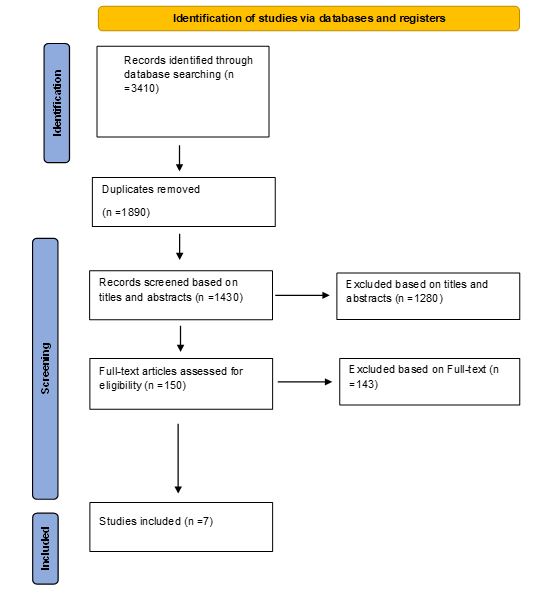
Figure 1. PRISMA 2020 Flow Diagram Illustrating Study Selection Process. (Prepared by Authors, 2026).
Table 3. Characteristics and Main Findings of the Included Studies.
Note: BV: Bacterial vaginosis. Values are reported according to original studies. p-values indicate statistical significance of comparisons between study groups. When exact p-values were not reported, significance was extracted from authors’ conclusions.
4. Discussion
Among women of reproductive age, BV represents one of the most prevalent vaginal infections (28, 29). Despite available antimicrobial therapies, recurrence rates remain high, and treatment outcomes are often suboptimal, partly due to microbial diversity and increasing antibiotic resistance (5).
The present systematic review investigated the relationship between serum vitamin D concentrations and BV in non-pregnant women. Of the seven included studies, four reported a significant association, whereas three did not, indicating inconsistent evidence.
4.1 Evidence from Clinical Trials
Among the randomized controlled trials, findings were mixed. Turner et al. (2014) reported no significant reduction in BV recurrence following high-dose vitamin D supplementation combined with metronidazole therapy (20). Despite the observed increase in serum vitamin D concentrations among participants receiving the intervention, many participants remained below optimal thresholds, and potential confounding factors, such as differences in sexual behavior, may have influenced outcomes. In addition, partial application of the Amsel criteria may have limited diagnostic accuracy. These methodological limitations reduce confidence in the null findings.
In contrast, Taheri et al. (2015) demonstrated that moderate-dose vitamin D supplementation significantly improved recovery in women with asymptomatic BV(18). Similarly, Nikvarz et al. (2023) reported improved clinical and laboratory outcomes following combined antibiotic and vitamin D therapy (17). These trials suggest a potential therapeutic role for vitamin D; however, differences in dosage, duration, baseline vitamin D status, and outcome assessment limit direct comparability. Overall, although two high-quality trials showed beneficial effects, the evidence remains insufficient to draw firm conclusions.
4.2 Evidence from Observational Studies in Non-Pregnant Women
Results from the cohort studies consistently indicated the absence of a clear relationship between vitamin D status and BV. Moore et al. (2018) found no increased risk of BV among vitamin D–deficient women, despite a high prevalence of deficiency (19). Similarly, Turner et al. (2016) reported no association between adequate vitamin D levels and BV prevalence in non-pregnant women (24). Both studies were of high methodological quality but relied partly on self-reported data or included populations with limited variation in severe deficiency, which may have reduced their ability to detect associations.
In contrast, case-control studies by Mojtahedi et al. and (2023) Rakhmatullaeva et al. (2022) consistently showed lower serum vitamin D levels among women with BV (25, 26). These studies benefited from objective diagnostic methods and laboratory measurements; however, their observational nature restricts the ability to establish causality and leaves the findings vulnerable to residual confounding.
4.3 Biological Plausibility
Vitamin D receptors are expressed in reproductive tissues and regulate immune responses and antimicrobial peptide
production. Vitamin D may influence oxidative stress and inflammatory pathways associated with BV (30, 31). These mechanisms provide biological plausibility for a protective role of vitamin D. Nevertheless, clinical evidence remains inconsistent, suggesting that vitamin D may act as a modifying factor rather than a primary determinant of BV.
4.4 Influence of Behavioral and Lifestyle Factors
Mojtahedi et al. (2023) identified smoking, hookah use, and early sexual debut as significant risk factors for BV (25).
These findings are consistent with previous research and highlight the importance of behavioral determinants. Semen exposure, contraceptive practices, and hygiene behaviors may also affect vaginal microbiota composition. These factors may influence the observed relationship between vitamin D status and BV and should therefore be adequately accounted for in future research.
4.5 Heterogeneity and Limitations
Considerable heterogeneity was observed across studies regarding design, population characteristics, diagnostic criteria, vitamin D assessment methods, supplementation protocols, and follow-up duration. These variations limited comparability and precluded meta-analysis. Additional limitations include small sample sizes in some trials, reliance on self-reported outcomes, incomplete adjustment for confounders, and geographic and socioeconomic differences among populations.
Furthermore, most studies assessed short-term outcomes, and long-term effects of vitamin D supplementation on BV recurrence remain unclear. Selection bias may also have influenced findings, as several studies recruited participants from healthcare facilities. Additionally, publication venue quality and indexing status varied across the included studies, which should be considered when interpreting the findings.
4.6 Implications and Future Research Directions
Given the inconsistent findings and methodological limitations, a definitive conclusion regarding the role of vitamin D in BV prevention and treatment cannot currently be made. Evidence from randomized trials suggests possible benefits in selected populations, whereas cohort studies largely report null associations. Overall, the strength of evidence remains moderate to low.
Further research should emphasize rigorously designed, large-scale randomized trials incorporating standardized diagnostic approaches, adequate follow-up periods, and careful control of behavioral and environmental confounders. Studies should also investigate dose–response relationships, optimal supplementation regimens, and interactions between vitamin D status and vaginal microbiome composition. Special attention should be given to asymptomatic BV and longitudinal changes in microbiota.
5. Conclusion
The findings of this systematic review suggest a possible relationship between vitamin D status and bacterial vaginosis; however, the available evidence remains limited and inconsistent. While some studies indicate a potential protective role of adequate vitamin D levels, others report no significant relationship. Differences in study design, population characteristics, and diagnostic methods may partly explain these inconsistencies. The role of vitamin D in both the prevention and management of bacterial vaginosis remains unclear, highlighting the need for further rigorous prospective studies and randomized controlled trials.
6. Declarations
6.1 Acknowledgments
Not applicable
6.2 Conflict of Interest
The authors declare that they have no conflict of interest.
6.3 Financial Support
This study received no specific financial support or funding.
6.4 Ethical Considerations
As this study is a systematic review of previously published studies and does not involve the collection of new data from human participants, ethical approval was not required.
6.5 Author Contributions
Conceptualization: AT, AS; Investigation: AT, SY, MA, TJ, AS; Writing-original draft: AT, SY, MA; Writing-review and editing: TJ, AS
6.6 Using Artificial Intelligence Tools (AI Tools)
The authors declare the use of artificial intelligence–assisted technologies for text editing during the preparation of this manuscript. The authors take full responsibility as to the accuracy of the content.
Full-Text: (41 Views)
Bacterial vaginosis is a common form of vaginal microbial imbalance in reproductive-aged women, characterized by a shift from a Lactobacillus-dominant environment toward a diverse anaerobic bacterial community (1). BV accounts for approximately 30% of all causes of vaginal discharge in women of reproductive age and has been associated with a range of adverse sexual and reproductive health outcomes, including increased susceptibility to sexually transmitted infections and reproductive tract complications (2-4). Beyond local symptoms, BV has been associated with multiple reproductive and obstetric complications, such as pregnancy loss, adverse birth outcomes, infertility-related conditions, and inflammatory disorders affecting the female reproductive tract (5, 6). Given these potential complications, BV represents a significant public health concern worldwide. The global prevalence of BV varies widely across regions, highlighting the substantial burden of this condition among women of reproductive age (7).
Although antimicrobial therapy is recommended for symptomatic BV, treatment outcomes remain suboptimal due to high recurrence rates (8, 9). Nearly half of treated women experience relapse within one year following standard antibiotic therapy, underscoring the persistent and recurrent nature of BV and the limitations of current treatment strategies (10, 11). Evidence suggests that BV does not arise from a single causative factor but rather from the interaction of multiple lifestyle, physiological, and social determinants. Among the factors most frequently implicated are tobacco use, intravaginal hygiene practices, reproductive hormonal changes, sexual exposure patterns, and socioeconomic circumstances. Despite the identification of numerous predisposing factors, the underlying mechanisms contributing to the development and recurrence of BV remain incompletely understood, suggesting that additional host-related factors may play an important role (12, 13). Given the limited effectiveness of current therapeutic approaches and the high recurrence rate of bacterial vaginosis, there is a clear need for the scientific community to explore alternative and adjunctive treatment strategies (9, 12, 14). In particular, micronutrients involved in immune regulation have emerged as potential modifiers of susceptibility to BV. In addition to its established functions in calcium homeostasis, vitamin D has been recognized as an important modulator of immune function. Experimental studies suggest that it may support mucosal defense mechanisms by influencing antimicrobial peptide production and maintaining immune balance through the regulation of inflammatory mediators such as IL-1β (15). Because suboptimal vitamin D status is frequently observed among women in reproductive age groups, growing attention has been directed toward its possible role in vaginal health. The biological functions of vitamin D suggest that deficiency could affect host defense mechanisms and thereby influence the development of BV. However, the nature and magnitude of this association remain uncertain and require further clarification (16). Research exploring the potential association between vitamin D status and BV has generated inconsistent evidence across different populations and study settings. While some investigations have suggested that reduced circulating vitamin D concentrations may be linked to an increased risk of BV development or recurrence (17, 18), other studies have reported no statistically significant association between vitamin D levels and BV outcomes (19, 20). These discrepancies may be attributable to differences in study design, population characteristics, vitamin D assessment methods, and adjustment for confounding factors.
These inconsistencies in findings may be attributed to differences in study design, population characteristics, methods used to assess vitamin D status, diagnostic criteria for BV, and the extent to which confounding factors were controlled. In addition, stronger associations have been reported in certain populations, such as pregnant women and specific ethnic groups, warranting more comprehensive investigation (16). Given that vitamin D deficiency is a potentially modifiable and relatively low‑cost factor, clarifying its role in preventing or reducing BV recurrence may have important clinical and public health implications. Accordingly, this systematic review aims to comprehensively evaluate and synthesize the existing evidence regarding the relationship between vitamin D status and both the occurrence and recurrence of BV in women.
2. Materials and Methods
2.1 Study Design and Registration
The present systematic review followed the Preferred Reporting Items for Systematic Reviews and Meta-Analyses (PRISMA) reporting standards (21). Nevertheless, the protocol was not prospectively recorded in the International Prospective Register of Systematic Reviews (PROSPERO), mainly due to administrative constraints and limited time at the beginning of the study. This lack of prior registration is considered a limitation of the current review.
2.2 Research Question and Eligibility Criteria (PICO Framework)
To guide the study, the Population, Intervention/Exposure, Comparison, and Outcome (PICO) framework was used to formulate the research question:
Although antimicrobial therapy is recommended for symptomatic BV, treatment outcomes remain suboptimal due to high recurrence rates (8, 9). Nearly half of treated women experience relapse within one year following standard antibiotic therapy, underscoring the persistent and recurrent nature of BV and the limitations of current treatment strategies (10, 11). Evidence suggests that BV does not arise from a single causative factor but rather from the interaction of multiple lifestyle, physiological, and social determinants. Among the factors most frequently implicated are tobacco use, intravaginal hygiene practices, reproductive hormonal changes, sexual exposure patterns, and socioeconomic circumstances. Despite the identification of numerous predisposing factors, the underlying mechanisms contributing to the development and recurrence of BV remain incompletely understood, suggesting that additional host-related factors may play an important role (12, 13). Given the limited effectiveness of current therapeutic approaches and the high recurrence rate of bacterial vaginosis, there is a clear need for the scientific community to explore alternative and adjunctive treatment strategies (9, 12, 14). In particular, micronutrients involved in immune regulation have emerged as potential modifiers of susceptibility to BV. In addition to its established functions in calcium homeostasis, vitamin D has been recognized as an important modulator of immune function. Experimental studies suggest that it may support mucosal defense mechanisms by influencing antimicrobial peptide production and maintaining immune balance through the regulation of inflammatory mediators such as IL-1β (15). Because suboptimal vitamin D status is frequently observed among women in reproductive age groups, growing attention has been directed toward its possible role in vaginal health. The biological functions of vitamin D suggest that deficiency could affect host defense mechanisms and thereby influence the development of BV. However, the nature and magnitude of this association remain uncertain and require further clarification (16). Research exploring the potential association between vitamin D status and BV has generated inconsistent evidence across different populations and study settings. While some investigations have suggested that reduced circulating vitamin D concentrations may be linked to an increased risk of BV development or recurrence (17, 18), other studies have reported no statistically significant association between vitamin D levels and BV outcomes (19, 20). These discrepancies may be attributable to differences in study design, population characteristics, vitamin D assessment methods, and adjustment for confounding factors.
These inconsistencies in findings may be attributed to differences in study design, population characteristics, methods used to assess vitamin D status, diagnostic criteria for BV, and the extent to which confounding factors were controlled. In addition, stronger associations have been reported in certain populations, such as pregnant women and specific ethnic groups, warranting more comprehensive investigation (16). Given that vitamin D deficiency is a potentially modifiable and relatively low‑cost factor, clarifying its role in preventing or reducing BV recurrence may have important clinical and public health implications. Accordingly, this systematic review aims to comprehensively evaluate and synthesize the existing evidence regarding the relationship between vitamin D status and both the occurrence and recurrence of BV in women.
2. Materials and Methods
2.1 Study Design and Registration
The present systematic review followed the Preferred Reporting Items for Systematic Reviews and Meta-Analyses (PRISMA) reporting standards (21). Nevertheless, the protocol was not prospectively recorded in the International Prospective Register of Systematic Reviews (PROSPERO), mainly due to administrative constraints and limited time at the beginning of the study. This lack of prior registration is considered a limitation of the current review.
2.2 Research Question and Eligibility Criteria (PICO Framework)
To guide the study, the Population, Intervention/Exposure, Comparison, and Outcome (PICO) framework was used to formulate the research question:
- Population (P): Non-pregnant women of reproductive age
- Intervention/Exposure (I): Serum vitamin D status or vitamin D supplementation
- Comparison (C): Normal vitamin D levels or placebo/no supplementation
- Outcome (O): Presence, recurrence, or improvement of bacterial vaginosis
Accordingly, this review aimed to investigate whether vitamin D status is associated with the occurrence or clinical outcomes of bacterial vaginosis in non-pregnant women.
2.3 Search Strategy
An extensive search strategy was implemented across multiple international databases, including PubMed, Scopus, Web of Science, Embase, and Google Scholar. Furthermore, supplementary searches were carried out in national information sources such as Magiran, the Scientific Information Database (SID), and IranDoc to ensure comprehensive coverage of relevant literature.
All relevant studies published up to September 2023 were considered, with no restrictions on language, publication date, or geographical location. The search strategy incorporated both Medical Subject Headings (MeSH) terms and related keywords:( “Vitamin D” OR “25-hydroxyvitamin D” OR “Ergocalciferol” OR “Cholecalciferol”) AND (“Bacterial Vaginosis” OR “Vaginosis, Bacterial”) Equivalent Persian keywords were searched using appropriate Boolean operators (AND/OR).
2.4 Identification of Studies
The initial literature search yielded 3,410 records from electronic and national databases, including PubMed (850 records), Scopus (740 records), Web of Science (620 records), Embase (520 records), Google Scholar (410 records), and the Iranian databases Magiran, SID, and IranDoc (270 records). In addition, 30 records were identified through manual screening of the reference lists of the included studies and searches of gray literature sources. All retrieved records were subsequently screened for eligibility according to the predefined inclusion and exclusion criteria.
2.5 Study Selection Process
The processes of screening, eligibility assessment, and study inclusion were performed following the PRISMA framework (21). All retrieved citations were managed using EndNote software, where duplicate entries were identified and eliminated. After removing duplicates, 1,980 unique records were retained for the initial screening of titles and abstracts. The screening process was performed independently by two reviewers. Following the initial evaluation of titles and abstracts, 1,830 records were excluded because they were not relevant to the review topic or did not satisfy the eligibility requirements. Consequently, 150 articles were considered potentially eligible and were retrieved for full-text review.
A detailed assessment of the full texts resulted in the exclusion of 143 studies. The primary reasons for exclusion included inappropriate study populations, absence of outcomes relevant to the review question, inadequate methodological rigor, and insufficient reporting of data. Ultimately, seven studies fulfilled all predefined eligibility criteria and were included in the systematic review. Any discrepancies arising during the selection process were addressed through discussion between the reviewers until agreement was reached.
2.6 Inclusion and Exclusion Criteria
2.6.1 Inclusion Criteria
Studies were eligible for inclusion if they met the following criteria: 1. they were published in English or Persian; 2. they were conducted among non-pregnant women; 3. they employed observational or interventional study designs; 4. they assessed serum vitamin D levels or vitamin D supplementation; and 5. bacterial vaginosis was diagnosed using standard diagnostic criteria (8, 9).
2.6.2 Exclusion Criteria
Studies were excluded if they lacked accessible full-text versions, were review articles, editorials, or case reports, were considered to be of low methodological quality based on the predefined quality assessment tools, or were not directly relevant to the research question.
2.6.3 Data Extraction and Management
Data were extracted using a standardized data collection form by two reviewers independently. The extracted information included the first author and year of publication, country of origin, study design, sample size and participant characteristics, diagnostic criteria for bacterial vaginosis, methods used to assess vitamin D status, characteristics of the intervention (where applicable), statistical methods, and the main outcomes and conclusions. The extracted data were independently cross-checked by the reviewers, and any discrepancies were resolved through discussion and consensus.
2.6.3 Quality assessment of studies
The methodological rigor and potential risk of bias of the included studies were evaluated independently by two reviewers. The quality of observational studies was assessed using the Newcastle–Ottawa Scale (NOS) (22) , while randomized controlled trials were assessed using the Jadad scale (23).
The Newcastle–Ottawa Scale (NOS) assigns a maximum of nine stars and is structured across three domains, including selection (maximum of four stars), comparability (maximum of two stars), and outcome assessment (maximum of three stars). Based on the total score, studies were categorized as high quality (8–9 stars), moderate quality (5–7 stars), or low quality (0–4 stars) (22).
The Jadad scale (also known as the Oxford Quality Scoring System), developed by Jadad et al. (1996), evaluates randomization, blinding, and withdrawals, with scores ranging from 0 to 5; studies scoring ≥3 were considered to have appropriate methodological quality and were included in the review (23).
2.7 Data Synthesis and Rationale for Not Performing Meta-analysis
Substantial variability was identified across the included studies with respect to study design, participant characteristics, approaches used to evaluate vitamin D status, intervention protocols, outcome measures, and diagnostic criteria.
Because of this heterogeneity, quantitative synthesis was not appropriate. Therefore, a meta-analysis was not conducted, and a narrative synthesis approach was adopted.
3. Result
3.1 Study Selection
A total of 3,410 records were retrieved from database searches.
After removing duplicates and screening titles, abstracts, and full texts, seven studies met the eligibility criteria and were included in the final analysis. The study selection procedure is illustrated in Figure 1.
2.3 Search Strategy
An extensive search strategy was implemented across multiple international databases, including PubMed, Scopus, Web of Science, Embase, and Google Scholar. Furthermore, supplementary searches were carried out in national information sources such as Magiran, the Scientific Information Database (SID), and IranDoc to ensure comprehensive coverage of relevant literature.
All relevant studies published up to September 2023 were considered, with no restrictions on language, publication date, or geographical location. The search strategy incorporated both Medical Subject Headings (MeSH) terms and related keywords:( “Vitamin D” OR “25-hydroxyvitamin D” OR “Ergocalciferol” OR “Cholecalciferol”) AND (“Bacterial Vaginosis” OR “Vaginosis, Bacterial”) Equivalent Persian keywords were searched using appropriate Boolean operators (AND/OR).
2.4 Identification of Studies
The initial literature search yielded 3,410 records from electronic and national databases, including PubMed (850 records), Scopus (740 records), Web of Science (620 records), Embase (520 records), Google Scholar (410 records), and the Iranian databases Magiran, SID, and IranDoc (270 records). In addition, 30 records were identified through manual screening of the reference lists of the included studies and searches of gray literature sources. All retrieved records were subsequently screened for eligibility according to the predefined inclusion and exclusion criteria.
2.5 Study Selection Process
The processes of screening, eligibility assessment, and study inclusion were performed following the PRISMA framework (21). All retrieved citations were managed using EndNote software, where duplicate entries were identified and eliminated. After removing duplicates, 1,980 unique records were retained for the initial screening of titles and abstracts. The screening process was performed independently by two reviewers. Following the initial evaluation of titles and abstracts, 1,830 records were excluded because they were not relevant to the review topic or did not satisfy the eligibility requirements. Consequently, 150 articles were considered potentially eligible and were retrieved for full-text review.
A detailed assessment of the full texts resulted in the exclusion of 143 studies. The primary reasons for exclusion included inappropriate study populations, absence of outcomes relevant to the review question, inadequate methodological rigor, and insufficient reporting of data. Ultimately, seven studies fulfilled all predefined eligibility criteria and were included in the systematic review. Any discrepancies arising during the selection process were addressed through discussion between the reviewers until agreement was reached.
2.6 Inclusion and Exclusion Criteria
2.6.1 Inclusion Criteria
Studies were eligible for inclusion if they met the following criteria: 1. they were published in English or Persian; 2. they were conducted among non-pregnant women; 3. they employed observational or interventional study designs; 4. they assessed serum vitamin D levels or vitamin D supplementation; and 5. bacterial vaginosis was diagnosed using standard diagnostic criteria (8, 9).
2.6.2 Exclusion Criteria
Studies were excluded if they lacked accessible full-text versions, were review articles, editorials, or case reports, were considered to be of low methodological quality based on the predefined quality assessment tools, or were not directly relevant to the research question.
2.6.3 Data Extraction and Management
Data were extracted using a standardized data collection form by two reviewers independently. The extracted information included the first author and year of publication, country of origin, study design, sample size and participant characteristics, diagnostic criteria for bacterial vaginosis, methods used to assess vitamin D status, characteristics of the intervention (where applicable), statistical methods, and the main outcomes and conclusions. The extracted data were independently cross-checked by the reviewers, and any discrepancies were resolved through discussion and consensus.
2.6.3 Quality assessment of studies
The methodological rigor and potential risk of bias of the included studies were evaluated independently by two reviewers. The quality of observational studies was assessed using the Newcastle–Ottawa Scale (NOS) (22) , while randomized controlled trials were assessed using the Jadad scale (23).
The Newcastle–Ottawa Scale (NOS) assigns a maximum of nine stars and is structured across three domains, including selection (maximum of four stars), comparability (maximum of two stars), and outcome assessment (maximum of three stars). Based on the total score, studies were categorized as high quality (8–9 stars), moderate quality (5–7 stars), or low quality (0–4 stars) (22).
The Jadad scale (also known as the Oxford Quality Scoring System), developed by Jadad et al. (1996), evaluates randomization, blinding, and withdrawals, with scores ranging from 0 to 5; studies scoring ≥3 were considered to have appropriate methodological quality and were included in the review (23).
2.7 Data Synthesis and Rationale for Not Performing Meta-analysis
Substantial variability was identified across the included studies with respect to study design, participant characteristics, approaches used to evaluate vitamin D status, intervention protocols, outcome measures, and diagnostic criteria.
Because of this heterogeneity, quantitative synthesis was not appropriate. Therefore, a meta-analysis was not conducted, and a narrative synthesis approach was adopted.
3. Result
3.1 Study Selection
A total of 3,410 records were retrieved from database searches.
After removing duplicates and screening titles, abstracts, and full texts, seven studies met the eligibility criteria and were included in the final analysis. The study selection procedure is illustrated in Figure 1.
Figure 1. PRISMA 2020 Flow Diagram Illustrating Study Selection Process. (Prepared by Authors, 2026).
3.2 Study Characteristics
The studies included in this review were published between 2013 and 2023 and collectively enrolled 2,712 participants. Among them, three were randomized controlled trials (17, 18, 20), two were prospective cohort studies (19, 24), and two had a case-control design (25, 26).
Most studies were conducted among non-pregnant women of reproductive age. The methodological quality assessment showed that most studies were of high quality, with only one observational study rated as moderate quality and one randomized controlled trial classified as low quality. (Table 1 and Table 2).
The studies included in this review were published between 2013 and 2023 and collectively enrolled 2,712 participants. Among them, three were randomized controlled trials (17, 18, 20), two were prospective cohort studies (19, 24), and two had a case-control design (25, 26).
Most studies were conducted among non-pregnant women of reproductive age. The methodological quality assessment showed that most studies were of high quality, with only one observational study rated as moderate quality and one randomized controlled trial classified as low quality. (Table 1 and Table 2).
Table 1. Methodological Quality Assessment of Observational Studies Using the Newcastle–Ottawa Scale (NOS).
Note: Selection domain includes representativeness, selection of non-exposed cohort, ascertainment of exposure, and outcome absence at baseline. Comparability assesses control for confounders. Outcome/Exposure domain includes outcome assessment, follow-up adequacy, and follow-up duration.
Table 2. Quality Assessment of Randomized Controlled Trials Using the Jadad Scale.
| Author (Year) | Selection (0–4) | Comparability (0–2) | Outcome/Exposure (0–3) | Total Score (0–9) | Quality Level |
| Moore et al. (2018) (19) | 3 | 2 | 3 | 8 | High |
| Turner et al. (2016) (24) | 4 | 2 | 3 | 9 | High |
| Rakhmatullaeva et al. (2022) (26) | 3 | 2 | 2 | 7 | Moderate |
| Mojtahedi et al. (2023) (25) | 4 | 2 | 3 | 9 |
| High |
Table 2. Quality Assessment of Randomized Controlled Trials Using the Jadad Scale.
| Author (Year) | Randomization (0–2) | Blinding (0–2) | Withdrawals/Dropouts (0–1) | Total Score (0–5) | Quality Level |
| Turner et al. (2014) (20) | 2 | 1 | 1 | 5 | High |
| Taheri et al. (2015) (18) | 1 | 2 | 1 | 4 | High |
| Nikvarz et al. (2023) (17) | 1 | 0 | 1 | 2 | low |
Note: Studies scoring ≥3 was considered to have acceptable methodological quality.
3.3 Findings from Randomized Controlled Trials
Three randomized controlled trials examined the impact of vitamin D supplementation on BV outcomes. In the study by Turner et al. (2014), a significant rise in serum vitamin D levels was observed in the intervention group; however, no statistically significant reduction in BV recurrence was detected during the follow-up period (20). Taheri et al. (2015) found that daily supplementation with 2,000 IU vitamin D for 15 weeks significantly improved recovery rates in women with asymptomatic BV compared with placebo (p<0.001) (18).
Nikvarz et al. (2023) demonstrated that combined treatment with metronidazole and high-dose vitamin D resulted in significantly better clinical and laboratory outcomes than metronidazole alone (17). Overall, evidence from high-quality clinical trials was inconsistent, with two trials suggesting beneficial effects and one showing no significant benefit.
3.4 Findings from Cohort Studies
Two prospective cohort studies examined the relationship between serum vitamin D levels and the incidence of BV. Moore et al. (2018) observed a high rate of vitamin D deficiency among African American women; however, this deficiency was not linked to an increased risk of BV(19). Similarly, Turner et al. (2016) found no significant association between adequate vitamin D levels (>30 ng/mL) and BV prevalence among non-pregnant women (24), while a separate study reported associations in pregnant women at follow-up (27). These results indicate that vitamin D status may exert a limited effect on the occurrence of BV in non-pregnant populations.
3.5 Findings from Case-Control Studies
Two case-control studies compared vitamin D status between women diagnosed with BV and those without the condition. Rakhmatullaeva et al. (2022) found that women with moderate-to-severe BV had a higher prevalence of vitamin D deficiency compared with healthy controls (26). Mojtahedi et al. (2023) also found significantly lower serum 25-hydroxyvitamin D levels in women with BV and identified vitamin D deficiency as an independent risk factor after adjustment for confounders (25).
These studies, both of moderate to high quality, consistently supported an association between low vitamin D levels and increased BV risk.
3.6 Heterogeneity of Included Studies
Considerable variability was identified across the included studies with respect to study design, participant characteristics, geographic setting, diagnostic criteria, vitamin D assessment methods, and intervention protocols. Differences were noted in BV diagnostic tools (Amsel criteria, Nugent scoring, self-report), vitamin D dosing regimens, follow-up duration, and baseline vitamin D status. These methodological variations limited direct comparability and precluded quantitative meta-analysis.
3.7 Overall Synthesis of Findings
A significant association between low serum vitamin D concentrations and BV was reported in four of the seven included studies (17, 18, 25, 26), whereas three found no significant relationship (19, 20, 24).
Positive associations were more consistently observed in case-control studies and some clinical trials, while cohort studies generally reported null findings. Taken together, evidence from higher-quality randomized and observational studies remains mixed. Most findings were derived from non-pregnant women, indicating that vitamin D may play a role in BV susceptibility in this population, although results are not uniform. Studies involving pregnant women were limited and mainly served as comparative evidence. Individual study outcomes are summarized in Table 3.
Three randomized controlled trials examined the impact of vitamin D supplementation on BV outcomes. In the study by Turner et al. (2014), a significant rise in serum vitamin D levels was observed in the intervention group; however, no statistically significant reduction in BV recurrence was detected during the follow-up period (20). Taheri et al. (2015) found that daily supplementation with 2,000 IU vitamin D for 15 weeks significantly improved recovery rates in women with asymptomatic BV compared with placebo (p<0.001) (18).
Nikvarz et al. (2023) demonstrated that combined treatment with metronidazole and high-dose vitamin D resulted in significantly better clinical and laboratory outcomes than metronidazole alone (17). Overall, evidence from high-quality clinical trials was inconsistent, with two trials suggesting beneficial effects and one showing no significant benefit.
3.4 Findings from Cohort Studies
Two prospective cohort studies examined the relationship between serum vitamin D levels and the incidence of BV. Moore et al. (2018) observed a high rate of vitamin D deficiency among African American women; however, this deficiency was not linked to an increased risk of BV(19). Similarly, Turner et al. (2016) found no significant association between adequate vitamin D levels (>30 ng/mL) and BV prevalence among non-pregnant women (24), while a separate study reported associations in pregnant women at follow-up (27). These results indicate that vitamin D status may exert a limited effect on the occurrence of BV in non-pregnant populations.
3.5 Findings from Case-Control Studies
Two case-control studies compared vitamin D status between women diagnosed with BV and those without the condition. Rakhmatullaeva et al. (2022) found that women with moderate-to-severe BV had a higher prevalence of vitamin D deficiency compared with healthy controls (26). Mojtahedi et al. (2023) also found significantly lower serum 25-hydroxyvitamin D levels in women with BV and identified vitamin D deficiency as an independent risk factor after adjustment for confounders (25).
These studies, both of moderate to high quality, consistently supported an association between low vitamin D levels and increased BV risk.
3.6 Heterogeneity of Included Studies
Considerable variability was identified across the included studies with respect to study design, participant characteristics, geographic setting, diagnostic criteria, vitamin D assessment methods, and intervention protocols. Differences were noted in BV diagnostic tools (Amsel criteria, Nugent scoring, self-report), vitamin D dosing regimens, follow-up duration, and baseline vitamin D status. These methodological variations limited direct comparability and precluded quantitative meta-analysis.
3.7 Overall Synthesis of Findings
A significant association between low serum vitamin D concentrations and BV was reported in four of the seven included studies (17, 18, 25, 26), whereas three found no significant relationship (19, 20, 24).
Positive associations were more consistently observed in case-control studies and some clinical trials, while cohort studies generally reported null findings. Taken together, evidence from higher-quality randomized and observational studies remains mixed. Most findings were derived from non-pregnant women, indicating that vitamin D may play a role in BV susceptibility in this population, although results are not uniform. Studies involving pregnant women were limited and mainly served as comparative evidence. Individual study outcomes are summarized in Table 3.
Table 3. Characteristics and Main Findings of the Included Studies.
| Author (Year) | Study Design | Study Group (n) | Intervention / Exposure | Assessment Tool | Main Outcomes | p-value | Conclusion |
| Turner et al., 2014 (20) | Randomized controlled trial | Women with symptomatic BV (n=118) | Intervention: Metronidazole + vitamin D (50,000 IU, 9 doses/24 weeks) Control: Metronidazole + placebo | Amsel criteria, Nugent score | No significant effect of vitamin D supplementation on BV recurrence (HR=1.11, 95% CI: 0.68–1.81); 24-week BV prevalence was 65% vs. 48% in the vitamin D and placebo groups. | >0.05 | Vitamin D supplementation did not reduce BV recurrence |
| Taheri et al., 2015 (18) | Randomized controlled trial | Women with asymptomatic BV (n=208) | Intervention: Vitamin D 2000 IU/day (15 weeks) Control: Placebo | Nugent score | Recovery rate: 63.5% vs 19.2% | <0.001 | Vitamin D improved asymptomatic BV |
| Moore et al., 2018 (19) | Prospective cohort | Non-pregnant African-American women (n=1459) | Serum vitamin D levels (observational) | Self-report questionnaire | 75% vitamin D deficient; no association with BV incidence | >0.05 | Vitamin D deficiency was not a risk factor |
| Turner et al., 2016 (24) | Prospective cohort | Non-pregnant women (n=571) | Serum vitamin D levels | Amsel criteria, Nugent score | Mean vitamin D: BV group 29.7 vs control 20.9 ng/mL | >0.05 | No association with BV prevalence |
| Rakhmatullaeva et al., 2022 (26) | Case-control | BV group (n=36) Control (n=30) | Serum vitamin D levels | Microscopy, Femoflor-16 | Vitamin D deficiency in 50% of moderate BV vs 20% controls | <0.05 | Low vitamin D associated with dysbiosis |
| Mojtahedi et al., 2023 (25) | Case-control | BV group (n=125) Control (n=125) | Serum 25(OH)D levels | Amsel criteria | Lower vitamin D in BV group | <0.001 | Low vitamin D increased BV risk |
| Nikvarz et al., 2023(17) | Randomized controlled trial | Women with BV (n=40) | Intervention: Metronidazole + vitamin D 50,000 IU Control: Metronidazole | Amsel criteria | Significant improvement in intervention group | <0.05 | Vitamin D improved treatment response |
Among women of reproductive age, BV represents one of the most prevalent vaginal infections (28, 29). Despite available antimicrobial therapies, recurrence rates remain high, and treatment outcomes are often suboptimal, partly due to microbial diversity and increasing antibiotic resistance (5).
The present systematic review investigated the relationship between serum vitamin D concentrations and BV in non-pregnant women. Of the seven included studies, four reported a significant association, whereas three did not, indicating inconsistent evidence.
4.1 Evidence from Clinical Trials
Among the randomized controlled trials, findings were mixed. Turner et al. (2014) reported no significant reduction in BV recurrence following high-dose vitamin D supplementation combined with metronidazole therapy (20). Despite the observed increase in serum vitamin D concentrations among participants receiving the intervention, many participants remained below optimal thresholds, and potential confounding factors, such as differences in sexual behavior, may have influenced outcomes. In addition, partial application of the Amsel criteria may have limited diagnostic accuracy. These methodological limitations reduce confidence in the null findings.
In contrast, Taheri et al. (2015) demonstrated that moderate-dose vitamin D supplementation significantly improved recovery in women with asymptomatic BV(18). Similarly, Nikvarz et al. (2023) reported improved clinical and laboratory outcomes following combined antibiotic and vitamin D therapy (17). These trials suggest a potential therapeutic role for vitamin D; however, differences in dosage, duration, baseline vitamin D status, and outcome assessment limit direct comparability. Overall, although two high-quality trials showed beneficial effects, the evidence remains insufficient to draw firm conclusions.
4.2 Evidence from Observational Studies in Non-Pregnant Women
Results from the cohort studies consistently indicated the absence of a clear relationship between vitamin D status and BV. Moore et al. (2018) found no increased risk of BV among vitamin D–deficient women, despite a high prevalence of deficiency (19). Similarly, Turner et al. (2016) reported no association between adequate vitamin D levels and BV prevalence in non-pregnant women (24). Both studies were of high methodological quality but relied partly on self-reported data or included populations with limited variation in severe deficiency, which may have reduced their ability to detect associations.
In contrast, case-control studies by Mojtahedi et al. and (2023) Rakhmatullaeva et al. (2022) consistently showed lower serum vitamin D levels among women with BV (25, 26). These studies benefited from objective diagnostic methods and laboratory measurements; however, their observational nature restricts the ability to establish causality and leaves the findings vulnerable to residual confounding.
4.3 Biological Plausibility
Vitamin D receptors are expressed in reproductive tissues and regulate immune responses and antimicrobial peptide
production. Vitamin D may influence oxidative stress and inflammatory pathways associated with BV (30, 31). These mechanisms provide biological plausibility for a protective role of vitamin D. Nevertheless, clinical evidence remains inconsistent, suggesting that vitamin D may act as a modifying factor rather than a primary determinant of BV.
4.4 Influence of Behavioral and Lifestyle Factors
Mojtahedi et al. (2023) identified smoking, hookah use, and early sexual debut as significant risk factors for BV (25).
These findings are consistent with previous research and highlight the importance of behavioral determinants. Semen exposure, contraceptive practices, and hygiene behaviors may also affect vaginal microbiota composition. These factors may influence the observed relationship between vitamin D status and BV and should therefore be adequately accounted for in future research.
4.5 Heterogeneity and Limitations
Considerable heterogeneity was observed across studies regarding design, population characteristics, diagnostic criteria, vitamin D assessment methods, supplementation protocols, and follow-up duration. These variations limited comparability and precluded meta-analysis. Additional limitations include small sample sizes in some trials, reliance on self-reported outcomes, incomplete adjustment for confounders, and geographic and socioeconomic differences among populations.
Furthermore, most studies assessed short-term outcomes, and long-term effects of vitamin D supplementation on BV recurrence remain unclear. Selection bias may also have influenced findings, as several studies recruited participants from healthcare facilities. Additionally, publication venue quality and indexing status varied across the included studies, which should be considered when interpreting the findings.
4.6 Implications and Future Research Directions
Given the inconsistent findings and methodological limitations, a definitive conclusion regarding the role of vitamin D in BV prevention and treatment cannot currently be made. Evidence from randomized trials suggests possible benefits in selected populations, whereas cohort studies largely report null associations. Overall, the strength of evidence remains moderate to low.
Further research should emphasize rigorously designed, large-scale randomized trials incorporating standardized diagnostic approaches, adequate follow-up periods, and careful control of behavioral and environmental confounders. Studies should also investigate dose–response relationships, optimal supplementation regimens, and interactions between vitamin D status and vaginal microbiome composition. Special attention should be given to asymptomatic BV and longitudinal changes in microbiota.
5. Conclusion
The findings of this systematic review suggest a possible relationship between vitamin D status and bacterial vaginosis; however, the available evidence remains limited and inconsistent. While some studies indicate a potential protective role of adequate vitamin D levels, others report no significant relationship. Differences in study design, population characteristics, and diagnostic methods may partly explain these inconsistencies. The role of vitamin D in both the prevention and management of bacterial vaginosis remains unclear, highlighting the need for further rigorous prospective studies and randomized controlled trials.
6. Declarations
6.1 Acknowledgments
Not applicable
6.2 Conflict of Interest
The authors declare that they have no conflict of interest.
6.3 Financial Support
This study received no specific financial support or funding.
6.4 Ethical Considerations
As this study is a systematic review of previously published studies and does not involve the collection of new data from human participants, ethical approval was not required.
6.5 Author Contributions
Conceptualization: AT, AS; Investigation: AT, SY, MA, TJ, AS; Writing-original draft: AT, SY, MA; Writing-review and editing: TJ, AS
6.6 Using Artificial Intelligence Tools (AI Tools)
The authors declare the use of artificial intelligence–assisted technologies for text editing during the preparation of this manuscript. The authors take full responsibility as to the accuracy of the content.
Type of Study: Original Research Article |
Subject:
Clinical Medicine
Received: 2026/04/13 | Accepted: 2026/06/23 | Published: 2026/08/4
Received: 2026/04/13 | Accepted: 2026/06/23 | Published: 2026/08/4
References
1. Peebles K, Velloza J, Balkus JE, McClelland RS, Barnabas RV. High global burden and costs of bacterial vaginosis: A systematic review and meta-analysis. Sex Transm Dis. 2019; 46(5): 304-11. [DOI:10.1097/OLQ.0000000000000972] [PMID]
2. Abou Chacra L, Fenollar F, Diop K. Bacterial vaginosis: What do we currently know? Front Cell Infect Microbiol. 2021; 11: 672429. [DOI:10.3389/fcimb.2021.672429] [PMID] [PMCID]
3. Allsworth JE, Peipert JF. Severity of bacterial vaginosis and the risk of sexually transmitted infection. Am J Obstet Gynecol. 2011; 205(2): 113.e1-6. [DOI:10.1016/j.ajog.2011.02.060] [PMID] [PMCID]
4. Işik G, Demirezen Ş, Dönmez HG, Beksaç MS. Bacterial vaginosis in association with spontaneous abortion and recurrent pregnancy losses. J Cytol. 2016; 33(3): 135-40. [DOI:10.4103/0970-9371.188050] [PMID] [PMCID]
5. Muzny CA, Sobel JD. The role of antimicrobial resistance in refractory and recurrent bacterial vaginosis and current recommendations for treatment. Antibiotics (Basel). 2022; 11(4). [DOI:10.3390/antibiotics11040500] [PMID] [PMCID]
6. Owens DK, Davidson KW, Krist AH, Barry MJ, Cabana M, Caughey AB, et al. Screening for bacterial vaginosis in pregnant persons to prevent preterm delivery: US Preventive Services Task Force Recommendation Statement. JAMA. 2020; 323(13): 1286-92. [DOI:10.1001/jama.2020.2684] [PMID]
7. Bautista CT, Wurapa E, Sateren WB, Morris S, Hollingsworth B, Sanchez JL. Bacterial vaginosis: a synthesis of the literature on etiology, prevalence, risk factors, and relationship with chlamydia and gonorrhea infections. Milit Med Res. 2016; 3(1): 4. [DOI:10.1186/s40779-016-0074-5] [PMID] [PMCID]
8. Bradshaw CS, Tabrizi S, Fairley CK, Morton AN, Rudland E, Garland SM. The association of atopobium vaginae and gardnerella vaginalis with bacterial vaginosis and recurrence after oral metronidazole therapy. J Infect Dis. 2006; 194(6): 828-36. [DOI:10.1086/506621] [PMID]
9. Bretelle F, Rozenberg P, Pascal A, Favre R, Bohec C, Loundou A, et al. High atopobium vaginae and gardnerella vaginalis vaginal loads are associated with preterm birth. Clin Infect Dis. 2015; 60(6): 860-7. [DOI:10.1093/cid/ciu966] [PMID]
10. Bradshaw CS, Sobel JD. Current treatment of bacterial vaginosis-limitations and need for innovation. J Infect Dis. 2016; 214(suppl_1): S14-S20. [DOI:10.1093/infdis/jiw159] [PMID] [PMCID]
11. Marshall AO. Managing recurrent bacterial vaginosis: Insights for busy providers. Sex Med Rev. 2015; 3(2): 88-92. [DOI:10.1002/smrj.45] [PMID]
12. Coudray MS, Madhivanan P. Bacterial vaginosis-A brief synopsis of the literature. Eur J Obstet Gynecol Reprod Biol. 2020; 245: 143-48. [DOI:10.1016/j.ejogrb.2019.12.035] [PMID] [PMCID]
13. Payne SC, Cromer PR, Stanek MK, Palmer AA. Evidence of African-American women's frustrations with chronic recurrent bacterial vaginosis. J Am Acad Nurse Pract. 2010; 22(2): 101-8. [DOI:10.1111/j.1745-7599.2009.00474.x] [PMID]
14. Bradshaw CS, Morton AN, Hocking J, Garland SM, Morris MB, Moss LM, et al. High recurrence rates of bacterial vaginosis over the course of 12 months after oral metronidazole therapy and factors associated with recurrence. J Infect Dis. 2006; 193(11): 1478-86. [DOI:10.1086/503780] [PMID]
15. Zughaier SM, Lubberts E, Bener A. Editorial: immune-modulatory effects of vitamin D. Front Immunol. 2020; 11: 596611. [DOI:10.3389/fimmu.2020.596611] [PMID] [PMCID]
16. Ma L, Zhang Z, Li L, Zhang L, Lin Z, Qin H. Vitamin D deficiency increases the risk of bacterial vaginosis during pregnancy: Evidence from a meta-analysis based on observational studies. Front Nutr. 2022; 9: 1016592. [DOI:10.3389/fnut.2022.1016592] [PMID] [PMCID]
17. Nikvarz N, Berenji MG, Mousavy S, Vazifekhah N. Study of the effect of high dose vitamin D on the improvement of bacterial vaginosis in vitamin D deficient women. J Iran Med Council. 2023. [DOI:10.18502/jimc.v6i2.12236]
18. Taheri M, Baheiraei A, Foroushani AR, Nikmanesh B, Modarres M. Treatment of vitamin D deficiency is an effective method in the elimination of asymptomatic bacterial vaginosis: A placebo-controlled randomized clinical trial. Indian J Med Res. 2015; 141(6): 799. [DOI:10.4103/0971-5916.160707] [PMID] [PMCID]
19. Moore KR, Harmon QE, Baird DD. Serum 25-hydroxyvitamin D and risk of self-reported bacterial vaginosis in a prospective cohort study of young African American Women. J Women's Health. 2018; 27(10): 1278-1284. [DOI:10.1089/jwh.2017.6804] [PMID] [PMCID]
20. Turner AN, Carr Reese P, Fields KS, Anderson J, Ervin M, Davis JA, et al. A blinded, randomized controlled trial of high-dose vitamin D supplementation to reduce recurrence of bacterial vaginosis. Am J Obstet Gynecol. 2014; 211(5): 479.e1-479.e13. [DOI:10.1016/j.ajog.2014.06.023] [PMID] [PMCID]
21. Page MJ, McKenzie JE, Bossuyt PM, Boutron I, Hoffmann TC, Mulrow CD, et al. The PRISMA 2020 statement: an updated guideline for reporting systematic reviews. BMJ. 2021 29; 372: n71. [DOI:10.1136/bmj.n71] [PMID]
22. Wells G, Shea B, O'connell D, Peterson J, Welch V, Losos M, et al. Newcastle-Ottawa quality assessment scale cohort studies. 2014; B-10]. Available from: http://www.ohri.ca/programs/clinical_epidemiology/oxford.asp.
23. Moher D, Jadad AR, Tugwell P. Assessing the quality of randomized controlled trials: current issues and future directions. Int J Technol Assess Health Care. 1996; 12(2): 195-208. [DOI:10.1017/S0266462300009570] [PMID]
24. Turner AN, Reese PC, Chen PL, Kwok C, Jackson RD, Klebanoff MA, et al. Serum vitamin D status and bacterial vaginosis prevalence and incidence in Zimbabwean women. Am J Obstet Gynecol. 2016; 215(3): 332. e1-332. e10. [DOI:10.1016/j.ajog.2016.02.045] [PMID] [PMCID]
25. Mojtahedi SF, Mohammadzadeh A, Mohammadzadeh F, Jalili Shahri J, Bahri N. Association between bacterial vaginosis and 25-Hydroxy vitamin D: a case-control study. BMC Infect Dis. 2023; 23(1): 1-10. [DOI:10.1186/s12879-023-08120-3] [PMID] [PMCID]
26. Rakhmatullaeva MM, Sharipova SU. Vitamin D deficiency in women with vaginal discharge. World Bullet Pub Health. 2022; 12: 70-72.
27. Dunlop AL, Taylor RN, Tangpricha V, Fortunato S, Menon R. Maternal vitamin D, folate, and polyunsaturated fatty acid status and bacterial vaginosis during pregnancy. Infect Dis Obstet Gynecol. 2011; 2011: 216217. [DOI:10.1155/2011/216217] [PMID] [PMCID]
28. Bitew A, Mengist A, Belew H, Aschale Y, Reta A. The prevalence, antibiotic resistance pattern, and associated factors of bacterial vaginosis among women of the reproductive age group from Felege Hiwot Referral Hospital, Ethiopia. Infect Drug Resist. 2021; 14(null): 2685-96. [DOI:10.2147/IDR.S305329] [PMID] [PMCID]
29. Leyva-Gómez G, Prado-Audelo MLD, Ortega-Peña S, Mendoza-Muñoz N, Urbán-Morlán Z, González-Torres M, et al. Modifications in vaginal microbiota and their influence on drug release: challenges and opportunities. Pharmaceutics. 2019; 11(5). [DOI:10.3390/pharmaceutics11050217] [PMID] [PMCID]
30. Grzesiak M, Tchurzyk M, Socha M, Sechman A, Hrabia A. An overview of the current known and unknown roles of vitamin D3 in the female reproductive system: lessons from farm animals, birds, and fish. Int J Mol Sci. 2022; 23(22): 14137. [DOI:10.3390/ijms232214137] [PMID] [PMCID]
31. Ismailova A, White JH. Vitamin D, infections and immunity. Rev Endoc Metab Disorder. 2022; 23(2): 265-77. [DOI:10.1007/s11154-021-09679-5] [PMID] [PMCID]
Send email to the article author
| Rights and permissions | |
 |
This work is licensed under a Creative Commons Attribution-NonCommercial 4.0 International License. |
Copyright Policy
Journal of Advances in Medical and Biomedical Research by Zanjan University of Medical Sciences is licensed under CC BY-NC 4.0