
Sat, Sep 12, 2026
[Archive]
Volume 34, Issue 2 (March & April 2026)
J Adv Med Biomed Res 2026, 34(2): 184-192 |
Back to browse issues page



Download citation:
BibTeX | RIS | EndNote | Medlars | ProCite | Reference Manager | RefWorks
Send citation to:


BibTeX | RIS | EndNote | Medlars | ProCite | Reference Manager | RefWorks
Send citation to:
Abdulmohsan Z M, Karamallah A S, Shamaya A N S. Synthesis, Characterization, and Evaluation of Schiff Base Derivatives from Sulfamethoxazole Drugs as Promising Antibacterial Agents Against Gram-positive and Gram-negative Bacteria. J Adv Med Biomed Res 2026; 34 (2) :184-192
URL: http://journal.zums.ac.ir/article-1-7925-en.html
URL: http://journal.zums.ac.ir/article-1-7925-en.html


1- College of Medicine, AL-Iraqia University, Baghdad, Iraq , zahraa.m.abdulmohsan@aliraqia.edu.iq
2- Electromechanical Engineering Department, University of Technology, Baghdad-Iraq,
3- Department of Chemistry, College of Science, University of Baghdad, Baghdad, Iraq,
2- Electromechanical Engineering Department, University of Technology, Baghdad-Iraq,
3- Department of Chemistry, College of Science, University of Baghdad, Baghdad, Iraq,
Full-Text [PDF 814 kb]
(172 Downloads)
| Abstract (HTML) (666 Views)
Full-Text: (6 Views)
ABSTRACT
Background & Objective: Schiff bases are known to exhibit a wide range of biological activities, particularly antibacterial effects. Structural modification of existing antibacterial drugs, such as sulfamethoxazole, through Schiff base formation may enhance their therapeutic potential. This study aimed to synthesize novel Schiff base derivatives of sulfamethoxazole and evaluate their antibacterial activity using both in vitro and in silico approaches.
Materials & Methods: Four novel Schiff base derivatives of sulfamethoxazole were synthesized by condensation with differently substituted aromatic aldehydes (4-chloro-, 4-hydroxy-, 4-bromo-, and 4,4-dimethylbenzaldehyde). The synthesized compounds were characterized by melting point determination, Fourier-transform infrared (FT-IR) spectroscopy, and 1H-NMR spectroscopy. Their antibacterial activity was evaluated using in vitro antibacterial assays, while molecular docking studies against the bacterial enzyme dihydropteroate synthase (DHPS) were performed to investigate their binding affinity and potential mechanism of action.
Results: All synthesized Schiff base derivatives exhibited antibacterial activity against the tested bacterial strains. Among them, compounds 3 and 4 demonstrated the highest molecular docking scores and produced significantly larger antibacterial inhibition zones than the parent drug sulfamethoxazole. The findings indicate enhanced binding affinity toward dihydropteroate synthase, suggesting improved antibacterial efficacy. These results also suggest the potential of the synthesized derivatives to overcome bacterial resistance mechanisms.
Conclusion: The synthesized sulfamethoxazole-based Schiff base derivatives, particularly compounds 3 and 4, showed enhanced antibacterial activity in both in vitro and in silico evaluations. These findings highlight their potential as promising antibacterial agents and support further investigation into their development as candidates for combating antimicrobial resistance.
Keywords: Sulfamethoxazole; Schiff base; Antibacterial Agents; Molecular Docking; In Vitro Assay; Dihydropteroate Synthase; DHPS inhibitors
.png)
Figure 1. Structure of Sulfamethoxazole
Schiff base derivatives received an excessive amount of focus in the field of medicinal chemistry due to their variegated biological activities (5) and are compounds created by the condensation of an aldehyde or ketone with a primary amine.
These derivatives possess a wide range of pharmacological properties (6), including antimicrobial (7), hypoglycemic (8), anti-inflammatory (9), anti-proliferative (10), anti-tubercular (11), antitumor (12), and anticancer (13) activities.
The incorporation of Schiff bases into the structure of sulfamethoxazole provides a promising avenue for the development of novel antibacterial agents. The presence of a Schiff base component may alter the compound's pharmacokinetics and physicochemical characteristics, increase its antibacterial effectiveness and decrease susceptibility.
The principal amine group of sulfamethoxazole can react to distinct aldehydes or ketones in order to produce Schiff base derivatives. The structural variety of the resulting compounds allows for the discovery of active antibacterial medicines and the investigation of structure-activity relationships.
By emphasizing on Schiff base derivatives of sulfamethoxazole, this study aims to address the shortcomings of existing sulfonamide antibiotics and increase the variety of antibacterial medications. Integration in vitro and in silico methods will enable a comprehensive knowledge of the structure-activity relationship and potential therapeutic applications of these compounds.
2. Materials and Methods
All chemicals and reagents used in this study were obtained from Fluka or Aldrich starting chemical compounds. The melting points were marked using a Gallenkamp melting point apparatus, and the uncorrected FT-IR spectra were recorded on a SHIMADZU FTIR-8400 Fourier transform infrared spectrophotometer as KBr discs. 1H-NMR spectra: Proton NMR was recorded on a Bruker model ultra shield 300 MHz instrument in Iran, using DMSO-d6 as a solvent and TMS (Tetramethylsilane) as an internal reference. UV-VIS spectra were recorded by a Shimadzu spectrophotometer and an Apel PD303 spectrophotometer (Japan).
2.1 Synthesis of Sulfamethoxazole derivatives
Schiff base compounds were synthesized through the reflux reaction of sulfamethoxazole with substituted aromatic aldehydes (1). (0.5 g, 0.002 moles) with various substituted aromatic aldehydes (0.002 moles) in 5 mL of absolute ethanol and 2-3 drops of glacial acetic acid. The refluxing process continued for 8 hours, maintaining a temperature range of (50-60) °C. After the reaction, the resulting precipitate was allowed to cool to room temperature, followed by filtration and recrystallization using ethanol/water (14).
2.2 In silico study of antibacterial activity
2.2.1 Ligand Preparation
Two-dimensional structures of synthesized compounds (1-5) were drawn using Chem Draw Ultra 12 software, subsequently converted to three-dimensional structures, and saved as MOL files. The energy minimization of synthesized compounds (1-5) was calculated using Avogadro 3.0 with the MMFF94s force field (15).
2.2.2 Protein Preparation
The three-dimensional arrangement of dihydropteroate synthase (PDB ID: 5jq9) (16) was collected from the Protein Data Bank (https://www.rcsb.org/) and made using the Protein Preparation wizard of the Maestro 12.5 software suite utilizing default settings.
These variables include bond order assignment, hydrogen addition, the generation of zero-order bonds for metals, the formation of disulfide bonds, and elimination of water molecules more than 5 A° from het groups, energy optimization, and limited minimization using the OPLS3e force field (17).
2.2.3 Molecular Docking
The protein grid for the docking of molecules analyses was generated with the Maestro 12.5 software suite's Glide-Grid wizard. The binding site was established by selecting one atom from the co-crystallized ligand. Other options have been included by default. Molecular docking investigations was carried out utilizing the Glide Docking wizard of the Maestro 12.5 software suite in standard precision (SP) mode. The additional parameters were set to their default values. The results were seen and assessed with BIOVIA Discovery Studio 2021 (17).
2.3 In vitro study of antibacterial activity
The agar well-diffusion method was used to establish the in vitro antibacterial activity of samples (1-5) against two bacterial strains: E. coli and Staphylococcus aureus. Gentamicin at a concentration of 40 mg/1ml served as the standard reference. A 1 mg/ml solution of dimethyl sulfoxide (DMSO) was utilized to create test samples (1-5), along with standard references. The sterilized and liquefied agar was infected with a 1 ml/100 ml suspension of the microbe and placed in a Petri dish to a depth of approximately 3 mm. The test samples and references were put in wells created in the solidified substance.
The plates were refrigerated for 1 hour at 5 °C before being incubated for 18 hours at 37 °C. The zones of bacterial growth inhibition formed by the test samples and standard references were measured in millimeters and recorded, Sulfamethoxazole tested as a control (18).
2.4 Statistical Analysis:
The Statistical Packages of Social Sciences (SPSS) program (2019) was used to detect the effect of difference factors in study parameters. Least significant difference (LSD) was used to significantly compare between means
(ANOVA/ One way) in this study (19).
3. Result
The aimed Schiff base derivatives were prepared by reaction of Sulfamethoxazole compound 1 with different aromatic aldehydes (4-chloro Benzaldehyde, 4-hydroxy benzaldehyde, 4-bromo benzaldehyde, 4, 4 -di methyl benzaldehyde) to produce Schiff bases derivatives 2-5. The synthetic strategy of compounds 2-5 is represented in Scheme 1 and the physical properties and Fourier Transform Infrared (FT-IR) spectral data of compounds 1-5 can be found in Table 1, 1H-NMR data in Table 2, Figure 2 and 3 1HNMR spectrum of compounds 1 and 2.
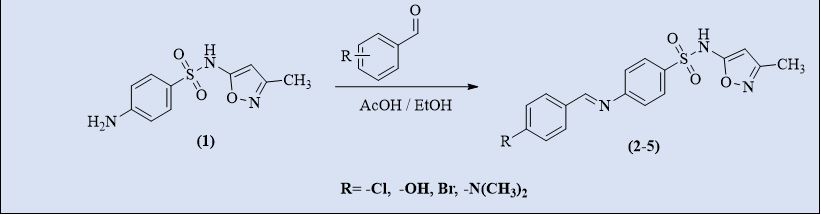
Scheme 1. The synthetic strategy of compounds 2-5. (Prepared by Authors, 2026).
Table 1. FT-IR spectral data of compounds 1-5.
.JPG)
Table 2. 1H-NMR data of some sulfamethoxazole derivatives.
.JPG)
.png)
Figure 2. 1HNMR spectrum of compound 1. (Prepared by Authors, 2026).
.png)
Figure 3. 1HNMR spectrum of compound 2. (Prepared by Authors, 2026).
3.1 Anti-bacterial study- In silico study: Molecular Docking
Molecular docking was performed for the dihydropteroate synthase protein with the pterin–sulfonamide as a co-crystallized ligand, which acts as a protein inhibitor, in order to ensure the accuracy of the docking setting. Results indicated that the orientation of the co-crystallized ligand closely resembled its actual orientation in the binding site of dihydropteroate synthase, exhibiting high stability with a docking score of -5.706, as shown in Figure 4.
.png)
Figure 4. Orientation of co-crystallized ligand. (Prepared by Authors, 2026).
Furthermore, co-crystallized ligand demonstrated favorable interactions, including hydrogen bonds with residues (ARG235, ASN115, LYS221, SER222, ASP185, and GLY217) and hydrophobic interactions with residues (ARG255, ARG63, MET139, PHE190, and LYS221). Subsequently, molecular docking studies were conducted for all synthesized 1-5 compounds. The results revealed that these compounds bind to the dihydropteroate synthase at the same location as the co-crystallized ligand, with docking scores ranging between -4.161 and -3.927. Most of the synthesized compounds (1-5) exhibited weaker docking scores comparable to the co-crystallized ligand. Furthermore, all compounds demonstrated almost different orientations at the binding site, depending on their substituted groups. The results also indicated that all ligands generally formed hydrogen bonds with amino acid residues (ARG235, ARG255, ARG63, LYS221, and HID257) and exhibited hydrophobic interactions with amino acid residues (ARG235, ARG255, ARG63, LYS221, HID257, MET139, and PRO232). Additionally, a study was conducted to explore the molecular docking of the drug gentamicin with the synthase protein, aiming to evaluate its binding affinity. The results showed that gentamicin appeared a robust binding affinity of -4.169, primarily attributed to the formation of numerous hydrogen bonds. However, it's noteworthy that these interactions basically occurred outside the binding site, as shown in Table 3 Molecular docking scores of compounds 1-5.
Table 3. Molecular Docking scores of compounds 1-5
.JPG)
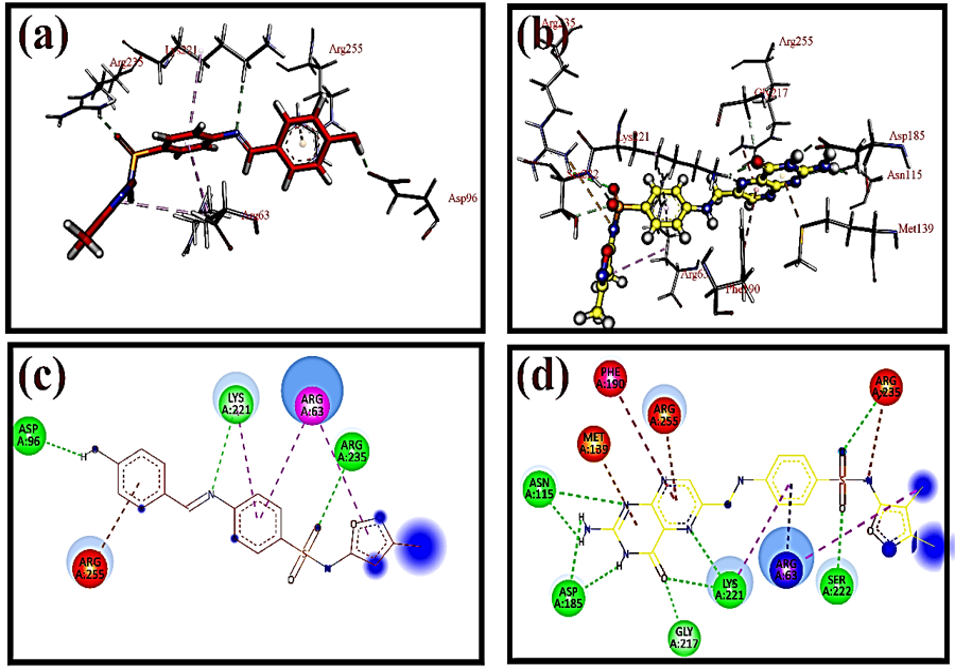
Figure 5. 2D and 3D interactions of compound 3 and co-crystalized ligand with dihydropteroate synthase. a. 3D interactions of compound 3. b. 3D interactions of co-crystalized. c. 2D interactions of compound 3. d. 2D interactions of co-crystalized. (Prepared by Authors, 2026).
Table 5. Antibacterial activity of novel sulfamethoxazole, Schiff base derivatives
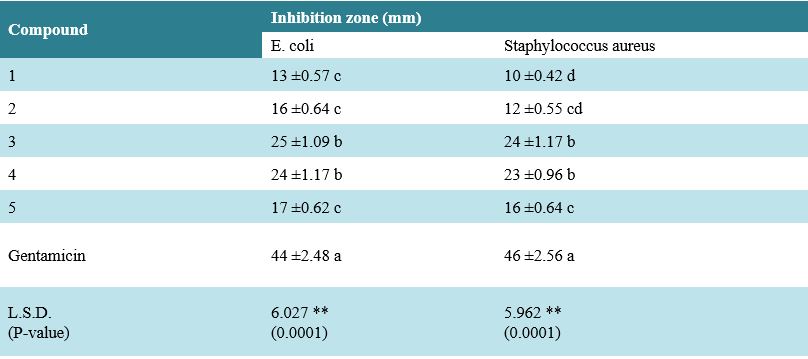 Note: Means having with the different letters in same column differed significantly. (P≤0.01).
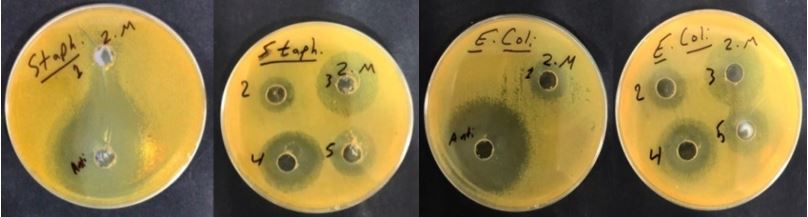
Figure 6. Antibacterial of Schiff base derivatives. (Prepared by Authors, 2026).
Background & Objective: Schiff bases are known to exhibit a wide range of biological activities, particularly antibacterial effects. Structural modification of existing antibacterial drugs, such as sulfamethoxazole, through Schiff base formation may enhance their therapeutic potential. This study aimed to synthesize novel Schiff base derivatives of sulfamethoxazole and evaluate their antibacterial activity using both in vitro and in silico approaches.
Materials & Methods: Four novel Schiff base derivatives of sulfamethoxazole were synthesized by condensation with differently substituted aromatic aldehydes (4-chloro-, 4-hydroxy-, 4-bromo-, and 4,4-dimethylbenzaldehyde). The synthesized compounds were characterized by melting point determination, Fourier-transform infrared (FT-IR) spectroscopy, and 1H-NMR spectroscopy. Their antibacterial activity was evaluated using in vitro antibacterial assays, while molecular docking studies against the bacterial enzyme dihydropteroate synthase (DHPS) were performed to investigate their binding affinity and potential mechanism of action.
Results: All synthesized Schiff base derivatives exhibited antibacterial activity against the tested bacterial strains. Among them, compounds 3 and 4 demonstrated the highest molecular docking scores and produced significantly larger antibacterial inhibition zones than the parent drug sulfamethoxazole. The findings indicate enhanced binding affinity toward dihydropteroate synthase, suggesting improved antibacterial efficacy. These results also suggest the potential of the synthesized derivatives to overcome bacterial resistance mechanisms.
Conclusion: The synthesized sulfamethoxazole-based Schiff base derivatives, particularly compounds 3 and 4, showed enhanced antibacterial activity in both in vitro and in silico evaluations. These findings highlight their potential as promising antibacterial agents and support further investigation into their development as candidates for combating antimicrobial resistance.
Keywords: Sulfamethoxazole; Schiff base; Antibacterial Agents; Molecular Docking; In Vitro Assay; Dihydropteroate Synthase; DHPS inhibitors
1. Introduction
Globally, the rise of antibiotic resistance poses a serious threat to public health. Consequently, the development of novel antibacterial agents has emerged as a critical area of research (1). One popular sulfonamide antibiotic that has been used consistently in combination chemotherapy for an assortment of bacterial diseases is sulfamethoxazole (2). Dihydropteroate synthase (DHPS), an essential enzyme responsible for the synthesis of folate in bacteria, is inhibited by this sulfonamide antibiotic. Folates are essential for bacterial growth and proliferation, as they are necessary for the synthesis of amino acids and nucleic acids (3). Nevertheless, the rising prevalence of the latter resistance emphasizes the need for novel compounds with more potent antibacterial efficacy. The chemical structure of sulfamethoxazole (C10H11N3O3S) is shown in Figure 1 (4).
Figure 1. Structure of Sulfamethoxazole
Schiff base derivatives received an excessive amount of focus in the field of medicinal chemistry due to their variegated biological activities (5) and are compounds created by the condensation of an aldehyde or ketone with a primary amine.
These derivatives possess a wide range of pharmacological properties (6), including antimicrobial (7), hypoglycemic (8), anti-inflammatory (9), anti-proliferative (10), anti-tubercular (11), antitumor (12), and anticancer (13) activities.
The incorporation of Schiff bases into the structure of sulfamethoxazole provides a promising avenue for the development of novel antibacterial agents. The presence of a Schiff base component may alter the compound's pharmacokinetics and physicochemical characteristics, increase its antibacterial effectiveness and decrease susceptibility.
The principal amine group of sulfamethoxazole can react to distinct aldehydes or ketones in order to produce Schiff base derivatives. The structural variety of the resulting compounds allows for the discovery of active antibacterial medicines and the investigation of structure-activity relationships.
By emphasizing on Schiff base derivatives of sulfamethoxazole, this study aims to address the shortcomings of existing sulfonamide antibiotics and increase the variety of antibacterial medications. Integration in vitro and in silico methods will enable a comprehensive knowledge of the structure-activity relationship and potential therapeutic applications of these compounds.
2. Materials and Methods
All chemicals and reagents used in this study were obtained from Fluka or Aldrich starting chemical compounds. The melting points were marked using a Gallenkamp melting point apparatus, and the uncorrected FT-IR spectra were recorded on a SHIMADZU FTIR-8400 Fourier transform infrared spectrophotometer as KBr discs. 1H-NMR spectra: Proton NMR was recorded on a Bruker model ultra shield 300 MHz instrument in Iran, using DMSO-d6 as a solvent and TMS (Tetramethylsilane) as an internal reference. UV-VIS spectra were recorded by a Shimadzu spectrophotometer and an Apel PD303 spectrophotometer (Japan).
2.1 Synthesis of Sulfamethoxazole derivatives
Schiff base compounds were synthesized through the reflux reaction of sulfamethoxazole with substituted aromatic aldehydes (1). (0.5 g, 0.002 moles) with various substituted aromatic aldehydes (0.002 moles) in 5 mL of absolute ethanol and 2-3 drops of glacial acetic acid. The refluxing process continued for 8 hours, maintaining a temperature range of (50-60) °C. After the reaction, the resulting precipitate was allowed to cool to room temperature, followed by filtration and recrystallization using ethanol/water (14).
2.2 In silico study of antibacterial activity
2.2.1 Ligand Preparation
Two-dimensional structures of synthesized compounds (1-5) were drawn using Chem Draw Ultra 12 software, subsequently converted to three-dimensional structures, and saved as MOL files. The energy minimization of synthesized compounds (1-5) was calculated using Avogadro 3.0 with the MMFF94s force field (15).
2.2.2 Protein Preparation
The three-dimensional arrangement of dihydropteroate synthase (PDB ID: 5jq9) (16) was collected from the Protein Data Bank (https://www.rcsb.org/) and made using the Protein Preparation wizard of the Maestro 12.5 software suite utilizing default settings.
These variables include bond order assignment, hydrogen addition, the generation of zero-order bonds for metals, the formation of disulfide bonds, and elimination of water molecules more than 5 A° from het groups, energy optimization, and limited minimization using the OPLS3e force field (17).
2.2.3 Molecular Docking
The protein grid for the docking of molecules analyses was generated with the Maestro 12.5 software suite's Glide-Grid wizard. The binding site was established by selecting one atom from the co-crystallized ligand. Other options have been included by default. Molecular docking investigations was carried out utilizing the Glide Docking wizard of the Maestro 12.5 software suite in standard precision (SP) mode. The additional parameters were set to their default values. The results were seen and assessed with BIOVIA Discovery Studio 2021 (17).
2.3 In vitro study of antibacterial activity
The agar well-diffusion method was used to establish the in vitro antibacterial activity of samples (1-5) against two bacterial strains: E. coli and Staphylococcus aureus. Gentamicin at a concentration of 40 mg/1ml served as the standard reference. A 1 mg/ml solution of dimethyl sulfoxide (DMSO) was utilized to create test samples (1-5), along with standard references. The sterilized and liquefied agar was infected with a 1 ml/100 ml suspension of the microbe and placed in a Petri dish to a depth of approximately 3 mm. The test samples and references were put in wells created in the solidified substance.
The plates were refrigerated for 1 hour at 5 °C before being incubated for 18 hours at 37 °C. The zones of bacterial growth inhibition formed by the test samples and standard references were measured in millimeters and recorded, Sulfamethoxazole tested as a control (18).
2.4 Statistical Analysis:
The Statistical Packages of Social Sciences (SPSS) program (2019) was used to detect the effect of difference factors in study parameters. Least significant difference (LSD) was used to significantly compare between means
(ANOVA/ One way) in this study (19).
3. Result
The aimed Schiff base derivatives were prepared by reaction of Sulfamethoxazole compound 1 with different aromatic aldehydes (4-chloro Benzaldehyde, 4-hydroxy benzaldehyde, 4-bromo benzaldehyde, 4, 4 -di methyl benzaldehyde) to produce Schiff bases derivatives 2-5. The synthetic strategy of compounds 2-5 is represented in Scheme 1 and the physical properties and Fourier Transform Infrared (FT-IR) spectral data of compounds 1-5 can be found in Table 1, 1H-NMR data in Table 2, Figure 2 and 3 1HNMR spectrum of compounds 1 and 2.
Scheme 1. The synthetic strategy of compounds 2-5. (Prepared by Authors, 2026).
Table 1. FT-IR spectral data of compounds 1-5.
Table 2. 1H-NMR data of some sulfamethoxazole derivatives.
Figure 2. 1HNMR spectrum of compound 1. (Prepared by Authors, 2026).
Figure 3. 1HNMR spectrum of compound 2. (Prepared by Authors, 2026).
3.1 Anti-bacterial study- In silico study: Molecular Docking
Molecular docking was performed for the dihydropteroate synthase protein with the pterin–sulfonamide as a co-crystallized ligand, which acts as a protein inhibitor, in order to ensure the accuracy of the docking setting. Results indicated that the orientation of the co-crystallized ligand closely resembled its actual orientation in the binding site of dihydropteroate synthase, exhibiting high stability with a docking score of -5.706, as shown in Figure 4.
Figure 4. Orientation of co-crystallized ligand. (Prepared by Authors, 2026).
Furthermore, co-crystallized ligand demonstrated favorable interactions, including hydrogen bonds with residues (ARG235, ASN115, LYS221, SER222, ASP185, and GLY217) and hydrophobic interactions with residues (ARG255, ARG63, MET139, PHE190, and LYS221). Subsequently, molecular docking studies were conducted for all synthesized 1-5 compounds. The results revealed that these compounds bind to the dihydropteroate synthase at the same location as the co-crystallized ligand, with docking scores ranging between -4.161 and -3.927. Most of the synthesized compounds (1-5) exhibited weaker docking scores comparable to the co-crystallized ligand. Furthermore, all compounds demonstrated almost different orientations at the binding site, depending on their substituted groups. The results also indicated that all ligands generally formed hydrogen bonds with amino acid residues (ARG235, ARG255, ARG63, LYS221, and HID257) and exhibited hydrophobic interactions with amino acid residues (ARG235, ARG255, ARG63, LYS221, HID257, MET139, and PRO232). Additionally, a study was conducted to explore the molecular docking of the drug gentamicin with the synthase protein, aiming to evaluate its binding affinity. The results showed that gentamicin appeared a robust binding affinity of -4.169, primarily attributed to the formation of numerous hydrogen bonds. However, it's noteworthy that these interactions basically occurred outside the binding site, as shown in Table 3 Molecular docking scores of compounds 1-5.
Table 3. Molecular Docking scores of compounds 1-5
Figure 5. 2D and 3D interactions of compound 3 and co-crystalized ligand with dihydropteroate synthase. a. 3D interactions of compound 3. b. 3D interactions of co-crystalized. c. 2D interactions of compound 3. d. 2D interactions of co-crystalized. (Prepared by Authors, 2026).
3.2 In vitro antibacterial study:
All synthetic compound's function in biology (1-5) was evaluated against both negative and positive bacteria, specifically Escherichia coli and Streptococcus auris, to substantiate the potential compounds property to avoid the replication of bacteria. The findings, as presented in Table 4, Table 5 and Figure 6, indicate that the compounds exhibit a noteworthy inhibitory effect, with particular emphasis on compounds 3 and 4. The administered dose emphasize was 40 micrograms, and gentamicin was Participating as the standard inhibitor for comparison.
Table 4. Antibacterial activity of novel sulfamethoxazole
.JPG)
All synthetic compound's function in biology (1-5) was evaluated against both negative and positive bacteria, specifically Escherichia coli and Streptococcus auris, to substantiate the potential compounds property to avoid the replication of bacteria. The findings, as presented in Table 4, Table 5 and Figure 6, indicate that the compounds exhibit a noteworthy inhibitory effect, with particular emphasis on compounds 3 and 4. The administered dose emphasize was 40 micrograms, and gentamicin was Participating as the standard inhibitor for comparison.
Table 4. Antibacterial activity of novel sulfamethoxazole
Table 5. Antibacterial activity of novel sulfamethoxazole, Schiff base derivatives
Note: Means having with the different letters in same column differed significantly. (P≤0.01).Figure 6. Antibacterial of Schiff base derivatives. (Prepared by Authors, 2026).
4. Discussion
The FT-IR and 1H NMR spectral data confirm the effective synthesis of the Schiff base derivatives through imine bond formation. The disappearance of (-NH2) stretching bands and the appearance of (-C=N) stretching peaks strongly support this transformation with water molecule exit. Additionally, the structures were confirmed by the existence of distinctive functional group peaks for halogenated and substituted derivatives. The mechanism involves a nucleophilic addition reaction to create Schiff base derivatives when an amine nucleophilically attacks a carbon atom in an aldehyde as an electrophile to give a carbinolamine that loses a water and acetate ion to give the required compounds (20). Synthesis of compounds w:as char:acterized by using FT-IR and 1H NMR spectra. FT-IR spectra confirm the synthesis of compounds 2-5 by the disappearance of symmetric and asymmetric stretching bands of (-NH2) group (3485, 3261) and the appearance of stretching bands at (1606–1620) cm-1 due to formation of (-C=N) bonds of imine groups. In addition, FT-IR spectra showed the appearance of some characteristic bands for the formation of derivatives (2-4), such as the C-Cl group bands of compound (2) at (1033) cm-1, the hydroxyl (- OH) stretching band of compound (3) at (3429) cm-1, the C-Br band of compound (4) at (1035) cm-1 and the -N(CH3)2 band of compound (5) at (2995) cm-1 (21), the other bands of compounds 2-5 mentioned in Table1.1H NMR spectra confirm the synthesis of compounds 1 and 2 by the appearance signals at (7.8-8.0) ppm due to C–H proton of imine groups. In addition, singlet signals at (6.1-6.2) ppm due to C-H of Isoxazole ring protons and singlet signals at (2.2-2.3) ppm due to (-CH3) protons as present in Table 2 and chart 1HNMR spectrum of compounds 1,2 in Figures (2) and (3) (21).
The synthesized sulfamethoxazole Schiff base derivatives showed differing degrees of inhibitory efficacy against both Gram-positive (Staphylococcus aureus) and Gram-negative (E. coli) bacteria in the antibacterial assessment. All novel synthesized compounds showed significant inhibitory zones, according to the data (Table 4) and statistical analysis (Table 5) demonstrating that Schiff base synthesis usually enhanced antibacterial potency in a comparison with the parent medication.
According to docking studies, all of the synthesized compounds bind to the same active site as the co‑crystallized ligand, their binding affinities were slightly weaker. Compounds 3 and 4 showed stronger binding interactions, which is consistent with their high antibacterial activity observed in vitro because of biological activity is frequently related to the chemical structure of the substance. The presence of function groups like -OH, -Br, or extra aromatic rings in drugs may increase their capacity to permeate bacterial cell walls or inhibit key enzymes. However, it should be identified that, while compounds 3 and 4 shown higher activity among the analyzed compounds, gentamicin had the strongest effect (44-46 mm) because of its outstanding effectiveness as a standard antibiotic. These chemicals can inhibit dihydropteroate synthase through methods comparable to those of commonly used sulfonamide medications, considering the consistency between docking results and biological activity. In contrast to its results of molecular docking, which indicate that bacteria are resistant to this substance. Overall, compounds 3 and 4 demonstrate promising antibacterial potential and may serve as candidates for future drug development (22).
5. Conclusion
This study aimed to develop novel antibacterial agents to combat antibiotic resistance by synthesizing and evaluating Schiff base derivatives of sulfamethoxazole. The derivatives were synthesized through condensation reactions between the amino group of sulfamethoxazole and various substituted aromatic aldehydes and were characterized by melting point determination, FT-IR spectroscopy, and 1H NMR spectroscopy. Both in vitro antibacterial assays and in silico molecular docking studies demonstrated that compounds 3 and 4 exhibited the highest antibacterial activity against both Gram-positive and Gram-negative bacteria, whereas compound 1 (a control) showed comparatively lower activity, likely due to existing bacterial resistance mechanisms. These findings identify compounds 3 and 4 as the most promising derivatives and demonstrate that Schiff base modification of sulfamethoxazole is a promising strategy for developing new antibacterial agents with enhanced activity against resistant bacterial strains.
6. Declarations
6.1 Acknowledgments
The authors acknowledge the Department of Chemistry, College of Science, Baghdad University for their encouragement.
6.2 Ethical Considerations
This study was approved by Ethics Committee of [Al-Iraqia University/College of Medicine], Approval Code: [FM.SA242].
6.3 Authors' Contributions
Zahraa M. Abdulmohsan did the study design, drawing the scheme of reaction, supervising sample reaction; conducted sampling, sample testing, measuring melting point, record the results, finally characterization, determination and spectral techniques such as FT-IR, H1NMR for all new compounds; Akram S. Karamallah and Andy N. S. Shamaya did study and design of molecular docking.
6.4 Conflict of Interest
The authors declare that there are no conflicts of interest.
6.5 Fund or Financial Support
This study did not receive any specific grant from funding agencies in the public, commercial, or not-for-profit sectors.
6.6 Using Artificial Intelligence Tools (AI Tools)
The authors declare that no artificial intelligence (AI) tools were used in the writing or analysis of this study.
The FT-IR and 1H NMR spectral data confirm the effective synthesis of the Schiff base derivatives through imine bond formation. The disappearance of (-NH2) stretching bands and the appearance of (-C=N) stretching peaks strongly support this transformation with water molecule exit. Additionally, the structures were confirmed by the existence of distinctive functional group peaks for halogenated and substituted derivatives. The mechanism involves a nucleophilic addition reaction to create Schiff base derivatives when an amine nucleophilically attacks a carbon atom in an aldehyde as an electrophile to give a carbinolamine that loses a water and acetate ion to give the required compounds (20). Synthesis of compounds w:as char:acterized by using FT-IR and 1H NMR spectra. FT-IR spectra confirm the synthesis of compounds 2-5 by the disappearance of symmetric and asymmetric stretching bands of (-NH2) group (3485, 3261) and the appearance of stretching bands at (1606–1620) cm-1 due to formation of (-C=N) bonds of imine groups. In addition, FT-IR spectra showed the appearance of some characteristic bands for the formation of derivatives (2-4), such as the C-Cl group bands of compound (2) at (1033) cm-1, the hydroxyl (- OH) stretching band of compound (3) at (3429) cm-1, the C-Br band of compound (4) at (1035) cm-1 and the -N(CH3)2 band of compound (5) at (2995) cm-1 (21), the other bands of compounds 2-5 mentioned in Table1.1H NMR spectra confirm the synthesis of compounds 1 and 2 by the appearance signals at (7.8-8.0) ppm due to C–H proton of imine groups. In addition, singlet signals at (6.1-6.2) ppm due to C-H of Isoxazole ring protons and singlet signals at (2.2-2.3) ppm due to (-CH3) protons as present in Table 2 and chart 1HNMR spectrum of compounds 1,2 in Figures (2) and (3) (21).
The synthesized sulfamethoxazole Schiff base derivatives showed differing degrees of inhibitory efficacy against both Gram-positive (Staphylococcus aureus) and Gram-negative (E. coli) bacteria in the antibacterial assessment. All novel synthesized compounds showed significant inhibitory zones, according to the data (Table 4) and statistical analysis (Table 5) demonstrating that Schiff base synthesis usually enhanced antibacterial potency in a comparison with the parent medication.
According to docking studies, all of the synthesized compounds bind to the same active site as the co‑crystallized ligand, their binding affinities were slightly weaker. Compounds 3 and 4 showed stronger binding interactions, which is consistent with their high antibacterial activity observed in vitro because of biological activity is frequently related to the chemical structure of the substance. The presence of function groups like -OH, -Br, or extra aromatic rings in drugs may increase their capacity to permeate bacterial cell walls or inhibit key enzymes. However, it should be identified that, while compounds 3 and 4 shown higher activity among the analyzed compounds, gentamicin had the strongest effect (44-46 mm) because of its outstanding effectiveness as a standard antibiotic. These chemicals can inhibit dihydropteroate synthase through methods comparable to those of commonly used sulfonamide medications, considering the consistency between docking results and biological activity. In contrast to its results of molecular docking, which indicate that bacteria are resistant to this substance. Overall, compounds 3 and 4 demonstrate promising antibacterial potential and may serve as candidates for future drug development (22).
5. Conclusion
This study aimed to develop novel antibacterial agents to combat antibiotic resistance by synthesizing and evaluating Schiff base derivatives of sulfamethoxazole. The derivatives were synthesized through condensation reactions between the amino group of sulfamethoxazole and various substituted aromatic aldehydes and were characterized by melting point determination, FT-IR spectroscopy, and 1H NMR spectroscopy. Both in vitro antibacterial assays and in silico molecular docking studies demonstrated that compounds 3 and 4 exhibited the highest antibacterial activity against both Gram-positive and Gram-negative bacteria, whereas compound 1 (a control) showed comparatively lower activity, likely due to existing bacterial resistance mechanisms. These findings identify compounds 3 and 4 as the most promising derivatives and demonstrate that Schiff base modification of sulfamethoxazole is a promising strategy for developing new antibacterial agents with enhanced activity against resistant bacterial strains.
6. Declarations
6.1 Acknowledgments
The authors acknowledge the Department of Chemistry, College of Science, Baghdad University for their encouragement.
6.2 Ethical Considerations
This study was approved by Ethics Committee of [Al-Iraqia University/College of Medicine], Approval Code: [FM.SA242].
6.3 Authors' Contributions
Zahraa M. Abdulmohsan did the study design, drawing the scheme of reaction, supervising sample reaction; conducted sampling, sample testing, measuring melting point, record the results, finally characterization, determination and spectral techniques such as FT-IR, H1NMR for all new compounds; Akram S. Karamallah and Andy N. S. Shamaya did study and design of molecular docking.
6.4 Conflict of Interest
The authors declare that there are no conflicts of interest.
6.5 Fund or Financial Support
This study did not receive any specific grant from funding agencies in the public, commercial, or not-for-profit sectors.
6.6 Using Artificial Intelligence Tools (AI Tools)
The authors declare that no artificial intelligence (AI) tools were used in the writing or analysis of this study.
Type of Study: Original Research Article |
Subject:
Life Science
Received: 2025/11/29 | Accepted: 2026/05/11 | Published: 2026/05/20
Received: 2025/11/29 | Accepted: 2026/05/11 | Published: 2026/05/20
References
1. Yoneyama H, Katsumata R. Antibiotic resistance in bacteria and its future for novel antibiotic development. Biosci Biotechnol Biochem. 2006;70(5):1060-75. [DOI:10.1271/bbb.70.1060] [PMID]
2. Zafar W, Sumrra SH, Hassan AU, Chohan ZH. A review on 'sulfonamides': their chemistry and pharmacological potentials for designing therapeutic drugs in medical science. J Coordinat Chem. 2023;76(5-6):546-80. [DOI:10.1080/00958972.2023.2208260]
3. Siqueira FdS, Siqueira JD, Machado AK, Sagrillo MR, Sokolovicz YCA, Loreto MF, et al. Synthesis of new schiff bases derived from sulfamethoxazole and aromatic aldehydes with high antibiofilm activity in rapidly growing mycobacteria samples. Future Pharmacol. 2025;5(4):72. [DOI:10.3390/futurepharmacol5040072]
4. Chamundeeswari SV, Samuel EJJ, Sundaraganesan N. Molecular structure, vibrational spectra, NMR and UV spectral analysis of sulfamethoxazole. Spectrochim Acta A Mol Biomol Spectrosc. 2014;118:1-10. [DOI:10.1016/j.saa.2013.07.063] [PMID]
5. Omidi S, Kakanejadifard A. A review on biological activities of Schiff base, hydrazone, and oxime derivatives of curcumin. RSC advances. 2020;10(50):30186-202. [DOI:10.1039/D0RA05720G] [PMID] [PMCID]
6. Koçyiğit ÜM, Gezegen H, Taslimi P. Synthesis, characterization, and biological studies of chalcone derivatives containing Schiff bases: Synthetic derivatives for the treatment of epilepsy and Alzheimer's disease. Archiv Pharmazie. 2020;353(12):2000202. [DOI:10.1002/ardp.202000202] [PMID]
7. Salihović M, Pazalja M, Halilović SŠ, Veljović E, Mahmutović-Dizdarević I, Roca S, et al. Synthesis, characterization, antimicrobial activity and DFT study of some novel Schiff bases. J Molec Struct. 2021;1241:130670. [DOI:10.1016/j.molstruc.2021.130670]
8. Afzal HR, Khan NuH, Sultana K, Mobashar A, Lareb A, Khan A, et al. Schiff bases of pioglitazone provide better antidiabetic and potent antioxidant effect in a streptozotocin-nicotinamide-induced diabetic rodent model. ACS omega. 2021;6(6):4470-9. [DOI:10.1021/acsomega.0c06064] [PMID] [PMCID]
9. Sandhu Q-U-A, Pervaiz M, Majid A, Younas U, Saeed Z, Ashraf A, et al. Schiff base metal complexes as anti-inflammatory agents. J Coordinat Chem. 2023;76(9-10):1094-118. [DOI:10.1080/00958972.2023.2226794]
10. Parvarinezhad S, Salehi M. Synthesis, characterization, anti-proliferative activity and chemistry computation of DFT theoretical methods of hydrazine-based Schiff bases derived from methyl acetoacetate and α-hydroxyacetophenone. J Molec Struct. 2021;1225:129086. [DOI:10.1016/j.molstruc.2020.129086]
11. Cordeiro R, Kachroo M. Synthesis and biological evaluation of anti-tubercular activity of Schiff bases of 2-Amino thiazoles. Bioorgan Med Chem Lett. 2020;30(24):127655 [DOI:10.1016/j.bmcl.2020.127655] [PMID]
12. Kaya S, Erkan S, Karakaş D. Computational investigation of molecular structures, spectroscopic properties and antitumor-antibacterial activities of some Schiff bases. Spectrochim Acta A Molec Biomolec Spectrosc. 2021;244:118829. [DOI:10.1016/j.saa.2020.118829] [PMID]
13. Uddin N, Rashid F, Ali S, Tirmizi SA, Ahmad I, Zaib S, et al. Synthesis, characterization, and anticancer activity of Schiff bases. J Biomolec Struct Dynam. 2020;38(11):3246-59. [DOI:10.1080/07391102.2019.1654924] [PMID]
14. Al-Khuzaie MG, Hama LHkk, Al-Majidi SM. Synthesis, in silico, and in vitro evaluation of the potential antioxidant activity of new quinazoline derivatives. Russia J Bioorgan Chem. 2024;50(4):1476-90 [DOI:10.1134/S1068162024040228]
15. Bathula S, Sankaranarayanan M, Malgija B, Kaliappan I, Bhandare RR, Shaik AB. 2-Amino thiazole derivatives as prospective aurora kinase inhibitors against breast cancer: QSAR, ADMET prediction, molecular docking, and molecular dynamic simulation studies. ACS Omega. 2023;8(46):44287-311. [DOI:10.1021/acsomega.3c07003] [PMID] [PMCID]
16. Zhao Y, Shadrick WR, Wallace MJ, Wu Y, Griffith EC, Qi J, et al. Pterin-sulfa conjugates as dihydropteroate synthase inhibitors and antibacterial agents. Bioorgan Med Chem Lett. 2016;26(16):3950-4. [DOI:10.1016/j.bmcl.2016.07.006] [PMID] [PMCID]
17. Sait KHW, Alam Q, Anfinan N, Al-Ghamdi O, Malik A, Noor R, et al. Structure-based virtual screening and molecular docking for the identification of potential novel EGFRkinase inhibitors against ovarian cancer. Bio Inform. 2019;15(4):287 [DOI:10.6026/97320630015287] [PMID] [PMCID]
18. Greenwood D. Antimicrobial chemotherapy: Oxford University Press; 2007.
19. George D, Mallery P. IBM SPSS statistics 29 step by step: A simple guide and reference: routledge; 2024. [DOI:10.4324/9781032622156]
20. Hua G, Cordes DB, Slawin AM, Woollins JD. Novel five-and six-membered rings of phosphorus-selenium heterocycles from selenation of amido-schiff bases. ACS Omega. 2020;5(20):11737-44 [DOI:10.1021/acsomega.0c01064] [PMID] [PMCID]
21. Silverstein RM, Bassler GC. Spectrometric identification of organic compounds. J Chem Educ. 1962;39(11):546 [DOI:10.1021/ed039p546]
22. DeMarsh M, Bookstaver PB, Gordon C, Lim J, Griffith N, Bookstaver NK, et al. Prediction of trimethoprim/sulfamethoxazole resistance in community-onset urinary tract infections. J Glob Antimicrob Resist. 2020;21:218-22. [DOI:10.1016/j.jgar.2019.10.023] [PMID]
Send email to the article author
| Rights and permissions | |
 |
This work is licensed under a Creative Commons Attribution-NonCommercial 4.0 International License. |
Copyright Policy
Journal of Advances in Medical and Biomedical Research by Zanjan University of Medical Sciences is licensed under CC BY-NC 4.0